
A chipped front tooth before a family event can make a small flaw feel hard to ignore. The right next step depends on what is bothering you and what is happening with the tooth beneath the surface.
Cosmetic dentist procedures can change tooth color, repair damage, adjust alignment, or replace missing teeth. Some focus mainly on appearance; others can also restore tooth structure or chewing function. Understanding what each treatment changes helps you discuss options that fit your needs.
For patients in Santa Ana and Orange County, an exam can help identify decay, gum disease, tooth wear, or bite problems that may affect cosmetic treatment. A useful starting point is to consider whether you want to change a tooth's color, repair it, move it, or replace it.
You don't need to know the procedure name before a consultation. Tell your dentist what you'd like to change and what you hope the result will look like.
Table of Contents
- 1. Porcelain Veneers
- 2. Teeth Whitening (Professional In-Office and Take-Home)
- 3. Dental Bonding
- 4. Dental Crowns (Cosmetic and Restorative)
- 5. Invisalign Clear Aligners
- 6. Dental Implants
- 7. Gum Contouring and Smile Lift
- 8. Smile Makeover: Planning Several Treatments Together
- Common Cosmetic Dentist Procedures at a Glance
- Choosing the Right Procedure for Your Next Step in Santa Ana
1. Porcelain Veneers
Your front teeth look worn and uneven in family photographs. Porcelain veneers may be worth discussing, but your dentist first needs to understand why those edges have worn down. If grinding is involved, covering the teeth without addressing the forces on them could leave the new restorations vulnerable.
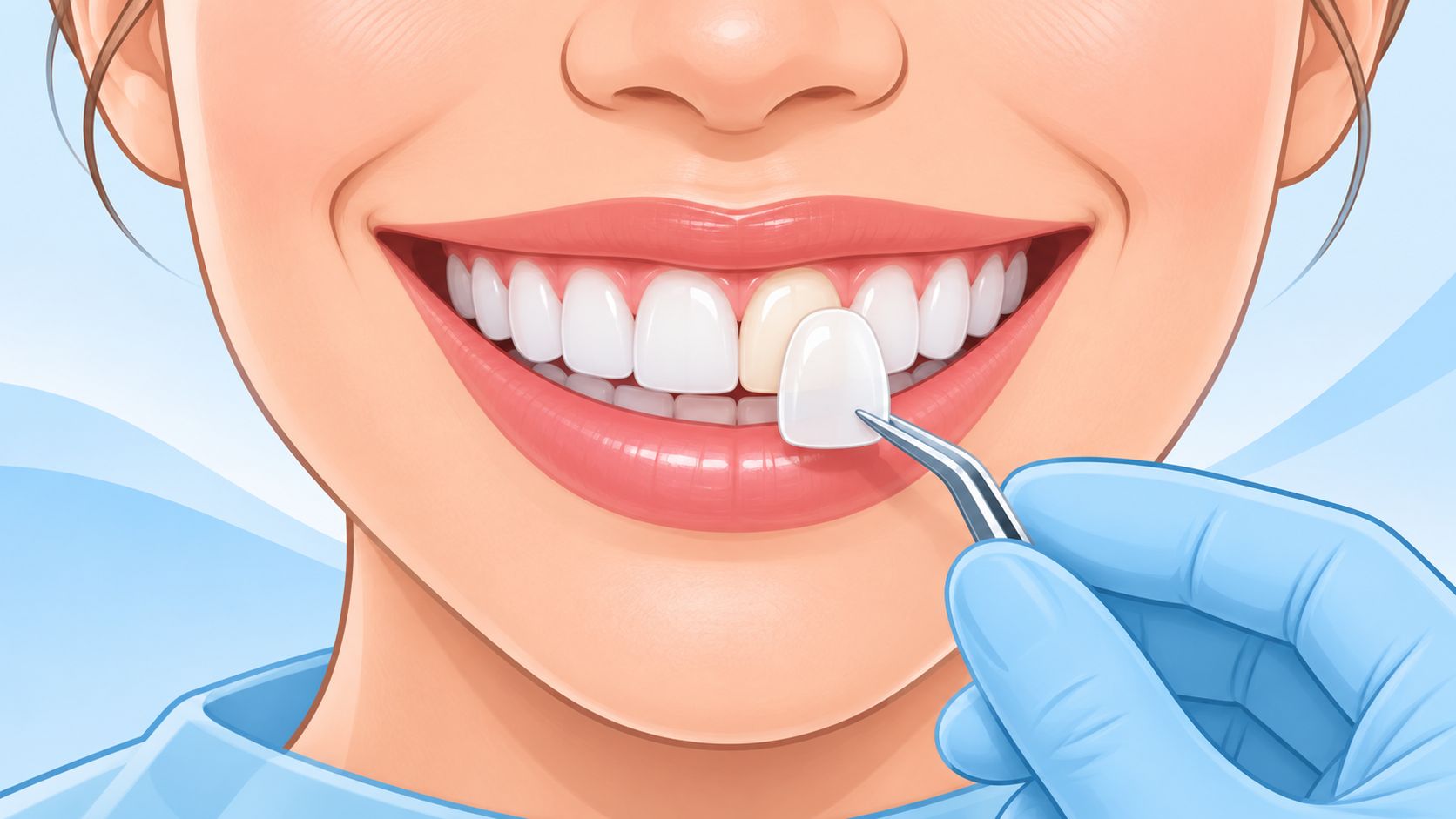
Veneers are thin, custom-made porcelain shells bonded to the fronts of teeth. A dental laboratory shapes them to change visible color, length, contours, or small spaces while matching the light-reflecting qualities of natural teeth. They may suit selected chipped, stained, or uneven front teeth, but they don't correct every alignment or bite problem.
Consider What You're Preserving
A small front-tooth gap might be addressed with veneers, bonding, or orthodontics. The right comparison includes how much healthy enamel each approach preserves, whether tooth movement would help, and what maintenance you're comfortable accepting.
The Community Dental Health scoping review identifies biological risks and ethical concerns surrounding cosmetic treatment, supporting careful diagnosis and informed consent rather than appearance-only decisions. Minimal preparation doesn't mean treatment is automatically reversible, and porcelain restorations can still need repair or replacement.
Before proceeding, discuss:
- Material choice. Compare porcelain with composite for your particular teeth and habits.
- Grinding protection. Ask whether a protective night guard belongs in your plan.
- Everyday care. Keep up with cleanings and avoid opening packages or biting hard objects with your teeth.
2. Teeth Whitening (Professional In-Office and Take-Home)
A family celebration is approaching, and your teeth look darker than you'd like. If their shape and position already suit you, professional whitening may be a more conservative starting point than covering them with restorations.
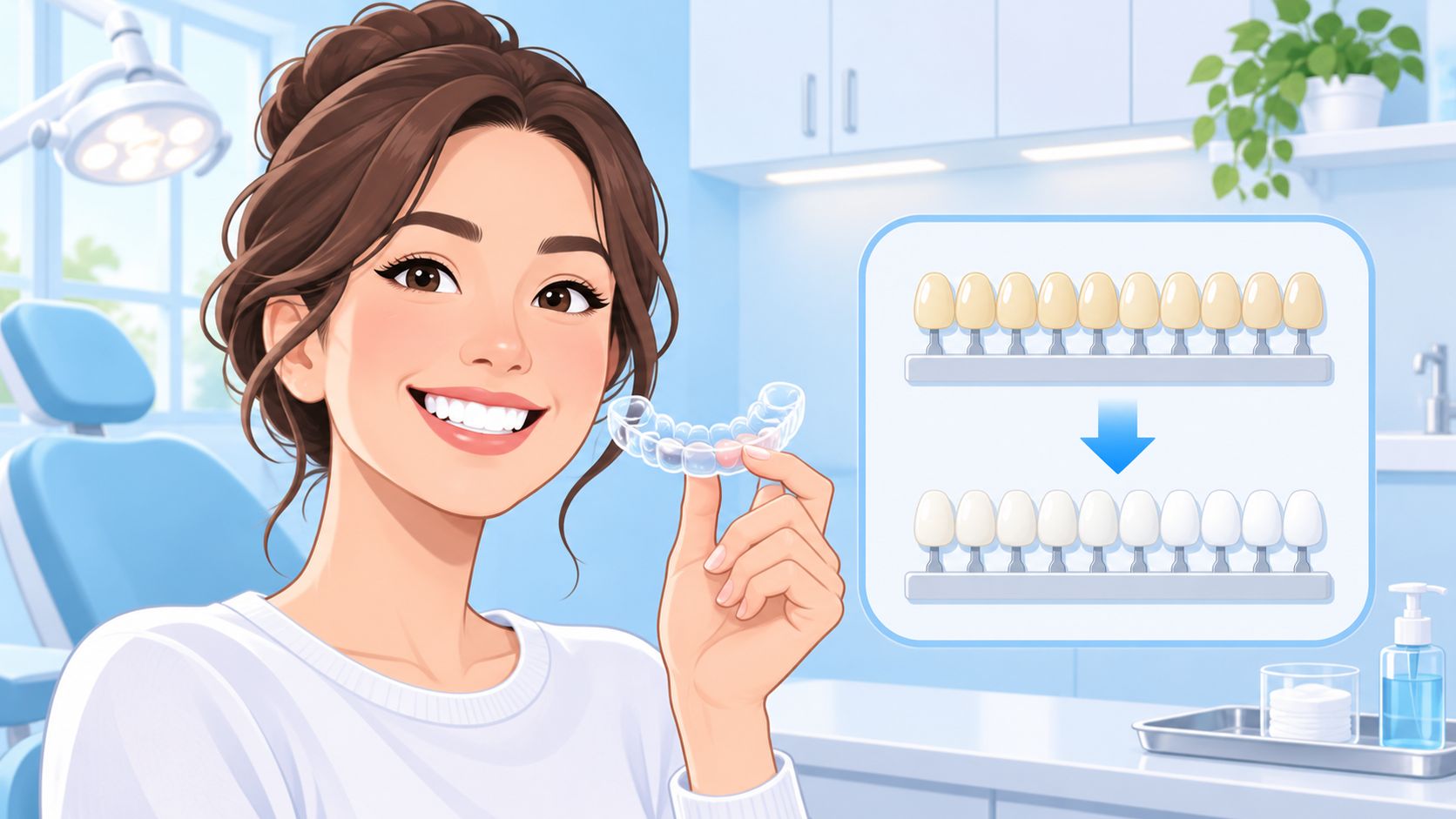
Whitening uses peroxide-based gel to lighten discoloration in natural teeth. In-office treatment allows direct professional supervision, while prescribed take-home trays let you follow a controlled application schedule at home. The appropriate method depends on the staining, existing restorations, and your history of sensitivity.
Plan Around Sensitivity and Existing Dental Work
Whitening doesn't change the color of crowns, veneers, or tooth-colored fillings. If you're considering a new front-tooth restoration, whitening may come first so the restoration can be matched to the settled shade.
An umbrella review of tooth-bleaching evidence identified tooth sensitivity as the most frequently documented adverse effect of in-office bleaching. Noninvasive treatment still deserves a discussion about risks, expectations, and what to do if discomfort develops.
Before starting, have cavities and gum concerns evaluated. Ask whether a sensitivity-reducing toothpaste would be appropriate, and follow the prescribed gel amount and wear schedule rather than adding extra applications before an event.
Practical rule: Give your dentist the event date before choosing a whitening plan. Don't try to speed up treatment by using more gel or wearing trays longer.
Results vary with the cause of discoloration, and ongoing habits can affect how much maintenance you'll need.
3. Dental Bonding
A chip on a front tooth that catches against a lower tooth with each bite can make even a small flaw hard to ignore. Bonding may restore the chipped edge by adding tooth-colored composite resin, once a dentist has checked the tooth for deeper damage.
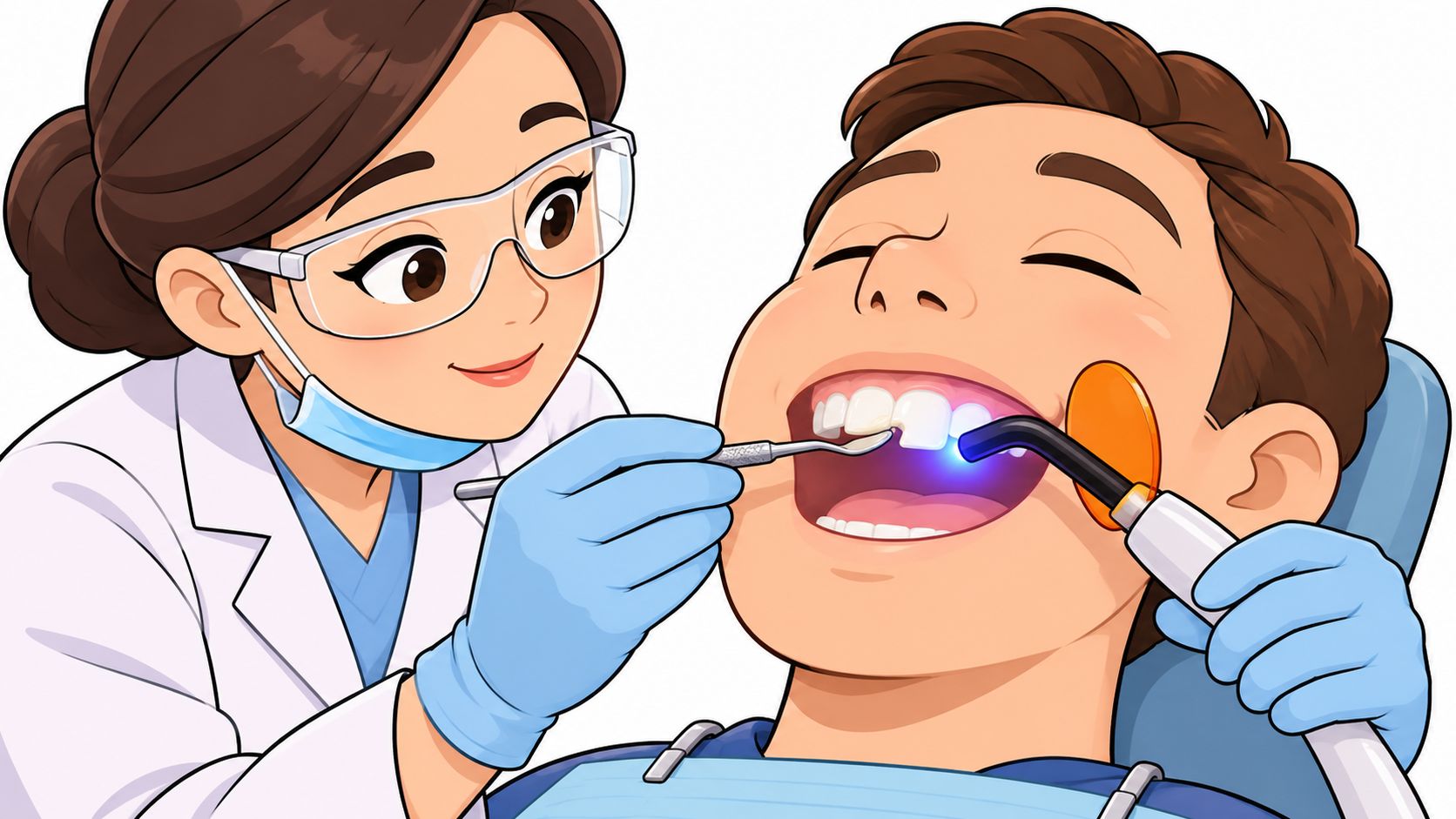
The resin is applied directly, shaped to match the tooth, hardened with a curing light, then polished. It can repair chips, cracks, and minor gaps, or reshape uneven edges. Bonding is often suited to a focused change rather than a full smile redesign.
A Small Repair Still Needs Bite Planning
If the bonded edge keeps striking the opposing tooth, that contact can put stress on the repair. Your dentist should check how your teeth meet before deciding whether bonding fits the situation.
Composite can stain, lose polish, or chip over time, so plan for touch-ups. For example, if a bonded corner chips while you're eating, it may be possible to repair that area without replacing the entire restoration.
- Protect the edge. Avoid biting pens, fingernails, ice, or packaging with bonded teeth.
- Keep the surface clean. Brush and floss carefully, and have the restoration checked during routine visits.
- Compare options. Ask whether bonding, porcelain veneers, or tooth movement better suits the size of the change and your bite.
A new chip with pain, looseness, or an injury calls for prompt assessment. A small visible flaw does not show whether the rest of the tooth is unharmed.
4. Dental Crowns (Cosmetic and Restorative)
A veneer covers the front surface of a tooth; a crown wraps around the prepared tooth. A crown may be considered when a tooth needs structural support as well as a change in appearance.
For example, a back tooth with a large filling develops a crack. The dentist checks how much healthy tooth remains, where the crack extends, and how the tooth handles chewing before recommending a restoration. A crown may rebuild the chewing surface and cover the remaining tooth.
When Appearance and Protection Overlap
Crowns may be made from ceramic, porcelain, or porcelain fused to metal. The choice depends on the tooth's location, available space, bite forces, and appearance goals.
A tooth treated with a root canal and left with a large filling may need a different assessment. The dentist checks how much sound tooth structure remains and whether the filling and surrounding tooth can withstand biting forces. Those findings help determine whether a crown is appropriate.
Once placed, a crown still needs daily care. Brush along the gumline and floss around its edge. Avoid chewing ice or very hard objects, and tell your dentist about a loose crown, new discomfort when biting, or persistent sensitivity.
5. Invisalign Clear Aligners
A teen with crowded front teeth before school photo day may want a less noticeable way to straighten them. Invisalign uses a series of custom, removable trays to guide tooth movement, with suitability depending on the patient's teeth, bite, and ability to follow the prescribed schedule.
The FDA's clear-aligner guidance describes clear aligners as prescription devices provided and monitored by a licensed dentist or orthodontist.
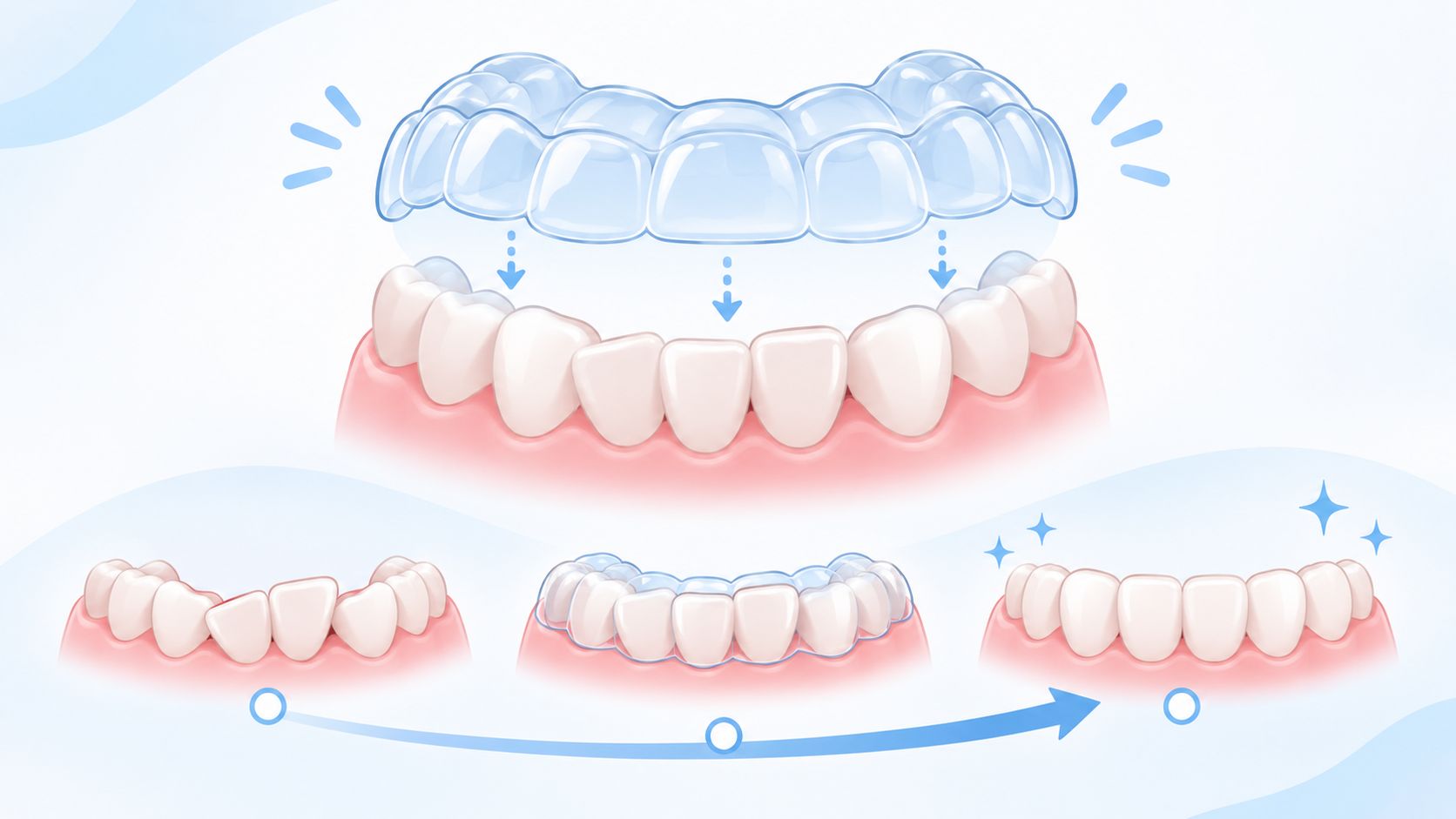
Discreet Treatment Requires Daily Follow-Through
At the first Invisalign visit, the dentist examines your teeth and bite, discusses your goals, and takes digital impressions with an intraoral scanner, so no messy molds are required. Dr. Andrew Finley personally oversees every Invisalign case at the Santa Ana office from consultation through completion, and patients see the same dentist at every visit.
Tray timing matters. The FDA's orthodontic patient guide explains that moving teeth too rapidly can damage supporting bone or contribute to tooth loss.
- Follow your prescription. Wear each tray for the full prescribed hours before switching.
- Use the case. Store aligners safely instead of wrapping them in a napkin, where they could be discarded or damaged.
- Attend monitoring visits. Check-ins let the dentist assess tooth movement, tray fit, and oral health.
Ask about retainers before treatment begins. Keeping teeth aligned after active treatment is part of the overall commitment.
6. Dental Implants
After losing a lateral incisor in a sports injury, a patient might ask whether replacing it with a bridge means reshaping the healthy teeth beside it. An implant-supported crown is one option to discuss. Whether it suits the patient depends on an examination of the jawbone, gums, overall health, and bite.
A dental implant is a post placed in the jawbone to serve as an artificial root. Once it has healed, it can support a custom crown. Implants can also support restorations for multiple missing teeth or help stabilize a denture, combining restorative function with a cosmetic result.
Healing and Maintenance Matter as Much as Appearance
At an initial implant consultation, Bristol Dental & Orthodontics evaluates jawbone density and structure through an examination and imaging. Dr. Finley reviews the findings and the patient's circumstances before discussing whether an implant-based approach fits their needs.
Dental implant guidance on osseointegration explains how bone bonding with the implant surface helps provide stable support. Medical history, bone quality, and clenching or grinding can also affect implant treatment. Tell your dentist about medications, health conditions, tobacco use, and previous healing problems.
Ask about alternatives, such as bridges or removable replacements, and whether any preparation is needed before placement. Keep the gums and bone around an implant clean and monitored. Daily brushing and cleaning around the restoration matter; your dentist can show you which flossing aids or interdental brushes fit, particularly when an implant supports a bridge rather than a single crown.
7. Gum Contouring and Smile Lift
Sometimes teeth look short because gum tissue covers more of their visible surfaces than expected. In that situation, gum contouring may change the smile without changing the teeth themselves.
Consider someone whose front gumline sits at noticeably different heights. Carefully reshaping selected areas may improve visual balance, but the dentist must first determine whether the difference comes from the gum tissue, tooth position, supporting bone, or another factor. A gummy smile doesn't automatically mean excess gum tissue is the only issue.
Find the Cause Before Removing Tissue
Gum contouring, also called gingivoplasty or sometimes a smile lift, reshapes gum tissue using instruments such as a scalpel or soft-tissue laser. Some cases require a different approach involving the supporting tissues, so the treatment plan may include a periodontal evaluation.
Healthy gums come before cosmetic reshaping. Inflamed or swollen tissue needs diagnosis and treatment rather than removal just to change its outline. The dentist also needs to consider how much tooth and root surface would be exposed and how the gumline may heal.
For a patient considering veneers, gum treatment might precede final restoration planning so tooth proportions can be assessed after healing. For someone with otherwise suitable teeth, gum contouring alone may be enough to address the concern.
- Clarify the cause. Ask whether gum shape, tooth position, or jaw relationships explain what you're seeing.
- Discuss healing. Understand expected tenderness, follow-up, and when cosmetic work could continue.
- Follow aftercare closely. Use the recommended brushing technique and food choices while the tissue heals.
Don't choose this procedure from photographs alone. Similar-looking smiles can require very different treatment.
8. Smile Makeover: Planning Several Treatments Together
Could a chipped front tooth before a family event be part of a bigger smile concern? A smile makeover brings several cosmetic and restorative choices into one treatment plan, based on tooth color, shape, position, gumline, bite, and the patient's goals.
For example, a patient with stains, slight crowding, and chipped edges might discuss tooth movement, whitening, and selective bonding. Someone with damaged teeth may need restorative care before cosmetic changes. The right order depends on each person's oral health and priorities.
Plan the Order, Not Just the Appearance
Online photos can make a finished smile seem like a product you can order. In a survey summarized by a systematic review on social media and aesthetic dentistry, 90.7% of dental practitioners reported increased demand for aesthetic dentistry associated with social-media influence. That interest alone cannot determine which treatments suit your teeth.
A practical plan addresses untreated decay or gum disease first, then considers alignment and restorative needs. Whitening may come before final shade matching. Orthodontic treatment may reduce how much tooth reshaping is needed.
Digital previews and diagnostic wax-ups show a proposed design, not a guaranteed outcome. They can help clarify the changes being discussed, while the final result depends on the treatment chosen and the patient's teeth.
- Separate needs from preferences. Clarify which concerns affect health or function and which changes are elective.
- Discuss stages. Ask what can reasonably be completed before an event without rushing healing.
- Include maintenance. Consider possible repairs, replacement restorations, retainers, and whitening touch-ups.
Common Cosmetic Dentist Procedures at a Glance
The right procedure often becomes clearer when you start with a specific concern. A chipped front tooth before a family event points to a different conversation than a missing tooth or a smile affected by several changes.
| Procedure | Patient scenario | What it may address | Typical considerations |
|---|---|---|---|
| Porcelain Veneers | Front teeth look worn or uneven in photos | Changes in the color, shape, or spacing of front teeth | The procedure involves minimal alteration of natural teeth. |
| Teeth Whitening (Professional In-Office and Take-Home) | Teeth look stained before a celebration | Stains and discoloration on natural teeth | Whitening changes tooth color without altering tooth structure. |
| Dental Bonding | A small chip shows when you smile | Chips, cracks, and minor gaps | Tooth-colored resin is shaped and polished to blend with natural teeth. |
| Dental Crowns (Cosmetic and Restorative) | A tooth is damaged and needs more than a small repair | Teeth that need restoration and protection | Crowns are among the practice's restorative dentistry options. |
| Invisalign Clear Aligners | Crowding makes a smile feel less even | Tooth alignment and bite concerns | Bristol Dental & Orthodontics creates custom treatment plans. |
| Dental Implants | A missing tooth leaves a gap | Tooth replacement | The first step is a consultation with an examination and imaging to assess jawbone density and structure. |
| Gum Contouring and Smile Lift | The gumline looks uneven in a smile | Gumline appearance | Ask whether this procedure is appropriate for your needs. |
| Smile Makeover (Full Cosmetic Planning) | Several features, such as color and shape, concern you | Multiple cosmetic goals | Dr. Finley works with each cosmetic patient to develop a plan around their goals. |
Choosing the Right Procedure for Your Next Step in Santa Ana
A chipped front tooth before a family event may call for a different conversation than a missing tooth or widespread wear. The right procedure depends on your oral health, bite, and goals. An examination helps identify the source of the concern and whether a cosmetic change is appropriate.
Describe what bothers you in everyday terms. For example, you might say a front tooth looks too short, food catches in a gap, or an old restoration no longer matches. Photos can help you explain the features you like, though they cannot guarantee an identical result.
What We Consider Together
Dr. Andrew Finley considers the shape, size, and color of your teeth, as well as your gums and bite. He works with each cosmetic patient to develop a treatment plan around their specific goals. His training in implants and cosmetic dentistry supports a blend of cosmetic and general dental care.
Bristol Dental & Orthodontics provides bonding, teeth whitening, and porcelain veneers in Santa Ana, CA. The useful question is which approach achieves the change you need while preserving healthy tooth structure.
Before deciding, make sure you understand why treatment is being considered and what it involves over time. Ask how the plan addresses appearance, damage, or function, and discuss alternatives, follow-up care, cleaning needs, possible repairs, and whether a protective appliance may be appropriate.
A toothache, a newly broken tooth, or another urgent problem should be assessed before elective cosmetic planning. Mention diagnosed sleep apnea or any appliances you already wear, too, so these can be considered as part of your care.
Cosmetic dentistry consultations are scheduled through Bristol Dental & Orthodontics. The practice is on South Bristol Street in Santa Ana. You can discuss your goals with our team without choosing a procedure in advance.
The next step is a conversation about your oral health and the change you want. Visit Bristol Dental and Orthodontics to schedule a consultation with Dr. Finley.