
Yes, it can. Smoking weed can make teeth look yellow over time, and the staining isn't just from smoke itself. It also relates to sticky residue like tar, dry mouth, and the mouth habits that often follow, such as snacking more and skipping a good rinse or brushing.
If you're standing in the bathroom looking at your smile and thinking, "Were my teeth always this shade?" you're not alone. A lot of people have this question, especially if they don't want a lecture. As a dentist, I want to be clear about that from the start. This is a health conversation, not a judgment conversation.
Many patients in Santa Ana and across Orange County, including Costa Mesa, Tustin, Irvine, and Garden Grove, notice gradual color changes without being sure why. Coffee might be part of it. Tea might be part of it. Smoking cannabis might also be part of it. The important thing is understanding what is happening in your mouth so you can decide what to do next.
This guide is written in plain language, the way I would explain it chairside to a patient. Every article is reviewed by Dr. Finley before publishing, so the goal is simple: give you a clear answer, explain the science without jargon, and show you what helps if you want a healthier, brighter smile.
Table of Contents
- Your Smile and Your Health A Guide for Santa Ana
- Why Smoking Cannabis Can Discolor Your Teeth
- Cannabis Stains vs Tobacco and Vaping
- How to Prevent or Reduce Cannabis Related Stains
- Professional Dental Treatments for a Brighter Smile
- When to See Your Santa Ana Dentist
Your Smile and Your Health A Guide for Santa Ana
A patient might notice it first in a photo. Someone smiles in natural light, then zooms in and sees the edges of the front teeth looking a little darker or more yellow than they remember. The first thought is often whitening toothpaste. The second thought is usually more personal: "Could this be from smoking weed?"
That question matters because tooth color is rarely caused by just one thing. Your enamel picks up stains from what passes through your mouth, and your gums and saliva affect how well your mouth protects itself day to day. When cannabis is part of the picture, the answer is often yes, but not in a simple, one-cause way.
Most tooth staining starts as a surface problem, but the habits around it can turn it into a broader oral health problem.
People also get confused because yellow teeth don't always mean damage, and white teeth don't always mean health. A tooth can be structurally fine and still be stained. On the other hand, someone can have discoloration along with plaque buildup, dry mouth, gum irritation, or early decay. That's why it's worth looking at the whole picture.
If you've been searching for does smoking weed make your teeth yellow, the short answer is yes, it can. The more useful answer is understanding why it happens, how it compares with tobacco or vaping, and what you can do at home before considering cosmetic help like Invisalign, cosmetic dentistry, or other smile treatments if appearance is part of your goal.
Why Smoking Cannabis Can Discolor Your Teeth
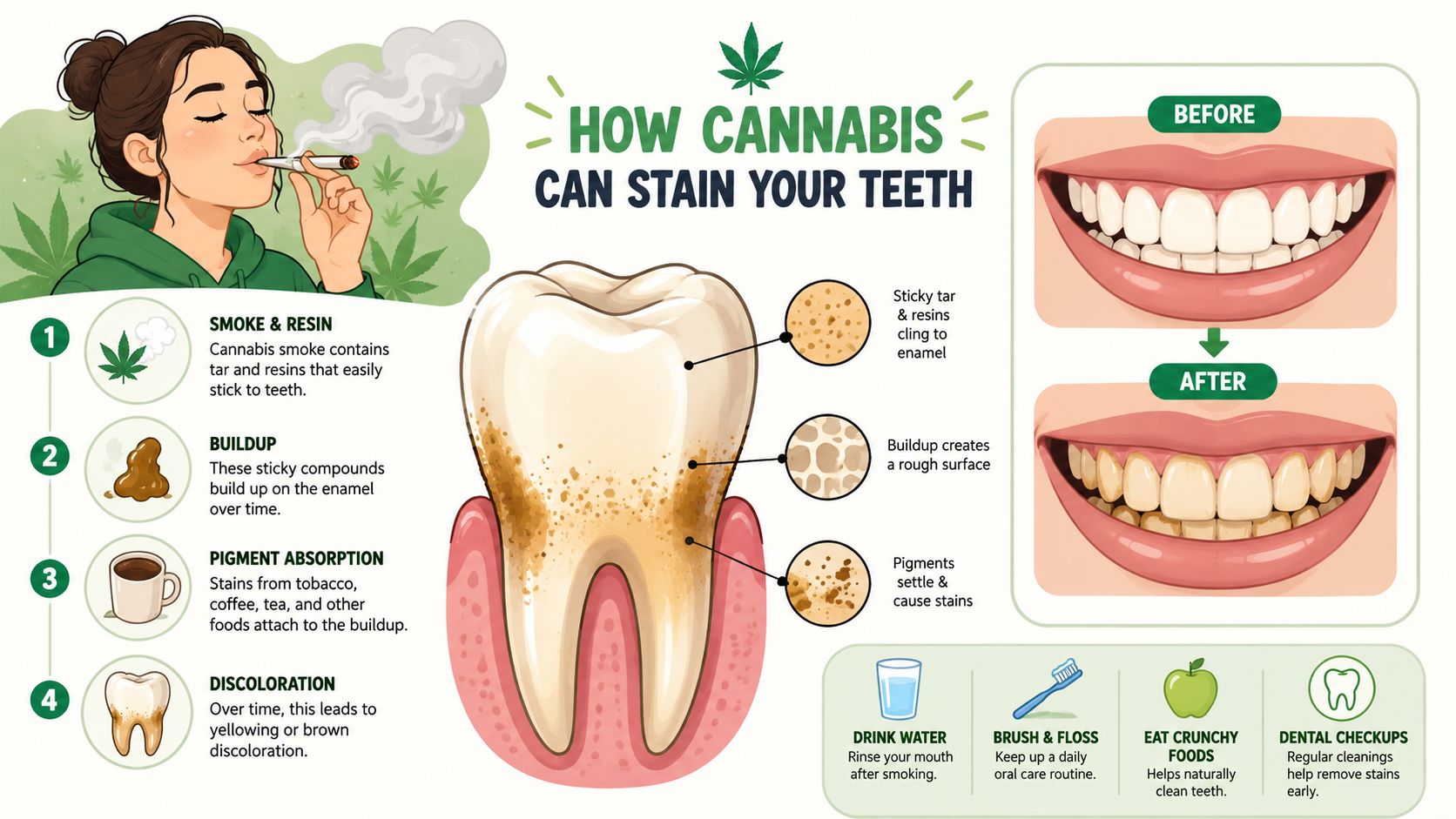
Smoke residue can stick to enamel
Tooth enamel looks hard and polished, but it can still collect a thin film over time. When cannabis is smoked, the heat and combustion create residue that can settle on the tooth surface, especially if plaque is already present.
That helps explain why some patients notice staining first near the gumline or between teeth. Those areas are harder to keep perfectly clean, so residue has more to hold onto. A freshly cleaned tooth surface is less likely to trap stain than one covered with plaque or tartar. For a helpful overview of common surface staining causes, Aspiring Smiles Dental and Braces explains tooth discoloration in clear, patient-friendly language.
Dry mouth changes how well your mouth protects itself
Here is the part many people miss.
Cannabis often causes dry mouth, and saliva is one of your mouth's built-in defense systems. It rinses away food particles, dilutes acids, and reduces how long stain-producing material stays on the teeth. When saliva drops, the mouth loses some of that daily protection.
A dry mouth also changes how your teeth look. Even before heavy staining sets in, teeth can appear dull, sticky, or less bright because plaque and film are not being cleared away as well. Patients sometimes assume the color change means the tooth itself has been permanently changed. In many cases, the early shift is happening on the surface, with dryness and buildup making the enamel look darker than it really is.
Simple rule: If your mouth feels dry or sticky after smoking, your teeth and gums are in a less protected setting.
Dry mouth also matters for more than appearance. It can increase plaque buildup, irritate the gums, worsen breath, and raise the risk of cavities. That is why I tell patients to look at yellowing as a smile issue and a health signal.
Daily habits often make the discoloration stronger
Smoking itself is only one part of the picture. The habits around it often decide how noticeable the staining becomes.
If cannabis use leads to frequent snacking, sipping soda or sports drinks, falling asleep without brushing, or skipping floss, the mouth has more residue, more sugar, and more time for plaque to sit on the teeth. That combination makes discoloration more likely and can also push gum inflammation in the wrong direction.
These habits tend to make staining worse:
- Frequent sugary or sticky snacks: They leave behind a film that bacteria and stain can cling to.
- Dark drinks after smoking: Coffee, tea, soda, and similar drinks can add more surface discoloration.
- Missing nighttime brushing: Residue stays on teeth for hours while you sleep.
- Skipping floss: Plaque and stain collect where toothbrush bristles do not reach well.
The better way to understand cannabis-related yellowing is to look at three pieces together: residue on the teeth, less saliva to wash it away, and daily habits that give buildup more time to settle.
Cannabis Stains vs Tobacco and Vaping
Not all smoking or inhaled products affect teeth in the same way. Patients often ask whether cannabis stains are "as bad as cigarettes" or whether vaping avoids the problem entirely. The honest answer is that these habits overlap, but they don't leave the exact same kind of mark.
Why the stains don't all look the same
Tobacco smoke tends to create the most familiar deep yellow or brown look people picture. Cannabis smoke can stain too, especially with repeated exposure, but the pattern may appear more gradual or mixed with plaque-related dullness. Vaping is different because there isn't the same smoke from combustion, yet teeth can still look less bright if aerosol, flavoring residue, dry mouth, or nicotine are part of the habit.
The stain itself isn't the only issue. The mouth environment matters just as much. Tobacco users often deal with persistent discoloration and gum stress. Cannabis smokers may notice more dryness and buildup. People who vape sometimes assume they're in the clear, then come in with sticky plaque, irritated gums, or a filmy coating near the front teeth.
A product doesn't have to create heavy smoke to affect your smile. If it dries the mouth or leaves residue behind, teeth can still lose their brightness.
Staining Factors by Consumption Method
| Factor | Cannabis Smoke | Tobacco Smoke | Vaping (Nicotine/Cannabis) |
|---|---|---|---|
| Tar | Present from combustion and can cling to teeth | Present from combustion and often leaves stubborn surface staining | Not the same tar from combustion |
| Nicotine | Not usually the main staining driver | Common and associated with darker, tougher discoloration | May be present and may contribute to film and dryness |
| Dry Mouth | Common concern | Can happen | Common concern, especially with nicotine |
| Staining Potential | Moderate and often tied to residue plus hygiene habits | Often more noticeable and more persistent | Usually less smoke-related staining, but not stain-free |
This table is a simplification, but it helps patients think clearly. The more often your teeth are exposed to residue, the less saliva you have to rinse it away, and the more plaque sits on the teeth, the more likely color changes become.
If you're comparing habits because you're also thinking about overall dental goals, it helps to keep the bigger picture in mind. Gum health matters for much more than color. It affects comfort, breath, and the stability of treatments such as dental implants and other restorative work.
How to Prevent or Reduce Cannabis Related Stains
Good news first. Surface staining and buildup often respond well to steady home care. You don't need a perfect routine. You need a consistent one.
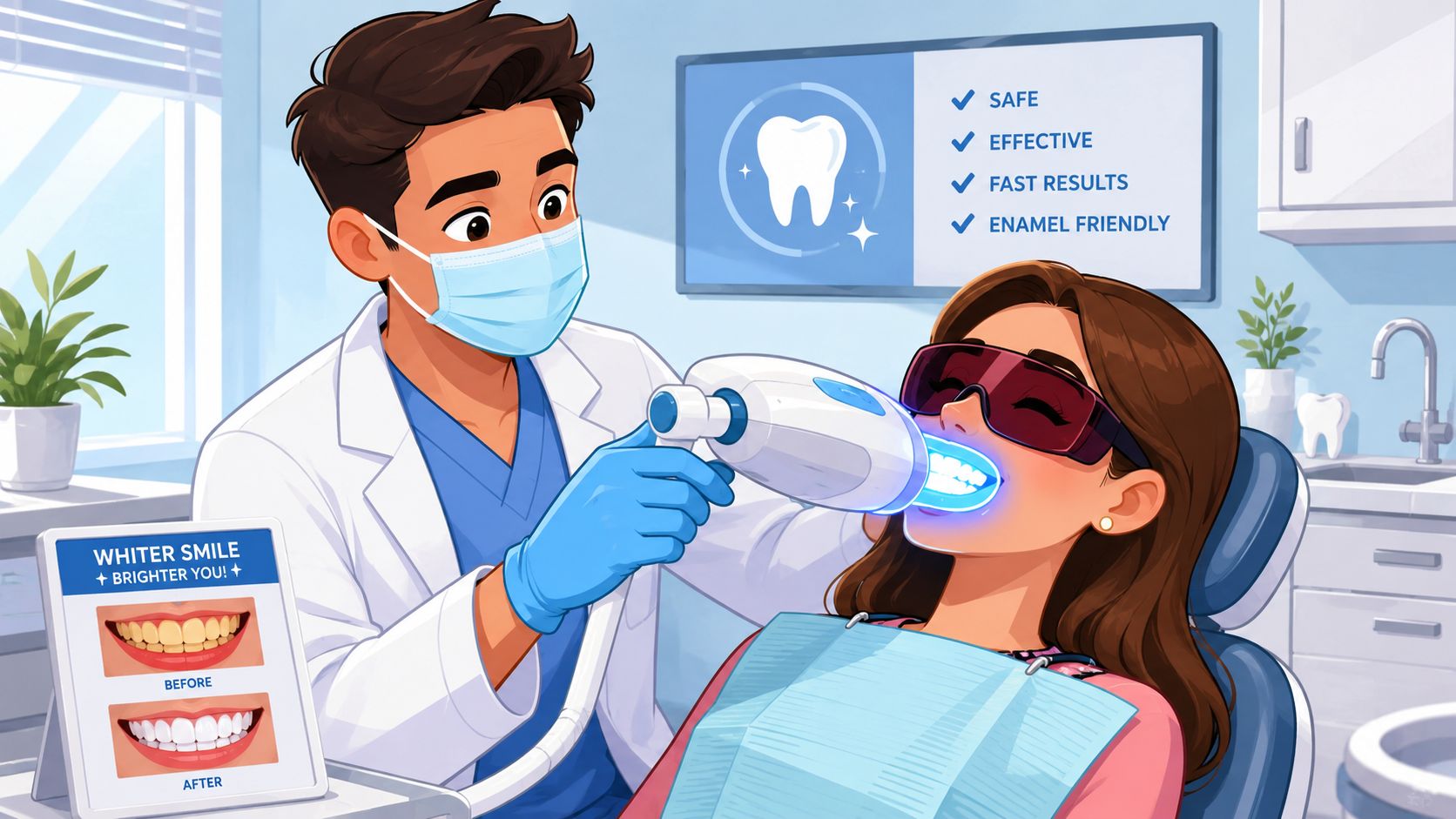
Small habits that make a real difference
I tell patients to think in terms of damage control. If something in your routine can leave residue behind, your next move should be to shorten the time it stays on your teeth.
A practical home plan looks like this:
- Rinse with water soon after smoking: A simple rinse helps clear loose residue and makes the mouth feel less sticky.
- Brush twice a day: Use a soft toothbrush and take your time, especially along the gumline where stains like to collect.
- Floss daily: This removes plaque from the narrow areas that become darker first.
- Choose sugar-free gum if your mouth feels dry: Chewing can help stimulate saliva and make your mouth feel more balanced.
- Watch the "munchies" pattern: Crunchy, lower-sugar snacks are easier on your teeth than sticky sweets.
- Use whitening products carefully: Mild whitening toothpaste may help with surface stains, but don't scrub aggressively. Hard brushing can wear enamel and irritate gums.
Patients who enjoy reading broader at-home ideas may also like these natural teeth whitening tips, but remember that "natural" doesn't always mean effective or safe for every mouth. If your teeth are sensitive or your gums are inflamed, it's better to ask a dentist before trying home remedies.
When dry mouth needs more attention
Dry mouth isn't just an annoyance. If it keeps showing up, it can change your daily comfort and your cavity risk. Keep water nearby, especially in the evening when saliva naturally feels lower for many people. If you wake up with a dry mouth often, there may be more going on than cannabis use alone.
Some patients also deal with mouth breathing or disrupted sleep. In those cases, it may be worth talking with a dentist about sleep apnea treatment and oral appliance therapy, since nighttime dryness can overlap with sleep-related issues.
If your mouth feels dry every day, don't treat that as a small side note. It's often the clue that explains several dental problems at once.
Professional Dental Treatments for a Brighter Smile
Once stains sink in beyond what home care can lift, stronger whitening strips are usually not the answer. Teeth can look yellow for several different reasons, and treatment works best when we identify which layer is causing the color change. Surface stain sits on the outside like residue on a coffee mug. Deeper discoloration is built into the tooth itself. Enamel wear can also make teeth look darker because the yellower layer underneath shows through more clearly.
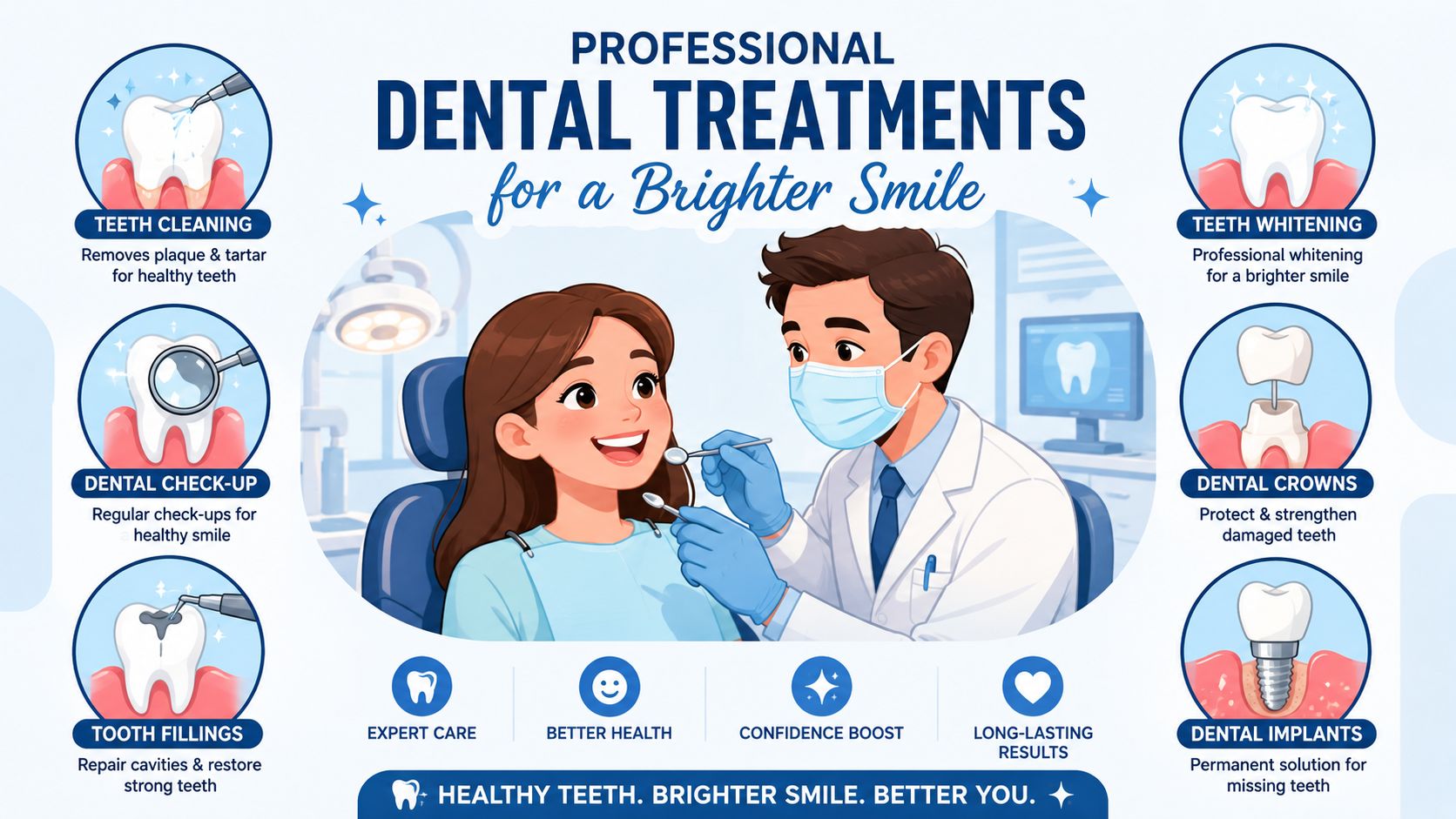
A professional exam helps sort that out before you spend time and money on the wrong fix.
Starting with the least invasive option
For many patients, a professional cleaning is the first and best step. It removes plaque, tartar, and surface stain that cling tightly to enamel, especially around the gumline and between teeth. If cannabis use has also gone along with dry mouth, those deposits can build up faster and make teeth look dull even when the tooth structure itself has not changed much.
Professional whitening may come next if the teeth and gums are healthy enough for it. This works best for outside stain and mild overall yellowing. It does not repair enamel loss, cavities, or gum problems, so a dentist will usually check those first. That is part of protecting your mouth, not delaying the cosmetic result.
Many patients feel relieved when they hear this, because yellowing is not always a sign that they did something wrong. Sometimes the issue is a combination of stain, dry mouth, and early gum irritation. Fixing those pieces first often gives a better and more comfortable result.
When whitening is not enough
Some smiles need more than a brighter shade. If the enamel is worn, the color is uneven, or the teeth have chips and shape changes, whitening can only do so much. In those cases, veneers or other cosmetic treatments may give a more even result because they change both appearance and surface coverage at the same time.
Restorative treatment may also need to come before any cosmetic work. If a tooth has decay, a crack, or a failing filling, the priority is to make it healthy and stable. If the gums are inflamed, they need attention too. Cannabis-related dry mouth can increase cavity risk, and smoking of any kind can make gum problems harder to calm down, so the foundation matters.
Here is how dentists often sort treatment options:
- Professional cleaning: Best for surface stain, tartar, and dull buildup.
- Professional whitening: Best for healthy teeth with external discoloration or mild yellowing.
- Veneers or similar cosmetic treatment: Best when color, shape, and visible wear all need correction.
- Restorative care first: Best when cavities, broken teeth, or gum disease are affecting the smile.
- Urgent evaluation: Needed if pain, swelling, or trauma is part of the picture and you may need emergency dentistry.
If your goal is a brighter, more confident smile, the best plan is usually the simplest one that gets a healthy, lasting result. In Santa Ana, that may mean starting with a cleaning and gum care, then deciding whether whitening alone is enough or whether a more advanced cosmetic option makes better sense for your smile.
When to See Your Santa Ana Dentist
Some staining can wait until your next routine visit. Some signs shouldn't. If you have yellowing that keeps coming back quickly, persistent dry mouth, gum bleeding, bad breath that won't settle down, or sensitivity when you eat or drink, it's time for a professional look.
A visit is also worth scheduling if you've tried whitening toothpaste and better brushing but your smile still looks dull. Sometimes the issue is simple surface stain. Sometimes there is tartar, gum inflammation, or enamel wear changing the way light reflects off the teeth. Those problems can look similar in the mirror, but they aren't treated the same way.
For patients in Santa Ana and nearby communities like Costa Mesa and Garden Grove, the best next step is a judgment-free conversation about your actual habits and goals. If your focus is stain removal, gum health, dry mouth relief, cosmetic improvement, or replacing damaged teeth, a dentist can help you sort out what belongs in which category. If you're exploring whitening because you want a brighter, more confident smile, make sure the foundation of the smile is healthy first.
Dr. Andrew Finley and the team are here to help patients make informed choices, not feel embarrassed about asking the question.
If you're ready to talk through tooth staining, dry mouth, gum concerns, or cosmetic options in a supportive setting, schedule a consultation with Bristol Dental and Orthodontics. Dr. Andrew Finley and the team at Bristol Dental & Orthodontics provide family and cosmetic dental care for Santa Ana and surrounding Orange County communities, and they can help you understand which options fit your specific smile and health goals.