
You wake after what seemed like a full night in bed, yet you feel as though you barely slept. By midafternoon, you're fighting to stay alert in a meeting, reaching for another coffee, or feeling unusually short-tempered with the person you love. Your partner may mention loud snoring or strange pauses in your breathing, but you might not remember anything unusual from the night before.
Those experiences can be among the symptoms of sleep apnea in adults. Sleep apnea is not just a noisy-sleep problem. Repeated interruptions in breathing can fragment sleep and leave you tired, unfocused, irritable, and unrefreshed during the day. A careful evaluation can help explain whether sleep apnea, another sleep disorder, or a separate health concern is behind the pattern.
Table of Contents
- What Sleep Apnea Actually Feels Like in Everyday Life
- How Obstructive and Central Sleep Apnea Differ
- The Most Common Adult Symptoms to Watch For
- When Symptoms Show Up Differently in Women and Quieter Cases
- Why Ongoing Symptoms Deserve Prompt Attention
- From Symptoms to a Real Diagnosis
- Taking the Next Step Toward Better Sleep
What Sleep Apnea Actually Feels Like in Everyday Life
At the dinner table, an adult may explain away years of tiredness as stress, aging, long workdays, or poor sleep. The more revealing clues may appear later: nodding off during an afternoon meeting, losing focus behind the wheel, or reacting sharply to a partner over a minor issue. The person may never describe a breathing problem because the interruptions happen while they are asleep.
In obstructive sleep apnea, the upper airway repeatedly narrows or collapses during sleep. The sleeper may wake just enough to reopen it, then return to sleep without remembering what happened. It is similar to a hallway that briefly becomes too narrow for air to pass comfortably, then opens before the person is fully aware of the disruption.
A partner, roommate, or family member may notice the pattern first. Loud snoring, gasping, choking sounds, or a pause in breathing can make the problem visible from outside the sleeper's experience. The clinical overview of obstructive sleep apnea describes these nighttime signs alongside daytime sleepiness and other clues that may point to a sleep disorder.
The daytime clues often feel more obvious
Some adults have no clear memory of restless breathing at night. Their first concern may be how the next day feels:
- Unrefreshing sleep: You spent enough time in bed, yet waking feels more like restarting than recovering.
- Morning headaches: Head pain or pressure is present after waking and may fade as the day goes on.
- Mood changes: Irritability, low patience, or unusual emotional shifts begin affecting home or work.
These signs do not establish sleep apnea by themselves. Stress, insomnia, medication effects, depression, nasal congestion, and other health concerns can create a similar pattern. The concern becomes stronger when several clues appear together, especially when another person has observed disrupted breathing.
A practical rule is simple: regular unrefreshing sleep plus reported snoring, gasping, or breathing pauses deserves attention rather than dismissal as ordinary tiredness. Quiet cases deserve attention too. Some adults do not snore loudly, and fatigue, headaches, or mood changes may be the only clues they notice.
Adult obstructive sleep apnea is commonly assessed through the apnea-hypopnea index, or AHI, which counts breathing events during sleep. OSA may be confirmed at 5 or more events per hour when symptoms are present, or at 15 or more events per hour even without symptoms. You do not need to remember waking up choking to ask about an evaluation. A local Santa Ana dental team can help recognize warning patterns and guide you toward appropriate screening.
The full nighttime and daytime symptom patterns are detailed in the next sections.
How Obstructive and Central Sleep Apnea Differ
Obstructive and central sleep apnea interrupt breathing for different reasons. Obstructive sleep apnea occurs when the upper airway narrows or closes even though the body continues trying to breathe. Central sleep apnea occurs when the brain temporarily reduces or stops the signal that tells the breathing muscles to work.
The distinction matters because the sounds and clues can differ. Obstructive events often create noticeable snoring, gasping, or choking. Central events may be quieter, so fatigue, repeated awakenings, or an unexplained sense of irregular breathing may draw attention first. Loud snoring is not required for sleep apnea to deserve evaluation.
Obstructive sleep apnea
During sleep, relaxed tissues in the throat can restrict airflow. The chest may continue moving as the body tries to draw in air, while little or no air reaches the lungs until the airway opens again. The effort can produce a pattern that a bed partner notices:
- Persistent or unusually loud snoring
- Breathing pauses witnessed by another person
- Gasping or choking sounds
- Restless or fragmented sleep
- Dry mouth or throat discomfort after waking
- Daytime fatigue or difficulty concentrating
A person may not remember each interruption. The brain can briefly shift toward wakefulness to reopen the airway without creating a fully remembered awakening. The National Center for Biotechnology Information clinical summary describes OSA as recurring upper-airway collapse that can fragment sleep and affect concentration, short-term memory, mood, and reaction time.
Central sleep apnea
CSA follows a different process. The airway may remain open, but the brain temporarily fails to send the usual breathing signal. Airflow and breathing effort can pause together. Because the throat is not necessarily closing, a partner may hear fewer dramatic snoring or choking sounds.
The person sleeping may notice repeated awakenings, trouble staying asleep, or sleep that does not feel restorative. They may not recognize these experiences as breathing-related. Medical history helps a clinician assess the possibility of CSA, so symptoms alone cannot establish this type.
Some adults have both obstructive and central events. That combination is another reason sound, a questionnaire, or a partner's observations cannot identify the type with confidence. Sleep testing measures airflow, breathing effort, oxygen changes, and other sleep-related patterns to clarify what is happening.
Obstructive vs. Central Sleep Apnea at a Glance
| Feature | Obstructive OSA | Central CSA |
|---|---|---|
| Main problem | The upper airway narrows or closes | The signal to breathe temporarily decreases |
| Breathing effort | The chest may continue trying to breathe | Breathing effort and airflow may pause together |
| Nighttime clues | Snoring, gasping, choking, or witnessed pauses | Quieter pauses and repeated awakenings |
| Daytime experience | Fatigue and difficulty concentrating | Fatigue, disrupted sleep, or vague sleep complaints |
| Confirmation | Sleep testing and clinical evaluation | Sleep testing and clinical evaluation |
Do not try to identify the type by sound alone. A sleep physician or qualified healthcare professional can choose appropriate testing. A local Santa Ana dental team can also recognize warning patterns during an oral health visit and guide you toward appropriate screening.
The Most Common Adult Symptoms to Watch For
Sleep apnea symptoms often appear as a pattern rather than one unmistakable event. A partner may report that you snore loudly, stop breathing, and then gasp. You may notice only that your mouth is dry when you wake, your head hurts in the morning, and your energy disappears before the day is over.
A useful place to start is to separate nighttime observations from daytime experiences.
Nighttime signs someone else may notice
Loud, persistent snoring is one of the better-known clues, but occasional snoring doesn't establish a diagnosis. The concern is greater when snoring is habitual, unusually loud, or interrupted by silence followed by a gasp.
Witnessed breathing pauses deserve attention even when they last only briefly. People often assume that a sleeper would wake up if breathing stopped, but many breathing-related arousals aren't remembered.
Gasping or choking arousals can sound alarming to someone sharing the room. The sleeper may describe these events as a sudden jolt, a feeling of air hunger, or a startled awakening.
Restless, fragmented sleep can show up as frequent movement, repeated position changes, or waking without knowing why. The American Academy of Family Physicians review identifies excessive daytime fatigue, waking unrested, persistent snoring, and nighttime gasping or choking among common presenting concerns.
You may also wake with a dry mouth or sore throat, especially if you breathe through your mouth. These signs aren't specific to sleep apnea, but they add useful context when they occur with snoring or observed pauses.
Daytime symptoms that are easy to normalize
Fatigue can feel different from simple sleepiness. You may have enough motivation to start the day but struggle to sustain attention, finish routine tasks, or remain alert during quiet activities.
Morning headaches can be another clue, particularly when they occur repeatedly alongside nonrestorative sleep. Headaches have many possible causes, so recurring pain deserves discussion rather than self-diagnosis.
Brain fog and poor concentration may affect work, school, or household responsibilities. You might forget why you entered a room, miss details in conversation, or need more time to make ordinary decisions.
Irritability and mood changes can strain relationships. A person who is repeatedly awakened by breathing events may have less patience and less emotional reserve, even if they don't realize sleep disruption is involved.
An irresistible urge to nap is especially important when it happens during passive activities or at times when you need to stay alert. Trouble staying awake behind the wheel requires immediate attention and a safer transportation plan.
The British Columbia adult sleep apnea guideline also lists fatigue, habitual loud snoring, choking or gasping, morning headache, nighttime awakenings, unrefreshing sleep, and impaired concentration as practical symptoms clinicians consider.
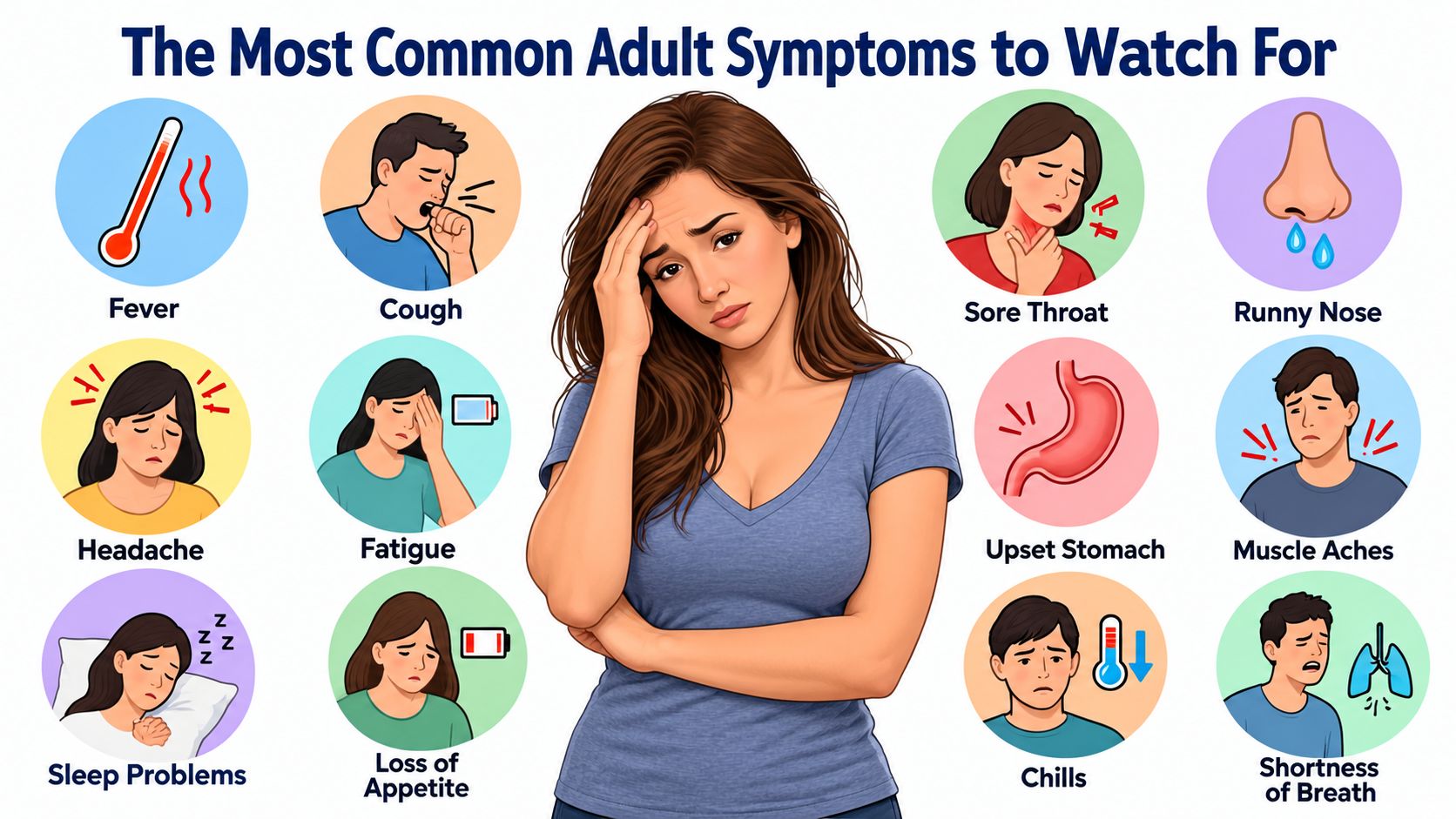
Some adults report waking suddenly with a racing heartbeat, sweating at night, or changes in sexual interest. Those experiences can have many explanations, so they shouldn't be treated as standalone signs of OSA. The more useful question is whether they appear alongside disrupted breathing, repeated awakenings, daytime sleepiness, or unrefreshing sleep.
Snoring isn't required. A cluster of symptoms matters more than any single complaint, and testing is the only way to determine whether sleep apnea is present.
When Symptoms Show Up Differently in Women and Quieter Cases
The familiar picture of sleep apnea is an older man who snores loudly and keeps a partner awake. That picture is incomplete. Women may be more likely to describe insomnia, fatigue, frequent awakenings, morning headaches, dry mouth, anxiety, or depression rather than leading with loud snoring.
The NIH information on obstructive sleep apnea in women explains that these less-specific symptoms can overlap with menopause, mood concerns, and general sleep disruption. That overlap can make it harder to recognize a breathing-related sleep disorder, especially when nobody has watched the person sleep.
A closer comparison
| Patient Profile | Dominant Nighttime Signs | Dominant Daytime Signs | Common Misattributions |
|---|---|---|---|
| Women, including peri- and post-menopausal adults | Frequent awakenings, restless sleep, possible snoring or dry mouth | Fatigue, insomnia-like complaints, headaches, mood changes | Menopause, anxiety, depression, general stress |
| Adults without loud snoring | Subtle pauses, restless sleep, or no obvious sound | Unrefreshing sleep, brain fog, headaches | Poor sleep habits, workload, aging |
| Older adults | Interrupted sleep that may not be remembered | Fatigue, concentration changes, mood shifts | Aging, medication effects, retirement-related schedule changes |
| Adults with more noticeable OSA | Loud snoring, gasping, choking, witnessed pauses | Sleepiness, poor attention, morning headache | “Just a heavy sleeper” or ordinary snoring |
A person can have meaningful breathing-related sleep disruption without fitting the stereotypical profile. In a 2026 real-world analysis, 17.2% of patients did not report fatigue, daytime sleepiness, or loud snoring at diagnosis, and the median time from first symptom to diagnosis was 6.9 months. Those findings are reported in the 2026 analysis of real-world sleep apnea diagnosis patterns.
That delay can happen when symptoms are vague. Someone may have morning headaches but no snoring. Another person may feel anxious and wake often, assuming the problem is emotional. A partner may notice a brief breathing pause but decide it's harmless because the sleeper doesn't gasp loudly afterward.
The absence of loud snoring doesn't rule out sleep apnea. It only means you need to pay closer attention to the full symptom pattern.
Adults with lower body weight or milder disease can also have quieter presentations. Symptoms may be limited to unrefreshing sleep, poor concentration, or occasional observed pauses. If symptoms persist, a primary care clinician or sleep professional can help decide whether evaluation is appropriate.
Why Ongoing Symptoms Deserve Prompt Attention
A night of poor sleep can happen to anyone. Repeated symptoms deserve more attention because they may show that breathing is being interrupted again and again, even when the person does not remember waking.
During an obstructive event, airflow narrows or stops briefly. The brain may respond with a small arousal that restores breathing, then the cycle repeats. Sleep becomes fragmented, like a phone that keeps restarting instead of completing one uninterrupted task. Over time, this pattern can affect alertness, concentration, memory, mood, and reaction time. The National Center for Biotechnology Information discussion of OSA describes the connection between repeated respiratory events and impaired daytime function.
The practical effects are easy to miss
The important clue is often a pattern rather than one dramatic symptom. You may wake with a dry mouth or headache, feel unrefreshed despite enough time in bed, and notice that ordinary tasks require more effort. These changes can be easy to blame on a busy schedule, stress, or getting older.
At home, a partner may lose sleep because of snoring or become concerned after noticing pauses in breathing. That concern can be useful information, not an accusation. A quieter sleeper may have no loud snoring at all, while fatigue, headaches, or mood changes are the only visible clues.
Persistent low mood, anxiety, hopelessness, or difficulty functioning also deserves proper medical attention. Sleep apnea can overlap with mental health conditions, so a healthcare professional may need to assess one condition, the other, or both. Feeling unsafe or unable to cope calls for prompt help from an appropriate professional, rather than waiting for a dental screening alone.
Discuss the wider health picture
Ongoing symptoms are a reason to speak with a physician about cardiovascular and metabolic health. Repeated breathing interruptions, oxygen changes, and arousals place stress on the body, so a broader evaluation may include blood pressure, heart disease, irregular heart rhythms, stroke risk, diabetes, and weight changes.
These possibilities do not mean that every person with fatigue or snoring has a serious complication. They do mean that persistent symptoms should not be explained away indefinitely.
If you notice several daytime or nighttime clues on most weekdays for two weeks, keep a seven-day log. Record bedtime, wake time, observed snoring or pauses, morning headaches, and your daytime sleepiness rating. Bring it to a primary care visit, sleep consultation, or local Santa Ana dental team that screens for sleep-related breathing concerns.
Early attention can make treatment discussions clearer. Depending on the diagnosis, severity, anatomy, symptoms, and medical history, care may involve physician-managed therapy, positive airway pressure, lifestyle support, or an oral appliance. Symptoms alone cannot determine the right treatment.
From Symptoms to a Real Diagnosis
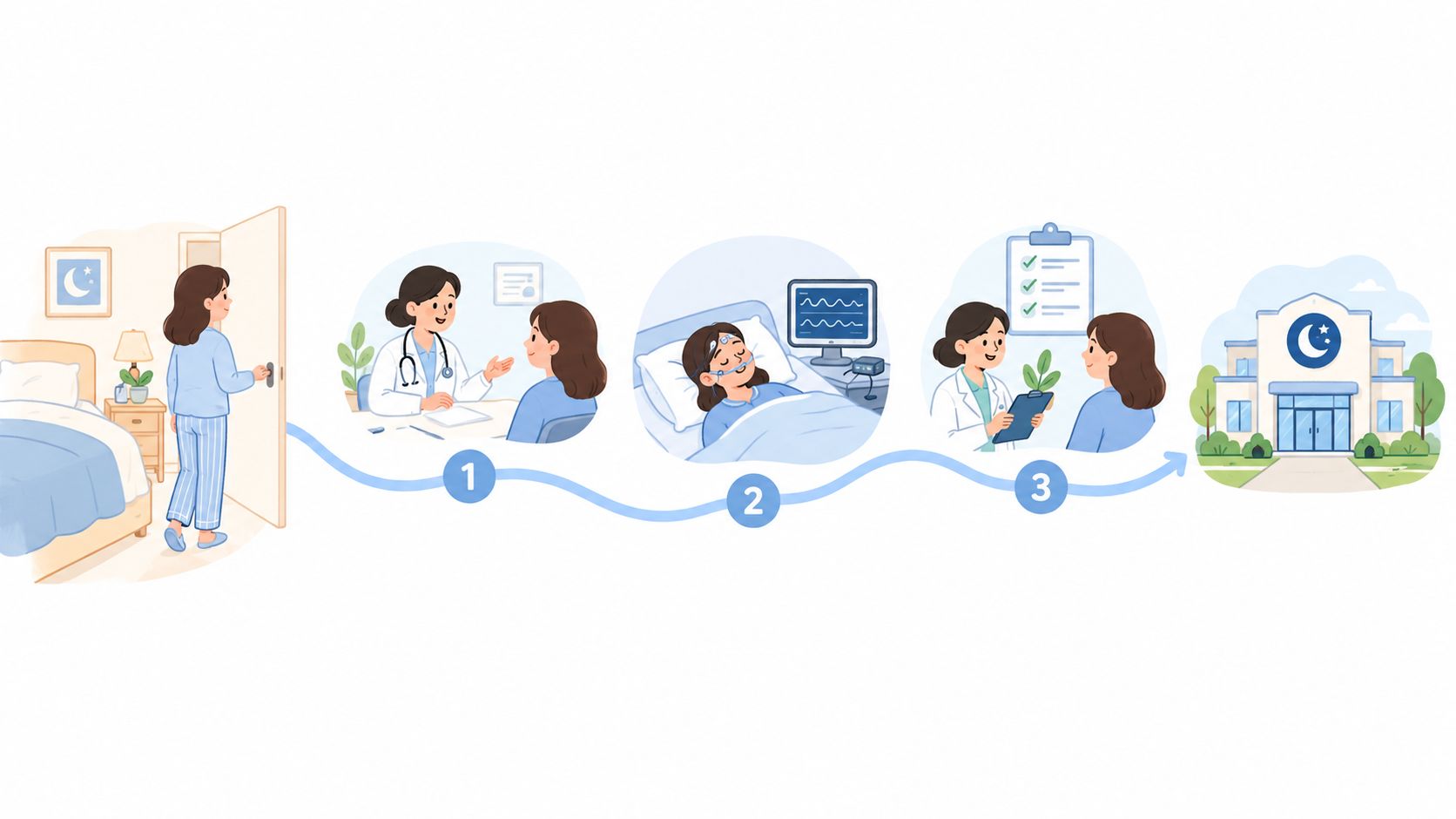
A diagnosis usually begins with an ordinary conversation, not a dramatic nighttime event. You can start by writing down what you notice, asking a sleep partner what they observe, and bringing those details to a qualified healthcare professional.
Start with the pattern
Record when you wake unrefreshed, whether headaches occur in the morning, and how often you feel sleepy during the day. Ask your partner or family member whether they've noticed snoring, pauses, gasping, choking, or restless sleep.
Bring a list of current medications and relevant medical conditions. Mention insomnia, mood changes, nasal obstruction, heart concerns, or any history that may affect sleep. A symptom diary can't diagnose sleep apnea, but it gives the clinician a more complete starting point.
A questionnaire may help identify risk, but it doesn't replace an evaluation. Symptoms overlap across sleep disorders and other health conditions, so the next step may be a referral to a sleep specialist or a sleep study.
Understand the testing options
A home sleep apnea test can be convenient for some adults with a straightforward concern for obstructive sleep apnea. It may collect information such as airflow, breathing effort, oxygen levels, and pulse while you sleep in your own bed.
An attended sleep study in a laboratory, also called polysomnography, captures more detailed information under professional supervision. It can help clinicians evaluate sleep stages and distinguish among different breathing and sleep patterns when the situation is more complex or when a home test doesn't answer the question.
The right test depends on your symptoms, medical history, and the clinician's judgment. A normal or incomplete home test may not explain persistent symptoms, so follow-up remains important.
See how dental screening fits
A dental practice trained in dental sleep medicine can screen for factors that may contribute to airway restriction. The evaluation may include the jaw position, palate, tongue, tonsils, bite, and other oral or facial features. A dentist may also coordinate testing with a physician and discuss whether oral appliance therapy is appropriate after diagnosis.
For adults with OSA, a custom mandibular advancement device can help hold the lower jaw and related tissues in a position intended to support airway openness during sleep. It isn't appropriate for every patient, and it shouldn't be used as a substitute for diagnosis.

A diagnostic report commonly includes the type of breathing events recorded, the frequency of those events, oxygen-related findings, sleep information, and clinical recommendations. Ask the clinician to explain any unfamiliar terms, including the AHI, because the number is interpreted alongside symptoms and medical history.
Taking the Next Step Toward Better Sleep
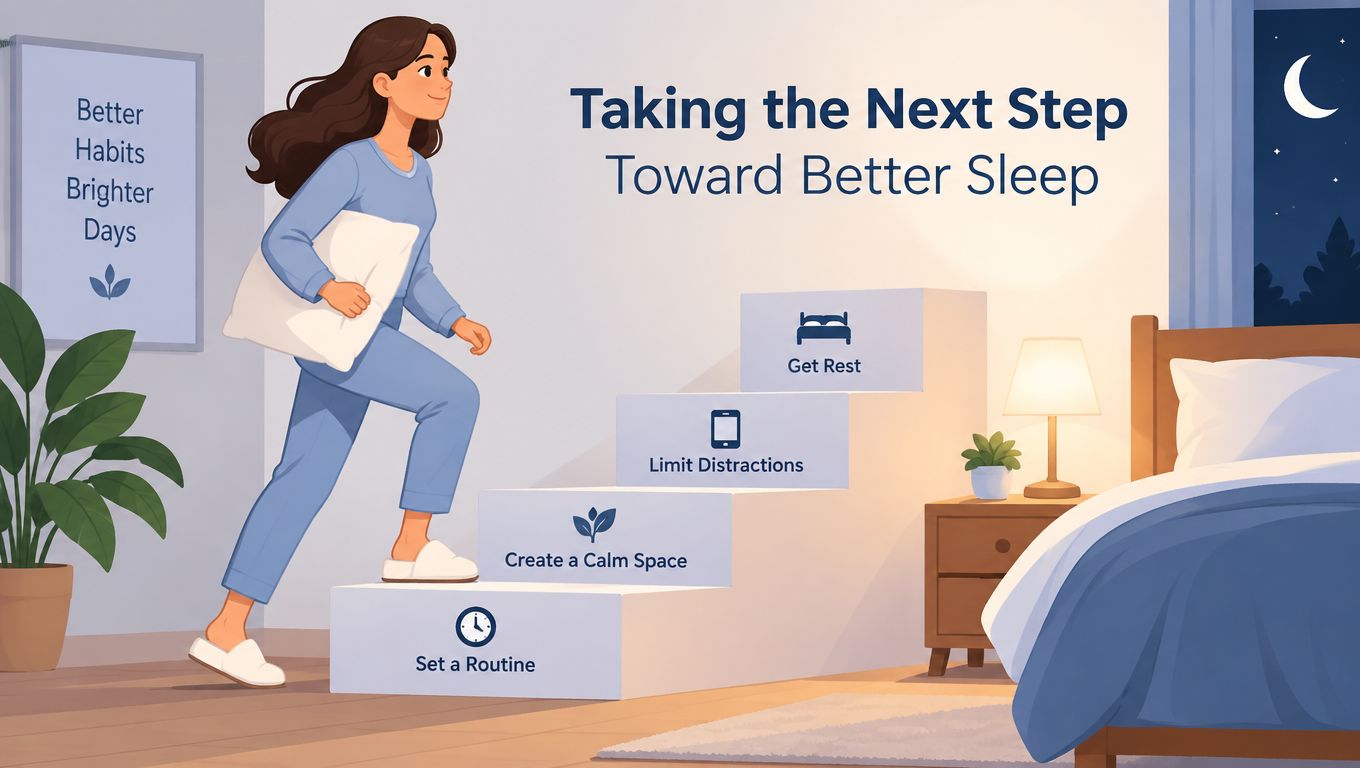
A calm plan can begin this week. Notice whether you wake with a headache or dry mouth, whether you feel rested, and whether you're unusually sleepy during quiet activities. Ask someone who has seen you sleep whether they've noticed snoring, choking, gasping, or pauses in breathing.
Write down the pattern instead of trying to diagnose yourself. Include your usual sleep schedule, nighttime awakenings, daytime fatigue, mood or concentration changes, medications, and any relevant medical history. If you're struggling to stay awake while driving, don't drive until you can do so safely.
The next step may be a primary care appointment, a sleep specialist referral, a home sleep apnea test, or an attended study. A dental screening can be useful as part of coordinated care, particularly when an adult has symptoms of OSA and may be a candidate for oral appliance therapy.
Treatment should match the diagnosis
Oral appliance therapy is a recognized option for some adults with obstructive sleep apnea. The joint clinical practice guidance on oral appliance therapy recommends a custom, titratable device provided by a qualified dentist, with dental follow-up and sleep testing used to confirm whether treatment is effective.
That process matters. A device should be selected after evaluation, adjusted carefully, and monitored for comfort, bite changes, jaw symptoms, and breathing control. A dental team should also coordinate with the physician managing the sleep diagnosis, particularly when symptoms are significant or the medical picture is complex.
Bristol Dental & Orthodontics in Santa Ana can discuss sleep-related concerns, screen for oral and jaw factors, and explain whether an oral appliance consultation may fit into a coordinated care plan. The practice serves patients in Santa Ana and nearby Orange County communities, including Costa Mesa, Tustin, Irvine, and Garden Grove.
Better sleep doesn't require guessing or waiting until symptoms become overwhelming. Start with a conversation, bring the observations you already have, and let the appropriate healthcare professionals guide the next step.
If you're noticing persistent fatigue, morning headaches, unrefreshing sleep, snoring, or witnessed breathing pauses, visit Bristol Dental and Orthodontics to schedule a consultation in Santa Ana. The team can discuss sleep apnea screening and oral appliance therapy while coordinating with your medical providers when needed.