

You're between errands in Santa Ana, looking at your phone and searching for teeth whitening near me. Maybe a wedding, job interview, family photo, or an ordinary Monday has you wishing your smile looked brighter. The search results offer plenty of choices, but the important question isn't only how quickly teeth can look lighter. It's whether the method fits your dental health, comfort level, and long-term plans.
Teeth whitening can be a straightforward cosmetic treatment, but it isn't identical for everyone. Existing fillings, crowns, gum recession, tooth sensitivity, untreated decay, and the type of discoloration can all affect the right approach. This guide explains the differences between professional in-office care, dentist-supervised take-home trays, and over-the-counter products, so Santa Ana and Orange County patients can make a calm, informed choice.
Table of Contents
- Why Santa Ana Patients Search for Teeth Whitening Near Me
- Comparing In-Office, Take-Home, and Over-the-Counter Whitening
- What to Expect During a Professional Whitening Visit
- Safety, Sensitivity, and Enamel Health Considerations
- How to Choose a Local Santa Ana Whitening Provider
- Realistic Before-and-After Expectations and Maintenance
- Next Steps and Common Patient Questions
Why Santa Ana Patients Search for Teeth Whitening Near Me
A patient might search from a desk near South Bristol Street after noticing darker teeth in a video call. Another might be getting ready for a celebration in Costa Mesa, Tustin, Irvine, or Garden Grove and want to feel more comfortable smiling. Often, the motivation is personal rather than dramatic. People want their smile to look refreshed without dealing with confusing instructions, unnecessary discomfort, or a treatment that doesn't suit their teeth.
That's why a local consultation can be more useful than choosing a product from an advertisement. A dental professional can first look for concerns that may change the plan, such as cavities, irritated gums, exposed roots, or restorations that won't respond to peroxide in the same way natural enamel does. Whitening may be appropriate, but the timing and delivery method still matter.
The decision is about more than brightness
Modern whitening has a long clinical history. Dental history reviews trace nonvital tooth bleaching to 1848, when chloride of lime was used, followed by a more effective chlorine technique in 1864. Peroxide-based whitening appeared in 1884 to 1889, and Dr. Van B. Haywood introduced nightguard vital bleaching with 10% carbamide peroxide in custom trays in 1989. The history is summarized in this dental history review of bleaching and whitening.
Those milestones help explain why today's choices look different. In-office treatment prioritizes speed. Custom take-home trays prioritize gradual application and flexibility. Store-bought products offer convenience, but less individualized oversight.
A practical rule: The safest choice is usually the one that starts with an honest assessment of your teeth, not the most aggressive product.
Bristol Dental & Orthodontics is a family and cosmetic dental practice in Santa Ana, CA, led by Dr. Andrew Finley. Patients can discuss whitening alongside broader concerns, including Invisalign, dental implants, cosmetic dentistry, emergency dentistry, and sleep apnea care, when those issues affect the appearance or health of the smile.
Comparing In-Office, Take-Home, and Over-the-Counter Whitening
The three common paths differ mainly in speed, concentration, fit, and supervision. Professional treatments use peroxide protocols selected and monitored by a dental team. At-home trays still allow you to whiten outside the office, but the trays and instructions are designed around your mouth. Over-the-counter products are ready to purchase, though they usually provide less customization.
Research comparing peroxide whitening approaches found comparable final shade improvements when protocols are used correctly. At-home systems commonly use 10% to 16% carbamide peroxide, while in-office systems commonly use 25% to 40% hydrogen peroxide. The clinical comparison of at-home and in-office whitening describes the central tradeoff: in-office care is generally faster but has a higher risk of acute sensitivity, while at-home care is slower and often milder.
| Option | Supervision | Typical Timeline | Sensitivity Profile | Best For |
|---|---|---|---|---|
| Professional in-office whitening | Direct dental supervision during treatment | Usually completed in an office visit, with timing determined by the clinical protocol | Faster application may bring a greater chance of short-term sensitivity | Patients with an upcoming event or preference for a concentrated appointment |
| Dentist-supervised take-home trays | Dentist evaluates the teeth and provides individualized instructions | Gradual use over a treatment plan set by the dental team | Often easier to pace, pause, or adjust when sensitivity appears | Patients who want flexibility and gradual maintenance |
| Over-the-counter strips or pens | Limited individual dental oversight | Depends on the product and how consistently it's used | Fit, application, and product strength can affect comfort | Patients seeking convenience who understand the limits of a generic option |
Why concentration isn't the only issue
A stronger product isn't automatically the right product. Application time, tray fit, gum exposure, enamel condition, and the presence of dental work all influence the experience. A dentist may recommend treating another problem first or using a gentler schedule rather than increasing strength.
Over-the-counter products can also make uneven whitening more noticeable when strips don't cover every surface consistently. A professional plan can identify whether the discoloration is likely to respond and whether existing restorations could create a color mismatch after natural teeth lighten.
Maintenance shapes the experience
In-office whitening may suit a patient who wants the treatment concentrated around a specific occasion. Take-home trays may suit someone who prefers to spread treatment out and keep a system available for carefully planned touch-ups. Neither approach guarantees a permanent color change, and both require attention to oral hygiene and future staining habits.
The right question is less “Which method is strongest?” and more “Which method can I use safely and consistently with my dental condition and schedule?”
What to Expect During a Professional Whitening Visit
A whitening appointment should begin with a conversation, not gel. At Bristol Dental & Orthodontics, a Santa Ana patient would discuss the desired change, timing, previous sensitivity, dental history, and any crowns, fillings, veneers, or other restorations. Dr. Andrew Finley can then determine whether whitening is appropriate now or whether another concern needs attention first.
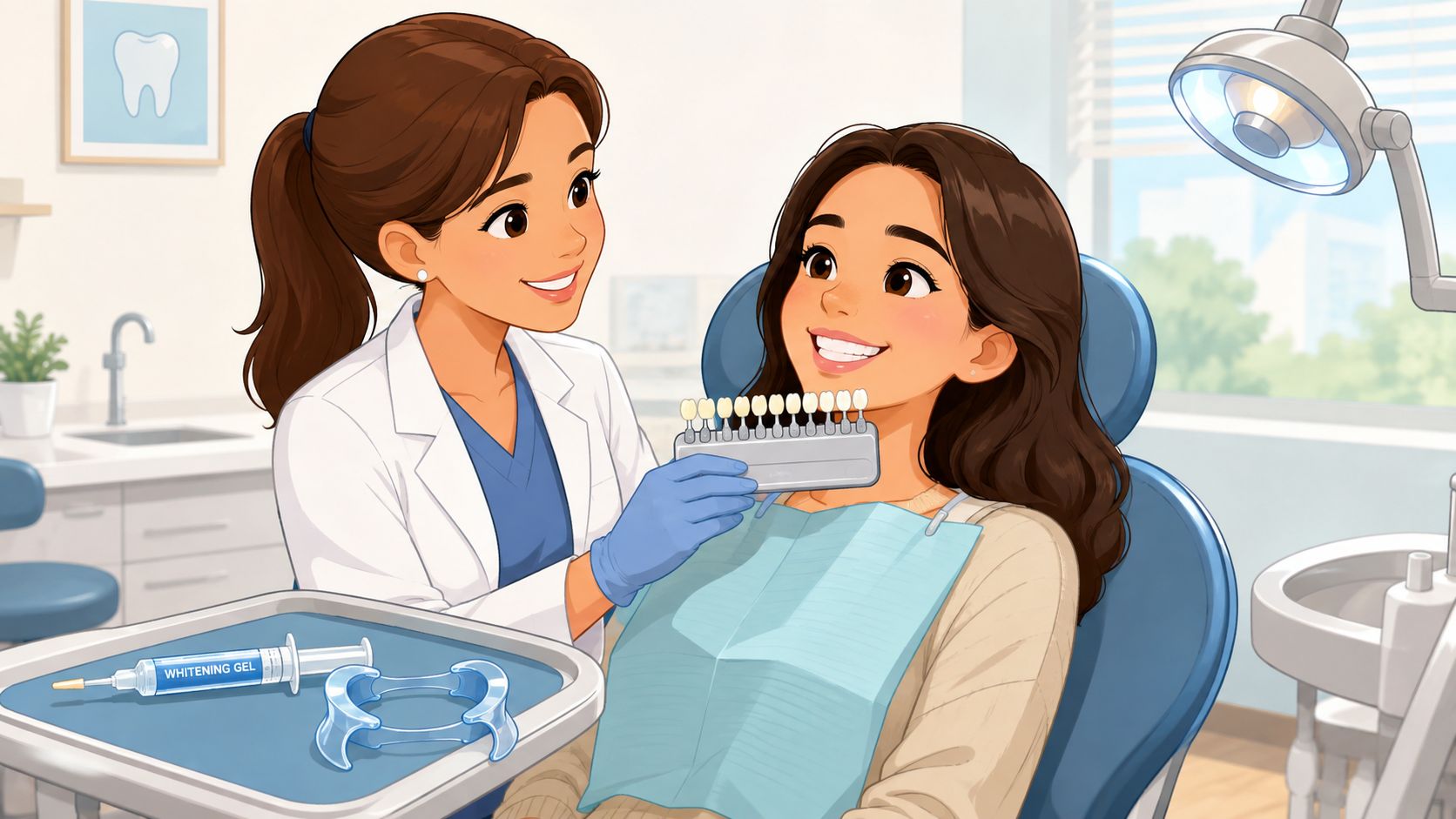
The appointment begins with an examination
The dental team examines the teeth and gums before selecting a protocol. This step helps identify untreated decay, gum inflammation, exposed root surfaces, cracks, or restorations that may affect comfort and the final appearance. It also gives you a chance to explain whether cold drinks, brushing, or previous whitening caused discomfort.
The provider may discuss whether an in-office or take-home plan better matches your goals. If you're planning cosmetic work, whitening may need to be timed before restorative treatment so the color of future dental work can be selected with the brighter natural shade in mind.
In-office care focuses on controlled application
During in-office whitening, the team takes protective measures around the lips and gums before applying the peroxide product to the teeth. The dental professional controls the placement, timing, and removal of the material rather than asking you to judge those details alone.
You may notice temporary sensitivity afterward. That possibility should be discussed before treatment, along with what to do if discomfort appears. A professional visit isn't about pushing through pain. It's about using a protocol that can be adjusted to your needs.
Take-home trays follow a different rhythm
For take-home whitening, the dental team explains how to load and wear custom trays, how long to use them, and when to stop or call with concerns. The pace is gradual, which can make it easier to fit treatment around work, school, childcare, and family routines in Santa Ana or nearby Orange County communities.
Ask for written instructions and clarification about storage, cleaning, and follow-up. A clear plan makes it easier to avoid overuse and helps you recognize when sensitivity or gum irritation deserves professional guidance.
Safety, Sensitivity, and Enamel Health Considerations
Whitening is generally approached as a controlled cosmetic procedure, but peroxide concentration matters. Product strength, contact time, application accuracy, and the condition of the teeth and gums all affect safety and comfort. A product that seems inexpensive or convenient may not be appropriate for someone with untreated dental disease, recession, restorations, or a history of sensitivity.
Neutral consumer guidance from the Health Products Regulatory Authority's teeth whitening safety warning emphasizes that products above consumer limits may require dental supervision. It also advises people with existing dental or medical conditions to consult a dentist before whitening. That guidance is particularly relevant when online videos encourage high-strength peroxide or improvised do-it-yourself methods.
Sensitivity has a practical explanation
Peroxide can temporarily make teeth more responsive to cold or other sensations. The risk may be higher with more concentrated, faster protocols, while gradual treatment can be easier for some patients to tolerate. Still, personal response varies, so a dentist should know about previous sensitivity before treatment begins.
A 2025 clinical abstract referenced in the safety guidance reported mostly mild-to-moderate adverse events, including sensitivity and gingival irritation, with no edema or sloughing. That information doesn't make every product suitable for every person. It supports a measured approach, proper application, and prompt communication if symptoms develop.
Pause and ask before continuing if you experience significant pain, persistent gum irritation, or a reaction that concerns you.
Existing dental work can change the plan
Whitening affects natural tooth structure, not every material used in dentistry. Crowns, fillings, veneers, and similar restorations may not lighten with natural enamel, so whitening before replacing visible dental work can help the dentist plan a more consistent shade. If you're considering cosmetic dentistry, mention that goal during the consultation.
Enamel health also depends on avoiding unnecessary exposure. Don't combine several whitening products because one seems slow, and don't follow viral instructions that conflict with professional guidance. Dr. Andrew Finley can help you decide whether to proceed, modify the schedule, or address another dental issue first.
How to Choose a Local Santa Ana Whitening Provider
Searching for teeth whitening near me often produces a long list of offices and advertisements. A useful filter is to look for a dental practice that explains the process clearly, examines your teeth before treatment, and answers questions without pressuring you to choose the fastest option.
Location matters because convenience affects follow-up. A practice on or near South Bristol Street may be practical for Santa Ana patients traveling from work, home, or school. Patients coming from Tustin, Irvine, Garden Grove, or Costa Mesa may also want to consider travel time, appointment availability, and whether the office can support future dental needs beyond whitening.
Questions worth asking before treatment
Use the consultation to find out:
- What will be examined first? Ask whether the provider checks for decay, gum concerns, exposed roots, and restorations.
- Which peroxide protocol is being recommended? You should understand whether the plan is in-office or take-home and why it fits your situation.
- How will sensitivity be handled? Ask what symptoms are expected, when to pause, and whom to contact.
- What happens if I'm planning cosmetic work? Whitening may need to be coordinated with restorations, veneers, or orthodontic treatment.
- How will maintenance work? Clarify whether future touch-ups require a new evaluation and how the practice monitors your comfort.
Read reviews for patterns, not promises
Reviews can help you assess communication, waiting-room experience, clarity of treatment explanations, and how the team responds when a patient has a concern. Don't treat dramatic before-and-after language as a guarantee for your own smile. Your starting shade, enamel, dental history, and restorations make your case individual.
A dental home can also be helpful when whitening is only one part of your plans. A patient may later need Invisalign, implant planning, emergency dental care, or oral appliance therapy for sleep apnea. Choose a provider based on trust, supervision, and fit, not just the first advertisement you see.
Realistic Before-and-After Expectations and Maintenance
A before-and-after image can make whitening look simple, but the starting point matters. Natural enamel may respond differently from discoloration caused by an injury, medication, aging, or a restoration. Whitening also won't change the color of every dental material, so an even result may require broader cosmetic planning.
Teeth whitening has become a substantial global consumer category. One industry estimate values the modern market at USD 8.93 billion in 2025 and projects it to reach USD 14.31 billion by 2034, implying a 5.44% compound annual growth rate over that forecast period. The same teeth whitening market estimate places North America at 38.4% of global share in 2025. Those figures show how common the interest has become, not what any individual patient should expect.
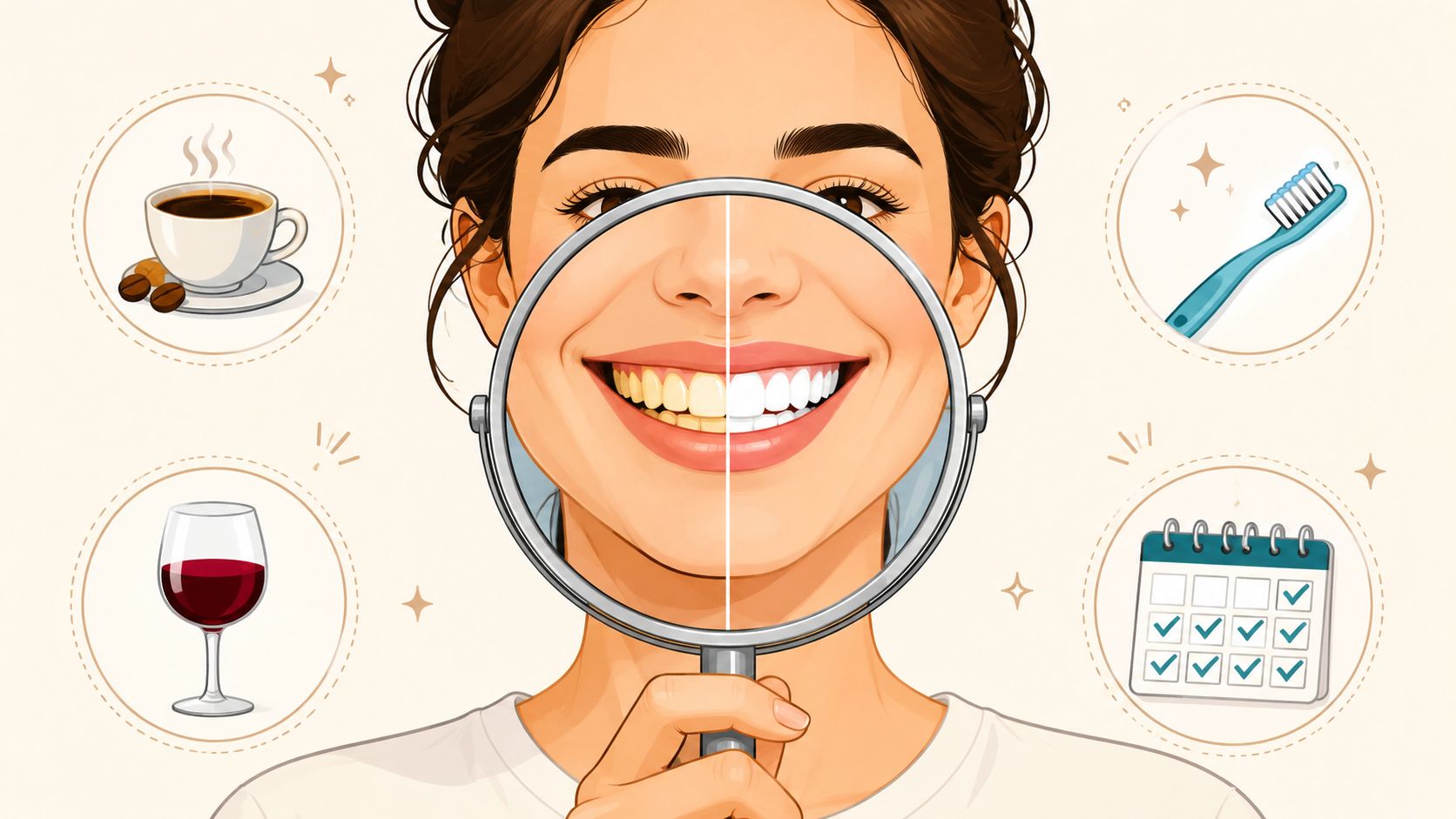
Plan around your life and your dental goals
If you're preparing for a wedding, interview, graduation, or family photos, discuss timing early enough to allow for an examination and a gradual option if that's more comfortable. Patients considering Invisalign may also want to coordinate whitening with aligner treatment. Invisalign protocols described in a peer-reviewed study involve wearing aligners 20 to 22 hours per day and changing them sequentially every 7 days, as detailed in this peer-reviewed clear aligner study. Your dentist and orthodontic team can explain how whitening fits your specific schedule.
Maintenance depends on your habits and the plan chosen. Regular brushing, cleaning between teeth, and following professional instructions can help limit new surface staining. If your smile is part of a larger cosmetic plan, whitening may be one step before restorative work rather than the final treatment.
Next Steps and Common Patient Questions
Start with an evaluation rather than a product. Bring up your goal, event date, sensitivity history, restorations, gum concerns, and any cosmetic or orthodontic treatment you're considering. Dr. Andrew Finley can discuss whether whitening is appropriate and whether in-office or take-home care better matches your needs.
Common questions
Can whitening affect future cosmetic treatment?
It can affect shade planning for visible restorations, so discuss whitening before replacing crowns, fillings, veneers, or similar work.
What should I do if sensitivity appears during treatment?
Pause according to your dental team's instructions and contact the office if the discomfort is significant, persistent, or worrying. Don't add more whitening products to compensate for a slower response.
How should I time whitening around an important event?
Ask early. Your dentist can consider the desired timing, your dental condition, and whether a gradual protocol may be more comfortable.
If you have broader concerns, Bristol Dental & Orthodontics also provides care for Santa Ana families, including Invisalign, dental implants, sleep apnea treatment, emergency dentistry, and cosmetic dental services. Schedule a consultation to discuss your smile goals with a dental professional who can tailor the conversation to your needs.
Visit Bristol Dental and Orthodontics to learn about cosmetic dentistry and teeth whitening in Santa Ana. Schedule a consultation with Dr. Andrew Finley to review your options, comfort concerns, and the timing that fits your smile plans.