
44.5% of orthodontic patients were excited about changing elastic ligature colors, while 45.5% liked changing them at each visit, so the best braces colors for adults depend on how visible you want treatment to be. Silver, clear, navy, charcoal, and carefully coordinated warm tones offer different starting points for your workplace, wardrobe, complexion, and willingness to manage staining.
You may be preparing for a presentation in Santa Ana, scheduling engagement photos in Irvine, or wondering whether braces have to look either clinical or playful. They don't. Elastic color selection is personal, and the available shades depend on your orthodontic system, bracket material, and treatment plan. Your dental team can help you compare those choices rather than relying on a color chart alone.
This guide organizes seven practical approaches around professional visibility, personal style, seasonal coordination, and maintenance. Patients in Santa Ana and nearby Orange County communities, including Costa Mesa, Tustin, Irvine, and Garden Grove, can discuss these options with Bristol Dental & Orthodontics and Dr. Andrew Finley.
Table of Contents
- 1. Classic Silver and Metallic Tones
- 2. Tooth-Colored and Clear Bracket Systems
- 3. Subtle Accent Colors
- 4. Warm Neutral Accents
- 5. Strategic Two-Tone Color Combinations
- 6. Monochromatic Gradient Approach
- 7. Clear Elastics With Intentional Bracket Selection
- Top 7 Adult Braces Color Options Comparison
- Make Your Choice With Confidence
1. Classic Silver and Metallic Tones
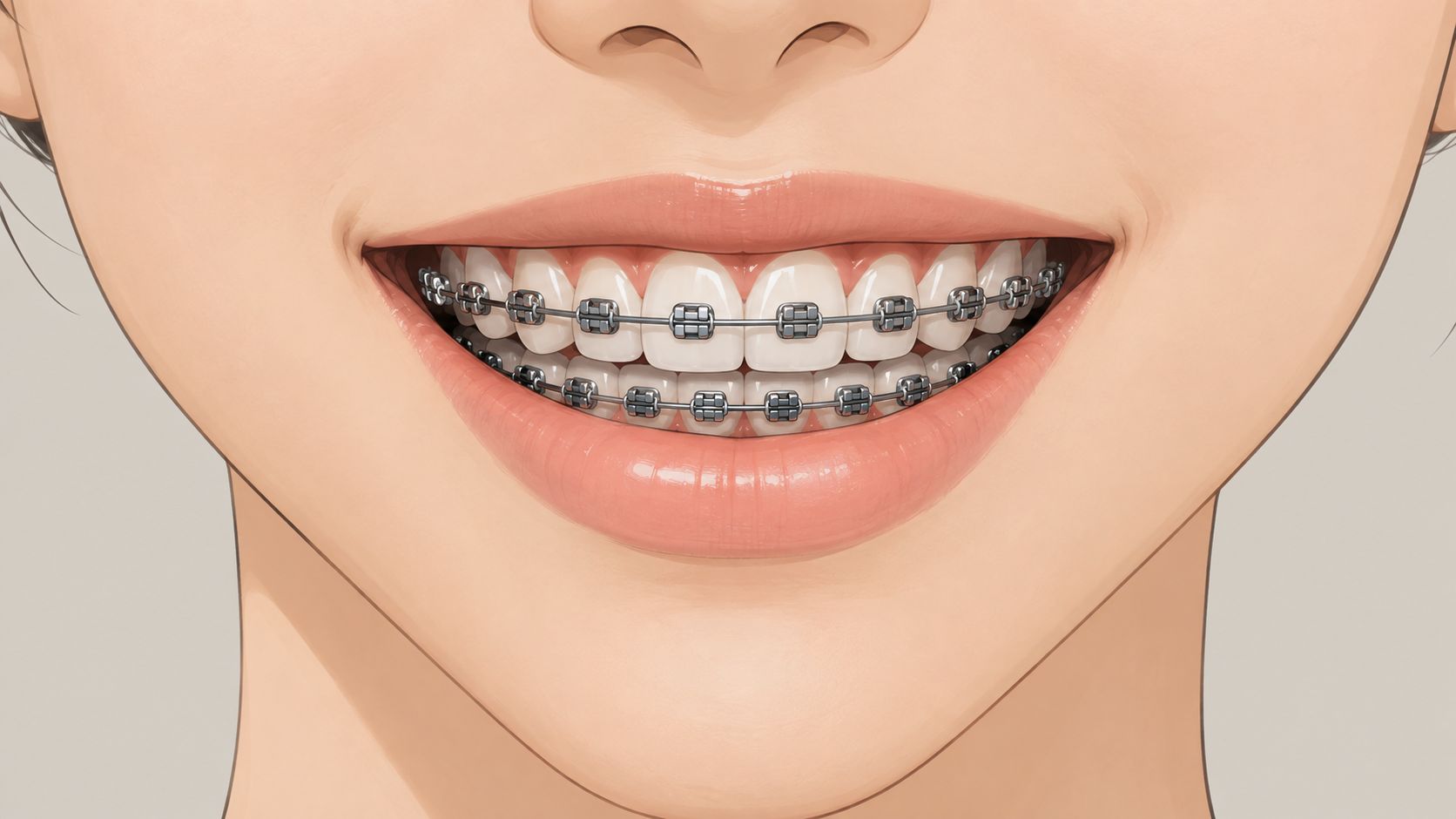
Silver remains a dependable choice for adults who want braces to look deliberate but not attention-seeking. Metallic brackets and wires already have a reflective finish, so silver or gray elastics can create a coordinated appearance instead of adding a contrasting pop of color. A published preference study found that transparent, silver, blue, and gray ligatures were among the options patients preferred most, which supports the appeal of neutral shades for mature patients. Read the study on elastic ligature color preferences.
This approach suits someone who works with clients, gives presentations, or prefers clothing in black, white, navy, beige, and gray. Silver also avoids the problem of clear or pale ties blending into enamel and then looking dull against it. It won't make braces invisible, but it can make the appliance appear visually consistent.
Why metallic shades work at work
A corporate professional may choose silver before a series of meetings because the color doesn't compete with a suit, glasses, or jewelry. Someone with a conservative personal style may also find metallic tones easier to wear in photographs than bright red, orange, or multicolored elastics.
Ask Dr. Finley whether your system offers different metallic finishes. Availability varies, and the appearance of silver can change depending on the bracket, wire, lighting, and elastic material.
Practical rule: If you want the lowest-maintenance professional look, start with silver or gray and ask whether clear elastics would complement your brackets.
Pairing metallic brackets with clear or tooth-colored elastics can make the result quieter, but clear ties may need more attention if your diet includes staining beverages or foods. Braces are commonly adjusted every 4 to 8 weeks, although the schedule depends on the treatment stage and plan. Oral-B explains why follow-up timing varies.
2. Tooth-Colored and Clear Bracket Systems
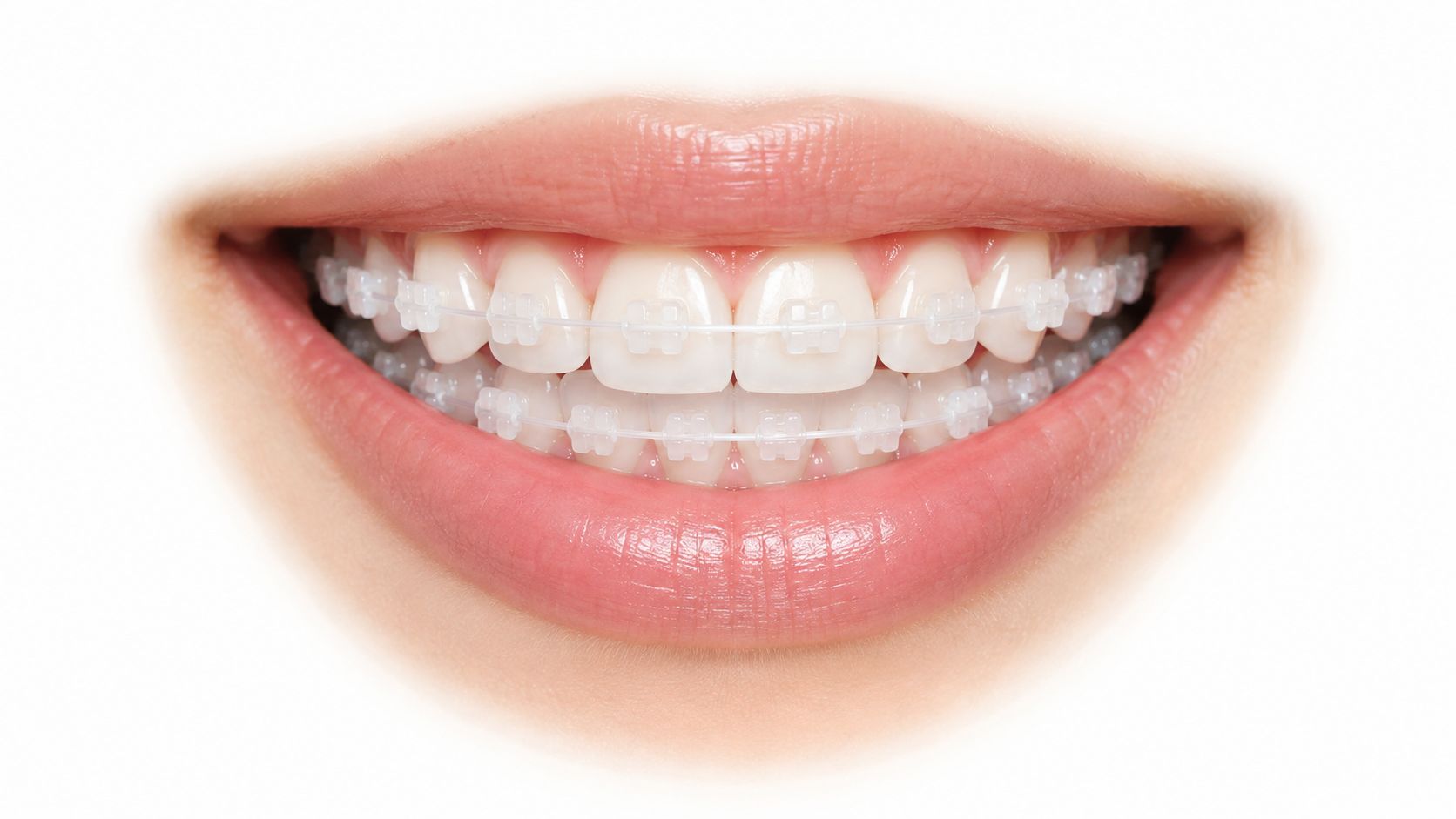
For adults who expect frequent client meetings, professional headshots, social events, or family photographs, tooth-colored or translucent brackets can soften the appliance's overall appearance. Ceramic brackets reduce contrast with the smile, but the elastic tie still influences what people see. The bracket choice alone does not make every elastic shade equally discreet.
At Bristol Dental & Orthodontics, ceramic brackets can be discussed alongside clear, silver, or gray elastics. During a consultation, ask Dr. Finley to compare sample combinations and consider how each option may look in your usual work and social settings. Explore orthodontic care from Bristol Dental & Orthodontics
Clear does not mean maintenance-free
Clear and white elastics can look clean when they are fresh. They may also show discoloration more readily than darker shades, especially for adults who regularly drink coffee, tea, or red wine. Orthodontic guidance notes that pale and clear tones can stain or turn yellow, while navy, dark blue, silver, and charcoal are often more forgiving between visits. Review practical braces-staining guidance.
This trade-off matters if you want ceramic brackets without monitoring every meal. Ask how elastics are replaced during adjustments, whether your daily habits make clear ties practical, and how the selected shade will work with your wardrobe. Elastic color is changeable, while the bracket material is a separate treatment decision.
- For upcoming photos: Choose the bracket and elastic combination with the event's lighting and timing in mind.
- For coffee drinkers: Ask how quickly clear ties may show staining within your routine.
- For a softer appearance: Compare tooth-colored brackets with clear, silver, or gray elastics instead of assuming white will be least visible.
A consultation can also clarify whether ceramic brackets suit your treatment plan and appearance priorities. The most discreet combination on a sample may not be the easiest choice to maintain every day.
3. Subtle Accent Colors
Navy, charcoal, dark teal, and deep purple give adults a way to show personality without making the color the first thing people notice. These shades coordinate naturally with denim, business-casual clothing, dark jackets, and neutral wardrobes. They also create more contrast with the teeth than clear or pale elastics, which can make the smile feel brighter in some lighting.
Adults often prefer this middle ground. A 2021 cross-sectional study of 319 orthodontic patients aged 18 to 36 found that 77.4% did not like multicolored ligatures, while most patients still preferred less noticeable colors overall. The same study showed that customization remained popular, with 44.5% excited about changing elastic colors and 45.5% liking a color change at each visit, even though subtle choices were often the default. Review the 2021 orthodontic patient study.
Match the shade to your actual wardrobe
A navy tie can look polished with a navy blazer, but it doesn't have to match perfectly. Charcoal works well for someone who wears black, gray, or cool neutrals, while dark teal can add color without the brightness of turquoise. Deep purple may suit a creative professional who wants something recognizable but still restrained.
Darker colors are also practical for maintenance. Guidance from an orthodontic practice notes that gray, silver, dark blues, purples, and darker greens tend to mask minor discoloration more effectively than light colors. See guidance on preventing braces staining.
Choose navy or charcoal when you have a headshot, presentation, or formal event ahead. You can also ask about seasonal changes, such as navy during cooler months and a lighter coordinated tone later, provided the shade is available for your system.
4. Warm Neutral Accents
Gold, rose gold, bronze, and champagne-toned elastics can make braces feel warmer and more connected to your personal style. They're especially appealing to adults who already wear warm jewelry, including rose gold earrings, gold watches, or bronze accessories. Rather than trying to hide the appliance completely, this strategy treats the color as a refined detail.
Warm tones can also coordinate with complexion and hair color, but there's no universal rule that a particular shade will suit everyone. Lighting changes how metallic elastics appear, and the same rose gold may look different beside silver brackets than beside ceramic brackets. Ask the team at Bristol Dental & Orthodontics what's available with your bracket system before planning a specific combination.
Coordinate, but don't overmatch
An adult attending a wedding may choose a soft warm tone to work with jewelry and formal clothing. Someone in a design, beauty, or fashion-related role may prefer bronze or rose gold because it feels intentional rather than purely clinical. For an everyday professional look, one warm shade can be enough. Too many competing colors may create a busier effect than you intended.
- Use jewelry as a reference: Bring a photo of the watch, earrings, or necklace you wear most often.
- Compare bracket materials: Warm elastics may look more integrated with tooth-colored brackets, but availability depends on the appliance.
- Plan around photographs: Check the color in natural light when possible, since metallic finishes can reflect differently indoors.
- Ask before choosing: Not every shade is offered with every orthodontic system.
Warm colors are still elastics around brackets, not a change to the bracket's clinical role. Your orthodontic team will determine which bracket and elastic options suit your treatment plan. Color can personalize the appearance, but it doesn't replace professional appliance selection.
5. Strategic Two-Tone Color Combinations
Two-tone combinations work best when they look planned. Navy with silver, charcoal with white, rose gold with champagne, or dark teal with gray can provide contrast while keeping one shade visually grounded. This approach may suit a creative professional who wants braces to feel like part of a personal aesthetic rather than something to conceal.
A patient preparing for a seasonal event might choose a neutral and an accent color, then adjust the palette at the next visit. Another adult might use one color on the upper arch and another on the lower arch. The arrangement matters as much as the colors, because alternating every bracket can create a different effect from using a concentrated accent.
Keep one element restrained
If both shades are bright, the result may feel more playful than professional. Keeping at least one color neutral usually makes the combination easier to wear with different clothing. Consider your actual wardrobe, not just the color wheel on the day you choose elastics.
- For a polished pairing: Try navy and silver.
- For warmth: Consider rose gold with champagne if those shades are available.
- For creative contrast: Use charcoal with a lighter coordinating color.
- For an event: Bring a clothing swatch or a reference image to the appointment.
Color availability and placement depend on the orthodontic system and the team's treatment process. Dr. Finley can help you decide whether a two-tone arrangement is practical for your braces. You'll also want to remember the replacement schedule, since the colors are usually revisited during follow-up adjustments rather than treated as permanent features.
A thoughtful two-tone plan should still look comfortable with the clothes you wear on ordinary workdays.
Don't choose a combination only because it looks attractive on a phone screen. Ask how it may appear in office lighting, outdoor photographs, and close conversation. A short consultation can prevent a color decision that feels too bold once it's on your smile.
6. Monochromatic Gradient Approach
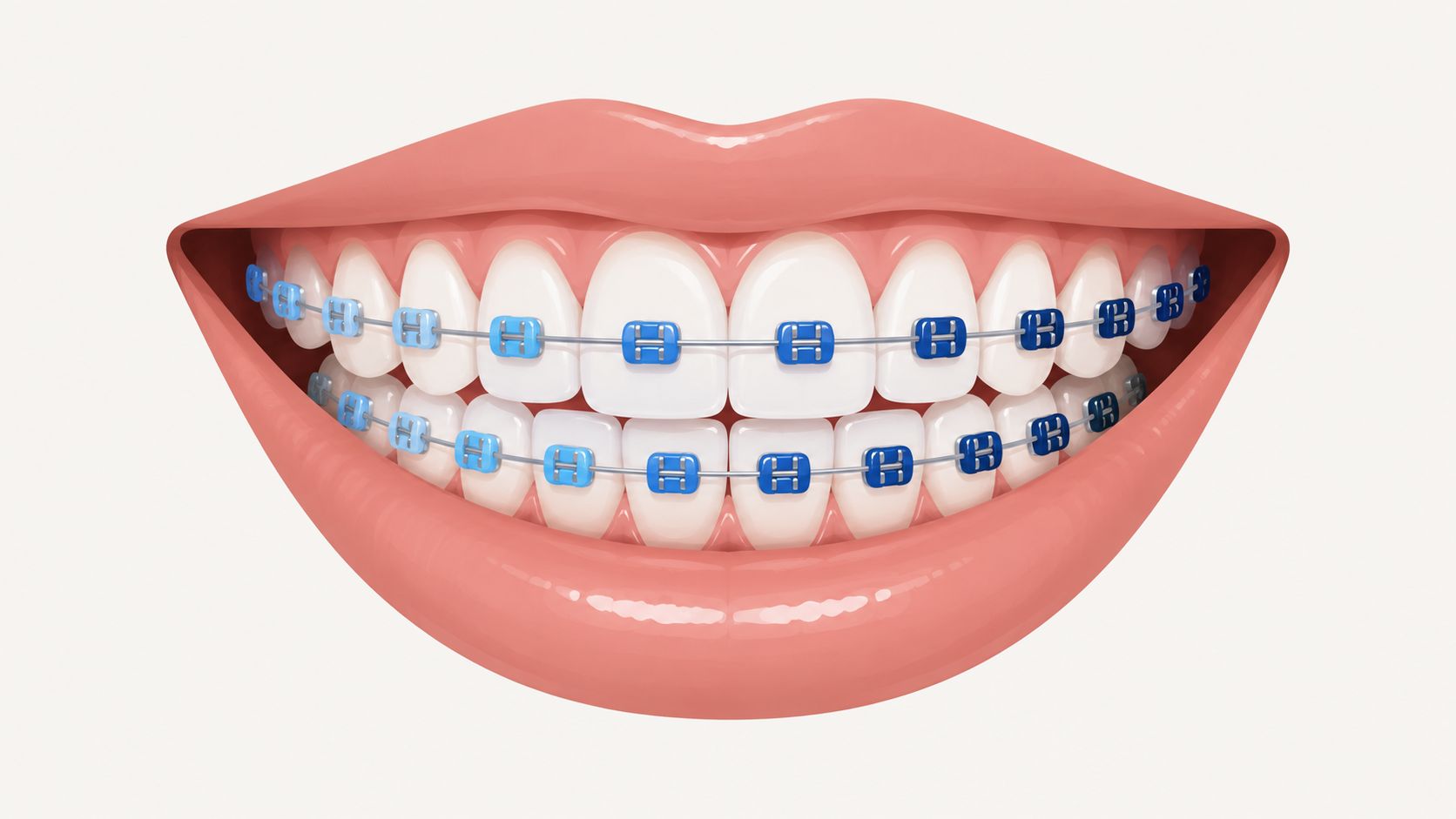
A monochromatic gradient uses several shades from one color family, moving from lighter to darker across the smile. Blue can progress toward navy, silver can deepen toward charcoal, and warm neutrals can move from champagne toward bronze or rose gold. The result is more expressive than a single neutral shade but usually more cohesive than unrelated colors.
This approach suits adults with a strong design sensibility, including people who work in graphic design, fashion, interiors, photography, or other creative fields. It can also appeal to someone who wants color without a rainbow effect. The strategy asks for more planning, because the order of the shades influences whether the smile appears balanced.
Plan for real-world viewing
A gradient that looks subtle in person may appear uneven in a professional photograph. Bring a reference image to your consultation and discuss how the team could map the sequence across your brackets. If you like the idea, write down the order before each adjustment so the intended pattern is easier to reproduce.
Choose shades that work together in photographs, not only under the lighting in the treatment room.
Tooth-colored or ceramic brackets may provide a softer background for a gradient, while metallic brackets can make the progression more defined. Neither choice is automatically right for every patient. Your bracket material, treatment plan, elastic availability, and oral-care needs all influence the final result.
A patient with an upcoming gallery opening might choose a controlled blue gradient, while someone who wants a quieter look could use silver through charcoal. The key is to keep the color family consistent and communicate the desired sequence clearly to Dr. Finley and the team at Bristol Dental & Orthodontics.
7. Clear Elastics With Intentional Bracket Selection
Clear elastics paired with silver metallic brackets create a clean, understated combination for adults who want traditional braces to attract less attention. This can work well for an executive, teacher, healthcare worker, presenter, or anyone who changes settings frequently and wants the appliance to remain visually quiet.
Clear elastics are not the same as Invisalign. They use conventional brackets and wires, while Invisalign uses removable clear aligners. Bristol Dental & Orthodontics offers Invisalign and orthodontic care, so an appointment can help you compare suitable options rather than choosing based only on appearance.
Understand the maintenance trade-off
Clear ties can look polished when they're fresh, but staining may become more noticeable than it would with navy, charcoal, or silver. If you drink coffee or tea regularly, ask whether replacing clear elastics at follow-up visits will provide the appearance you want. Don't switch or adjust orthodontic components yourself.
Good brushing and the appointment instructions from your orthodontic team matter for every color. Clear elastics may make buildup or discoloration easier to notice, which can be useful as a reminder to maintain careful daily hygiene.
- For maximum discretion: Ask about clear elastics with silver brackets.
- For public-facing work: Discuss how the combination may look in close-up photographs.
- For frequent staining exposure: Compare clear with a darker neutral before deciding.
- For an aligner comparison: Ask whether Invisalign is appropriate for your specific case.
The available elastomeric range is broad, including clear, silver, black, blue, red, green, white, pink, purple, teal, orange, yellow, gold, and metallic or glow variants. Review an elastomeric product reference. That variety gives you room to choose either a minimalist look or a more visible expression, but your orthodontic system determines which choices are available.
Top 7 Adult Braces Color Options Comparison
| Option | Implementation complexity | Resource requirements | Expected outcomes | Ideal use cases | Key advantages |
|---|---|---|---|---|---|
| Classic Silver and Metallic Tones | Low, standard metal brackets | Low, widely available, durable materials | Reliable tooth movement with subtle metal appearance | Professionals seeking minimal visual impact | Durable, low maintenance, professional look |
| Tooth-Colored and Clear Bracket Systems | Moderate, shade matching and handling | Moderate, ceramic/composite brackets, clear elastics | Highly aesthetic, discreet traditional braces | Adults prioritizing appearance without aligner costs | Blends with enamel, cosmetically superior to metal |
| Subtle Accent Colors (Navy, Charcoal, Deep Tones) | Low, colored elastics selection | Low, replaceable colored elastics | Subtle personalization that remains professional | Adults wanting understated expression with business attire | Sophisticated tones, coordinates with wardrobe |
| Warm Neutral Accents (Gold, Rose Gold, Bronze) | Low–Moderate, special metallic finishes | Moderate, availability varies, possible premium cost | Warm, elegant aesthetic that complements warm skin tones | Adults coordinating with jewelry or seeking refined look | Luxurious, flattering on warm undertones |
| Strategic Two-Tone Color Combinations | Moderate, planning color pairs and placement | Moderate, multiple elastics and consultation time | Personalized, intentional appearance with variety | Creative professionals or those who want custom looks | Customizable, can rotate colors seasonally |
| Monochromatic Gradient Approach | High, precise shade sequencing and mapping | High, multiple shades, detailed coordination | Cohesive ombré effect that reads as intentional and refined | Design-minded adults and fashion/creative fields | Sophisticated, design-forward visual interest |
| Clear Elastics with Intentional Bracket Selection | Low, standard brackets with clear elastics | Low, clear elastics, choice of bracket finish | Most discreet traditional option; minimalist appearance | Executives, public-facing roles needing discretion | Clean, modern, minimal visual impact |
Make Your Choice With Confidence
Start with visibility. Decide whether you want braces to blend into your work life, coordinate with your wardrobe, or show a carefully chosen accent. Silver, clear, navy, charcoal, warm neutrals, two-tone combinations, and gradients can all be reasonable starting points, but the right choice depends on the brackets and elastics used in your treatment.
Compare colors with the details you already live with. Your skin undertone, hair color, favorite jewelry, and usual clothing can guide the palette, while upcoming meetings, weddings, photographs, and presentations may influence whether you choose a subtle or expressive shade. Think about maintenance too. Clear, white, and pale elastics may look fresh initially but can show staining more readily, while darker neutrals often make minor discoloration less apparent.
The evidence also supports a measured approach for adults. In a study of 500 fixed-appliance patients, 55.2% preferred strikingly colorful elastic ligatures and 44.8% preferred less noticeable ones, but adolescents were more likely to choose vivid colors while older patients preferred subtle shades. A later clinical preference study reported that adults chose transparent ligatures 65% of the time, reinforcing the value of low-visibility options for many mature patients. Review the fixed-appliance color preference research. An adult esthetics study likewise found colored O-tied brackets were rated the least attractive appliance type, behind shaped brackets, while adults preferred more esthetic solutions overall. Read the adult appliance esthetics study.
Bring reference images, mention important events, and tell Dr. Finley about your beverage and food habits. Do keep brushing carefully and following appointment instructions. Don't treat color advice as a substitute for an orthodontic evaluation, and don't assume a shade is available or suitable without checking your treatment plan.
Bristol Dental & Orthodontics serves patients in Santa Ana and surrounding communities, including Costa Mesa, Tustin, Irvine, and Garden Grove. The team can discuss braces, ceramic options, Invisalign, and other orthodontic approaches when appropriate. This article must be reviewed by Dr. Finley before publication.
Bristol Dental and Orthodontics offers orthodontic consultations in Santa Ana, including options such as ceramic braces, colored elastics, and Invisalign when appropriate for your needs. Visit Bristol Dental and Orthodontics to discuss your preferred braces colors, bracket options, and a treatment plan with Dr. Andrew Finley.