
Waking up with a sore jaw, a dull headache, or teeth that feel oddly sensitive can be frustrating, especially when you can't remember doing anything to cause it. A lot of people in Santa Ana and Orange County live with that pattern for months before they realize they're dealing with bruxism, the clinical term for teeth grinding and clenching.
At Bristol Dental & Orthodontics, we see this problem as more than a bad habit. It's often a mix of stress, sleep disruption, jaw muscle overactivity, and sometimes airway concerns, which is why the right plan starts with understanding what is driving it.
Table of Contents
- Understanding the Hidden Causes of Teeth Grinding
- Identifying Your Signs and Risk Factors
- Immediate Relief and Home Remedies
- Sleep Hygiene and Behavioral Strategies
- Professional Treatments at Bristol Dental & Orthodontics
- The Sleep Apnea Connection and When to Seek Care
Understanding the Hidden Causes of Teeth Grinding
A patient may wake with a tight jaw, assume an awkward sleeping position caused it, and continue the routine until sensitivity, tooth wear, or headaches become difficult to ignore. By the time they seek care, they often want one clear fix. Bruxism rarely has one cause, so effective care begins by identifying what is keeping the jaw active.
What bruxism is
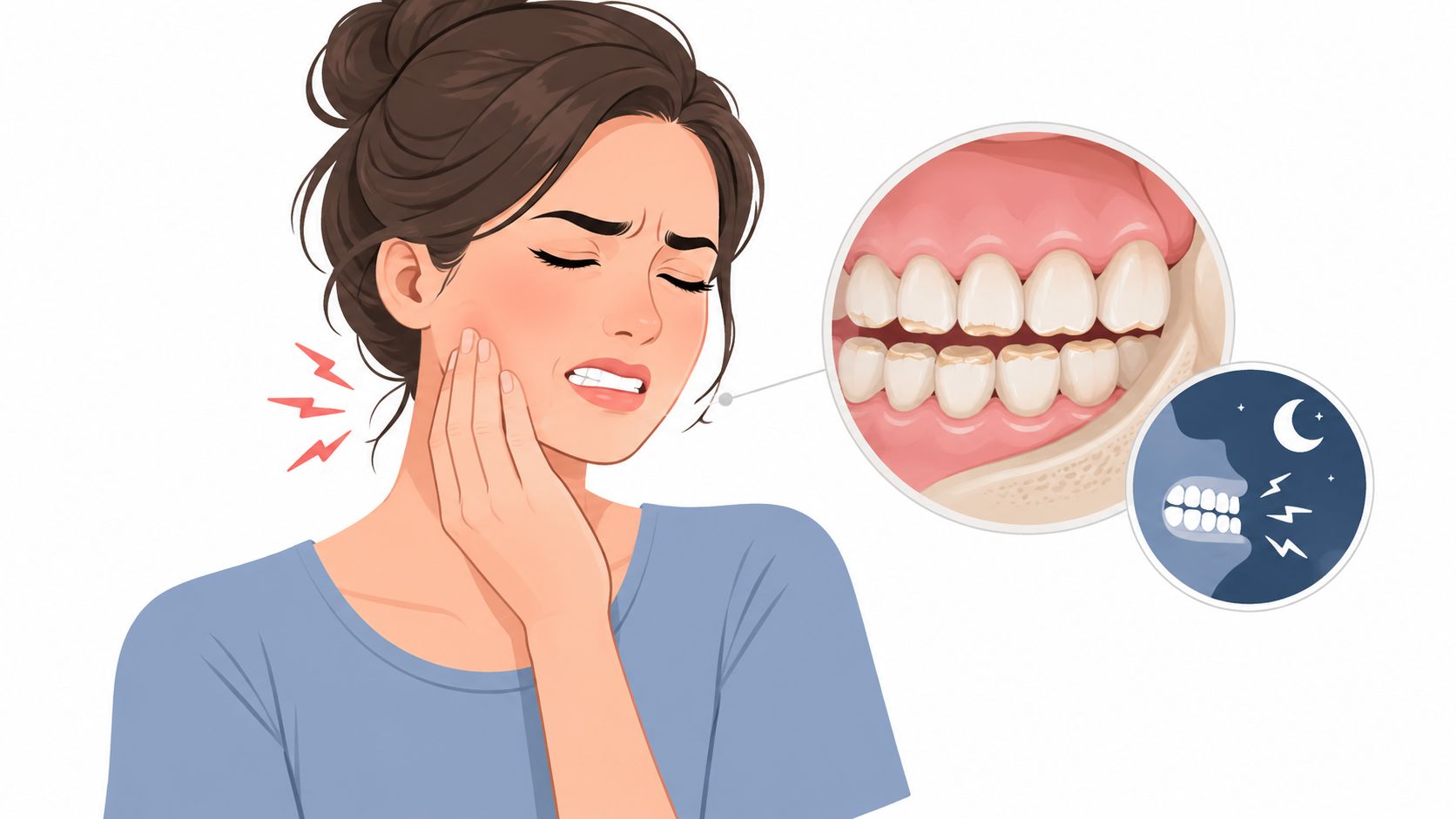
Bruxism is a motor behavior, not just a bad habit. It can occur while awake or during sleep. A recent consensus review describes it as potentially harmful, protective, or neutral depending on the circumstances (consensus review). The distinction matters. Light daytime clenching during work calls for different advice than sleep-related grinding or jaw activity linked with another condition.
Reported prevalence varies according to how bruxism is defined and measured. A 2013 systematic review found awake bruxism prevalence at 22.1% to 31% and sleep bruxism at about 12.8% ± 3.1% in adults (systematic review). The same review also reported adult sleep bruxism estimates ranging from 1% to 15%, with higher rates in children and adolescents. These figures explain why bruxism regularly affects examination findings and treatment planning.
Practical rule: morning-predominant jaw pain raises concern for sleep-related bruxism. Clenching during stressful tasks points toward daytime habits as well.
What usually drives it in the exam room
The contributing factors are often layered. Stress can keep the jaw muscles active for longer periods. Late caffeine, evening alcohol, smoking, and poor sleep habits may also make it harder for the nervous system to settle before bed. Sleep quality deserves attention because reducing grinding without addressing repeated arousal may leave the main trigger in place.
Bite alignment can contribute, but it is rarely the complete explanation. A tooth that feels “off” may make clenching more noticeable, while people with acceptable bites can still grind when stress, arousal, or disrupted sleep is the stronger influence. A night guard can protect teeth from contact, but it does not identify or remove those drivers. Understanding the root cause is the first step toward a plan that addresses both protection and the factors sustaining the behavior.
Identifying Your Signs and Risk Factors
A patient may notice a tired jaw each morning, while a dental examination reveals the problem more clearly. Flattened enamel, small chips, bite soreness, or recurring sensitivity can show that pressure has been building gradually. Some people only connect these findings with grinding after a partner reports nighttime sounds.
Signs that matter most
Watch for jaw soreness, morning headaches, tooth sensitivity, jaw clicking, and a bite that feels different from one day to the next. A partner or family member may also hear grinding before you become aware of it.
Other clues are less obvious. Pain from cold air, a filling that repeatedly feels strained, or facial tightness after a demanding week can indicate clenching. Symptoms that come and go still deserve attention. Intermittent symptoms often reflect an intermittent trigger rather than a minor problem.
Daytime clenching can be especially easy to miss because it happens during concentration rather than sleep. Notice whether your teeth touch while driving, working at a screen, or handling a difficult task. The jaw should generally rest without contact between the teeth.
A routine dental visit is often where the pattern becomes clear. Patients may not realize how much wear has developed until the examination shows it.
What tends to raise the risk
Risk factors extend beyond the daily habits already discussed. Shift work can disrupt the sleep pattern that normally helps the nervous system settle. High-dose stimulant medication may increase muscle activity or alertness in some patients, while untreated reflux can contribute to repeated sleep disruption. An examination and medical history help determine whether these factors belong in the treatment plan.
The timing of clenching provides useful information. Track when your jaw tightens, not only how painful it feels. Commuting, screen work, and periods of intense concentration can expose daytime patterns that a morning symptom check misses. This record also helps separate a persistent muscle habit from episodes linked to poor sleep or acute stress.
Identifying the pattern guides the next decision. Tooth protection may be needed, but the examination should also address sleep quality, medication, work demands, and other factors that can keep the jaw active.
Immediate Relief and Home Remedies
After a night of grinding, the jaw may feel tired, tight, or tender when you wake. The immediate aim is to reduce muscle activity and protect the teeth while you identify what is keeping the pattern going. Simple measures can ease symptoms, but they do not replace assessment when grinding persists.
What you can do tonight
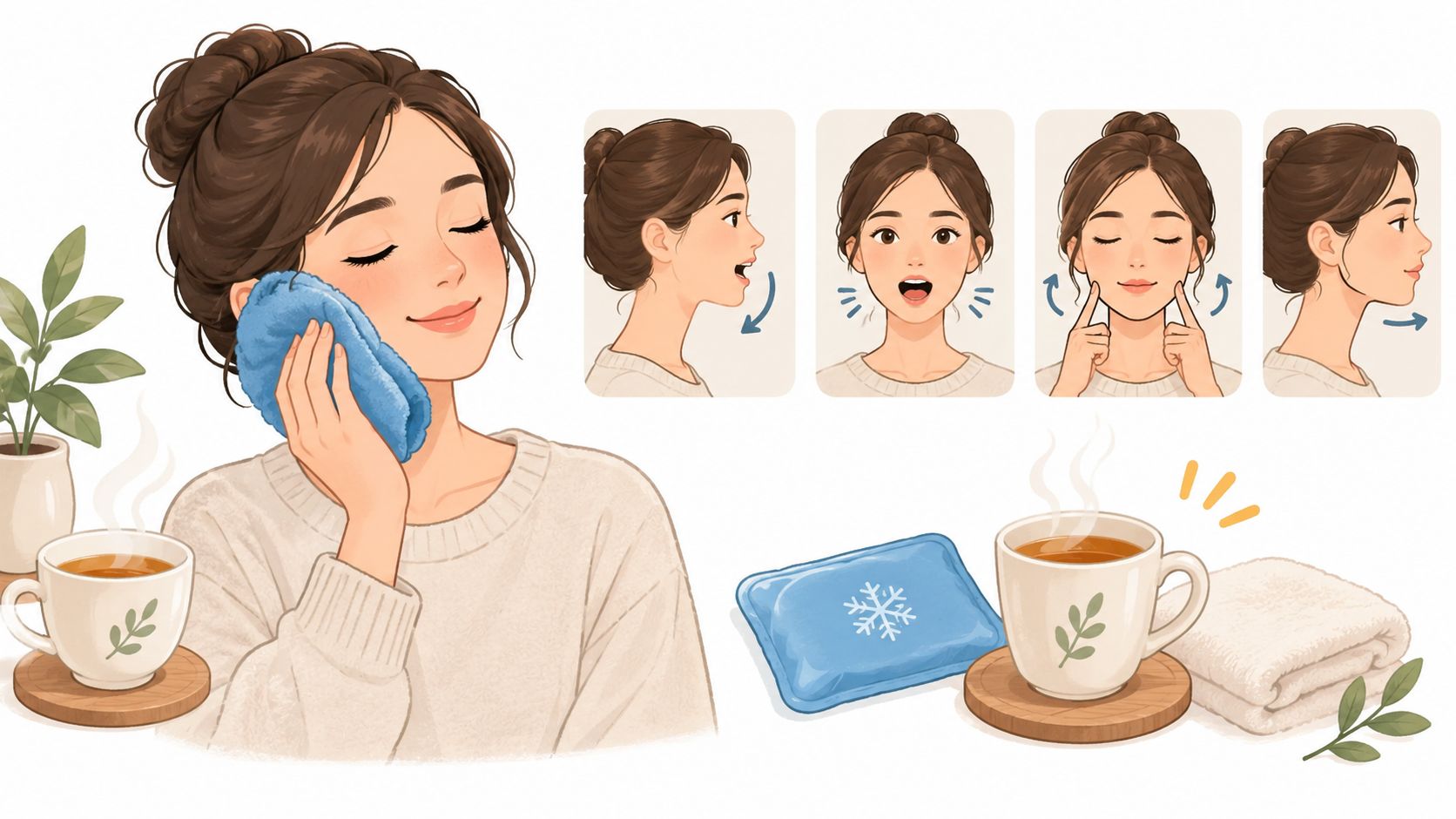
Begin with the resting position of your jaw. Keep your teeth slightly apart, with the tongue resting comfortably and the lips relaxed. Teeth should meet for chewing and swallowing, not throughout the day. This position reduces sustained muscle contraction and gives you a practical way to interrupt daytime clenching.
Use warmth or cold according to the symptom. A warm compress may loosen tight jaw muscles, while a cold pack can calm a sore or irritated area. Apply either gently and avoid pressing directly over a painful joint. Over-the-counter pain relief can reduce temporary discomfort, but it does not address the grinding or its trigger.
Small changes that make a difference
Practical self-care focuses on reducing common triggers: reduce stress, avoid caffeinated coffee or tea after dinner, avoid evening alcohol, stop smoking, and improve sleep habits, as outlined by the Mayo Clinic.
Use these steps consistently:
- Set a jaw check reminder. If your teeth touch while you work or concentrate, separate them, relax the tongue, and let the lower jaw move freely.
- Keep evenings predictable. A quiet wind-down can reduce alertness before bed and support better sleep quality.
- Skip hard chewing late at night. Gum, ice, and chewy foods can keep already-overworked muscles active.
- Treat tightness with gentle resisted opening. At the first sign of muscle tension, place light pressure under the chin and open slowly against it for two minutes. Stop if this increases joint pain, locking, or sharp discomfort.
These measures may reduce soreness and lower muscle load, but they will not remove an untreated sleep or stress trigger. Persistent grinding, worsening pain, tooth sensitivity, or a change in how the teeth meet warrants a dental evaluation. A clinician can decide whether protection for the teeth is needed and whether the pattern points to a broader sleep-related problem.
Sleep Hygiene and Behavioral Strategies
A patient may sleep through the night yet wake with a sore jaw because brief arousals are activating the chewing muscles. Fragmented or shallow sleep can make nighttime grinding more likely, so treatment should address sleep quality and stress alongside dental protection.
Build a sleep routine your jaw can follow
Keep the hour before bed predictable. Dim the lights, reduce stimulating content, and finish work or difficult conversations outside the bedroom. This gives the nervous system a clearer transition into sleep and may reduce the muscle bracing that accompanies mental alertness.
The bedroom itself should support uninterrupted rest. Keep it quiet and comfortably cool, and limit screen use close to bedtime. Scrolling in bed can maintain alertness even when the body feels tired. A consistent schedule also makes it easier to recognize whether changes in sleep are affecting jaw symptoms.
Stress deserves a practical response rather than a vague instruction to relax. Slow breathing, gentle stretching, or a brief written plan for unresolved tasks can reduce bedtime activation. These steps will not stop every episode of bruxism, but they can improve the conditions that make arousals and clenching more likely.
Compare the common strategies
Each approach addresses a different part of the problem:
- Sleep hygiene is most useful when irregular routines, stress, or disrupted sleep accompany grinding.
- Behavioral methods suit patients who notice daytime clenching and can respond to reminders to release the jaw.
- Biofeedback approaches may benefit some patients by drawing attention to muscle activity, although results are mixed.
- A protective appliance is appropriate when tooth wear, fractures, or other damage is the main concern. It protects the teeth without reliably removing the underlying muscle activity.
A review found limited overall support for behavioral therapy, while biofeedback and related methods produced positive results in some studies. The practical lesson is to match the plan to the pattern. A patient whose grinding worsens with poor sleep may need sleep assessment and stress management, not an appliance alone.
Sleep changes take consistency, and improvement may be gradual. Persistent grinding, morning headaches, worsening jaw pain, or tooth damage should prompt dental assessment so the cause and protective options can be evaluated.
Professional Treatments at Bristol Dental & Orthodontics
When home care isn't enough, the goal shifts to protecting the teeth and reducing the strain on the jaw. At Bristol Dental & Orthodontics in Santa Ana, that starts with a proper dental exam, because grinding can overlap with bite concerns, worn restorations, orthodontic movement, and even symptoms patients have learned to ignore.

What a night guard can and can't do
A custom-fitted night guard, also called an occlusal appliance, is mainly there to protect the teeth and reduce the noise and surface damage from grinding. That distinction matters because a guard is not a guaranteed cure for the underlying motor activity.
The evidence backs that up. A Cochrane review found insufficient evidence that occlusal splints reduce sleep bruxism frequency, and later review work noted that the reduction in EMG events is often transient, with the strongest effect in the first 2 weeks before activity trends back toward baseline in longer use (review). In plain language, the appliance helps protect what's already there, but it doesn't magically switch off the cause.
That's why a drugstore guard can be a poor fit for many people. A loose or bulky appliance may feel awkward, and if it's not adjusted properly, it may protect less effectively or create new discomfort. A professionally made guard is shaped around the bite and the patient's actual pattern of wear.
When oral appliance therapy becomes relevant
Sometimes the grinding is tied to a sleep-breathing problem rather than a tooth problem alone. In adults with obstructive sleep apnea, the American Academy of Sleep Medicine and the American Academy of Dental Sleep Medicine recommend oral appliance therapy when CPAP isn't tolerated or when the patient prefers an alternative, and the appliance should be custom and titratable (guideline). These devices are worn during sleep and help hold the lower jaw forward or support the tongue to keep the airway open (Sleep Education).
That matters for patients in Orange County because the right device may address more than one issue at once. A person who snores, wakes unrefreshed, and grinds may need a broader workup, not just a guard.
Other office-based options can come into the discussion for selected cases, including muscle-relaxing treatments or orthodontic evaluation when the bite or tooth alignment is contributing. The right choice depends on symptoms, wear, sleep quality, and the exam findings, not on a one-size-fits-all rule.
The Sleep Apnea Connection and When to Seek Care
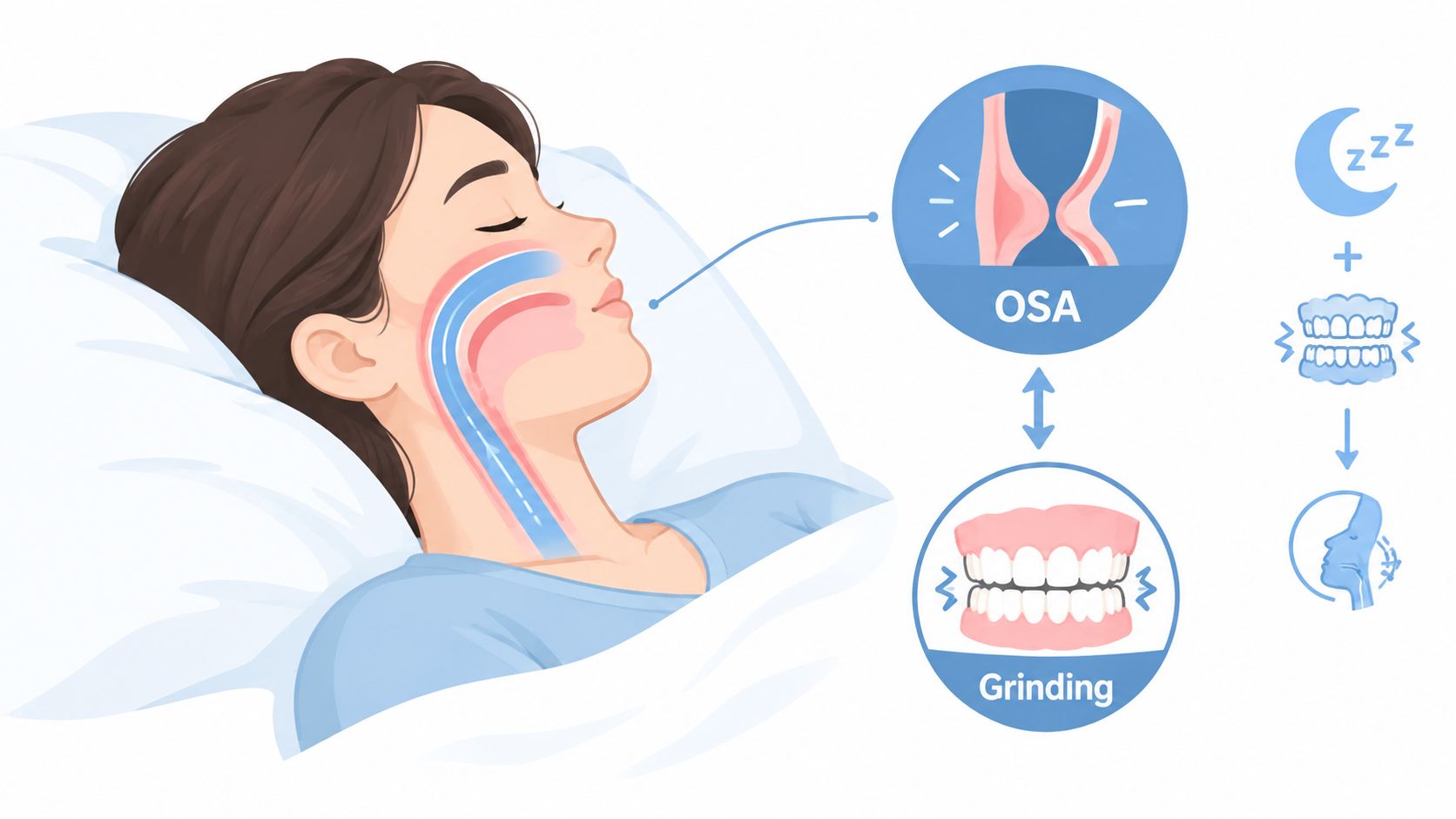
A patient may wake with sore jaw muscles and worn teeth while the underlying trigger occurs during sleep. Grinding can accompany fragmented sleep, airway resistance, or repeated breathing-related arousals. Focusing only on the jaw can therefore miss a condition that needs separate assessment.
Why the connection matters
A recent NIH review links obstructive sleep apnea with increased risks of bruxism, dry mouth, periodontal disease, temporomandibular joint disorders, palatal and dental changes, and altered taste sensation. The association does not mean that every person who grinds has sleep apnea. It does mean that persistent grinding deserves attention to sleep quality, breathing symptoms, and oral health together.
Snoring, waking unrefreshed, morning headaches, dry mouth, or witnessed pauses in breathing make a sleep evaluation more relevant. A mouthguard can reduce tooth contact and protect enamel, but it does not correct restricted breathing. Depending on the findings, care may combine dental protection, stress or behavior support, and referral for a sleep assessment.
When to book a consultation
Book an examination if you frequently wake with jaw pain, notice tooth wear, hear grinding during sleep, or remain tired after a full night in bed. Recurrent symptoms after home care also warrant assessment. The examination helps distinguish awake clenching, sleep bruxism, bite-related stress, and a possible sleep-breathing concern.
At Bristol Dental & Orthodontics, Dr. Andrew Finley can assess the wear pattern, discuss whether a custom appliance is appropriate, and help determine whether sleep-focused referral makes sense. For patients in Santa Ana and nearby Orange County communities, this stepwise approach avoids treating tooth protection as the entire solution.
If jaw soreness, worn teeth, or nighttime grinding continues, schedule a visit with Bristol Dental and Orthodontics. Dr. Finley and the team can review your symptoms, discuss custom protection, and assess whether sleep or stress may be contributing.