
Your child gets home from school, drops a backpack by the door, and heads straight for the kitchen. They're hungry, their teeth feel sore, and suddenly their usual apple, pretzels, or granola bar doesn't seem so easy to eat. You need something satisfying before homework or practice, without turning snack time into another source of worry.
Most children with fixed braces can still enjoy plenty of familiar foods. Soft, moist foods that break apart easily are usually more manageable than sticky, hard, crunchy, or chewy snacks. The American Association of Orthodontists' food guidance recommends avoiding textures that can damage appliances and preparing produce in smaller pieces or cooking it until softer.
The useful question isn't just whether a food is allowed. It's whether this particular serving is tender enough, easy to eat, and practical for your child's day.
A snack's name doesn't tell you everything. Check its texture, toppings, and the way your child will bite into it.
These snacks for kids with braces are general suggestions, not individualized dietary advice. Comfort and appliance needs differ, so bring questions about your child's situation to Dr. Andrew Finley at Bristol Dental & Orthodontics in Santa Ana.
Table of Contents
- 1. Greek Yogurt with Soft Fruit
- 2. Hummus with Steamed Vegetable Sticks
- 3. Cheese Cubes and String Cheese
- 4. Banana and Avocado Smoothies
- 5. Soft Whole-Grain Muffins and Oatmeal
- 6. Mashed Avocado on Soft Bread
- 7. Baked Sweet Potato Rounds
- 8. Egg Bites and Soft Frittata Cups
- How the 8 Braces-Friendly Snacks Compare
- Keeping Snacks Gentle While Braces Are in Place
1. Greek Yogurt with Soft Fruit

A rushed Santa Ana morning leaves little room for chewing, and a child in new braces usually wants something cold more than something crunchy. Plain Greek yogurt with mashed banana fits that gap: cool, soft, and ready before backpacks are zipped.
Stir the fruit through rather than leaving pieces on top. Ripe peach or mashed berries keep it varied without a crunchy topping.
For a school lunchbox or the ride home from practice, a single-serve cup travels well if it stays chilled. Send a small spoon and have your child eat seated; an open cup on a hurried walk invites spills and distracted bites.
Keep the toppings softer than the yogurt
A systematic review of diet during orthodontic treatment describes how shifting toward softer foods can change nutritional intake, including reduced fiber, so fruit belongs in the cup rather than traded away for softness.
- Quick bite test: Press the fruit against the bowl with the spoon; it should mash without a firm push.
- What to watch for on brackets: Berry seeds and fruit skins can cling to the hardware. Have your child rinse with water and check the mirror after eating.
I'd start with plain yogurt and let the fruit supply the sweetness, since honey and flavored cups still add sugar even when the snack looks wholesome. Frozen yogurt works as an occasional option once it softens to spoonable; skip the versions with nuts, candy pieces, or chewy caramel.
2. Hummus with Steamed Vegetable Sticks
Skip raw carrot sticks with fixed braces. Steam them until a fork slides through, then serve them with smooth hummus so the dipping routine stays familiar while the bite stays gentle.
The American Association of Orthodontists' preparation guidance treats modification as the practical middle ground, including chopping or cooking carrots. For this snack, tender pieces matter more than making a hard carrot smaller.
Steam until tender, then cool before packing
Cook carrot or zucchini sticks until they bend slightly and a fork slides through without a snap. Cut them short, let them cool, and pack the hummus separately so your child controls how much dip each piece carries.
For a Garden Grove school lunch, keep both containers chilled with an ice pack. On a slow Santa Ana morning or the ride home from practice, serve the vegetables warm or cool and keep the dip smooth.
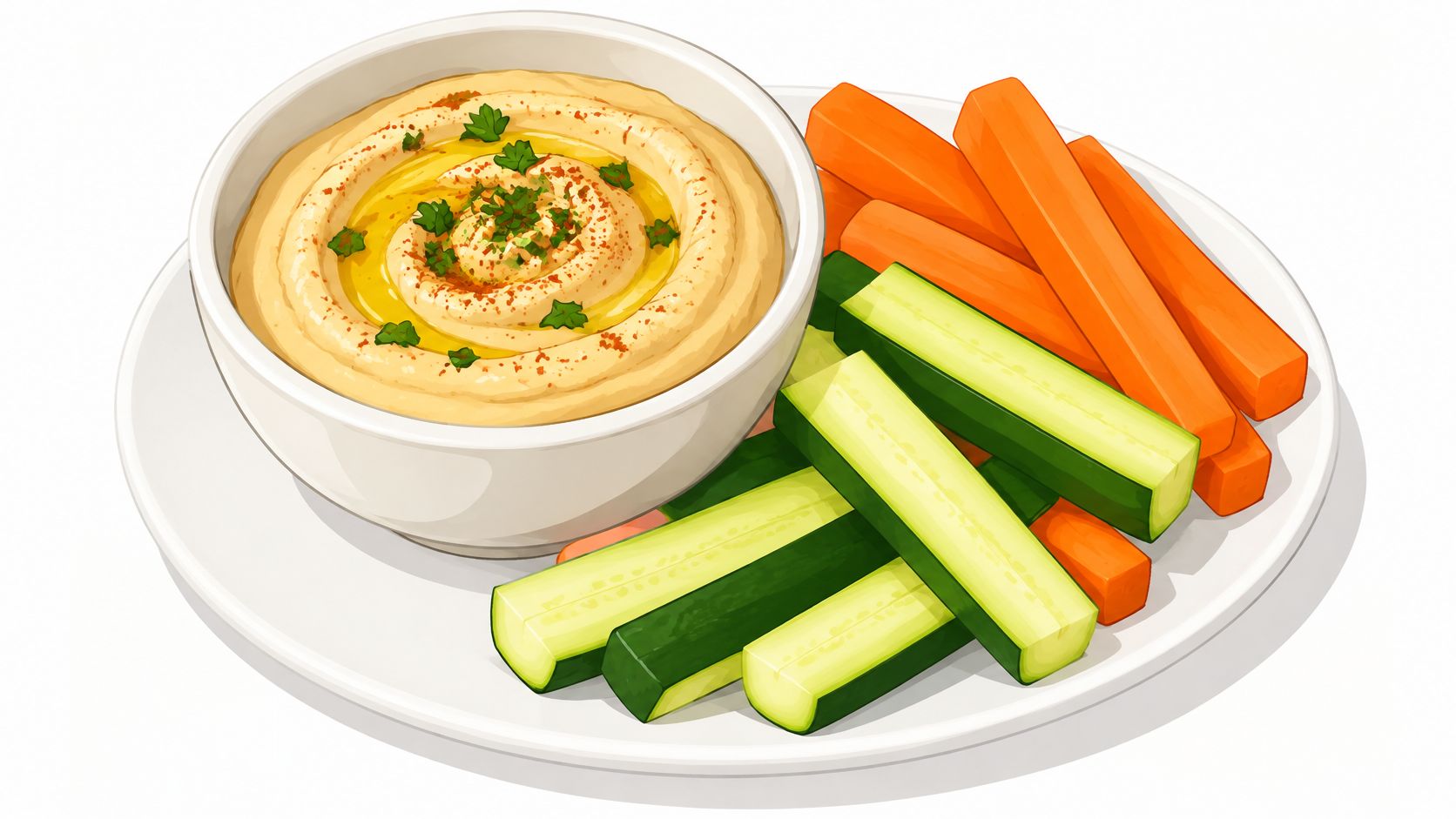
For the bite test, press one cooked stick against the plate with a fork; it should flatten before it breaks. Fresh cucumber needs the same test, so peel it first or choose cooked zucchini when it resists. On brackets, vegetable fibers and thick dip can settle around wires, so offer water and do a quick look afterward. If chickpeas are unpopular, use tender green beans with a smooth white bean dip, and check hummus labels for sesame and other allergens before packing.
3. Cheese Cubes and String Cheese
On a rushed afternoon, pull-apart mozzarella is easier to manage than a snack that needs blending, warming, or a spoon. It fits a chilled lunchbox and pairs well with soft pear pieces or banana when your child wants more than cheese alone.
Choose a tender cheese rather than a hard aged variety. Mild cheddar can work when it's soft enough, but a large refrigerated chunk may feel much firmer than expected. Cottage cheese offers a spoonable alternative on days when chewing feels uncomfortable.
A study of dietary experiences with fixed orthodontic appliances identified fear of breakage, pain, and sensitivity as reasons patients avoided foods, while hard candies, apples, and nuts were frequently associated with appliance breakage. That makes a manageable texture more helpful than telling a reluctant child to chew carefully.
Packing advice: Pull string cheese into thin pieces before packing if your child tends to bite across the whole stick.
For a Tustin afternoon with school followed by practice, keep the cheese chilled until snack time. Don't leave dairy sitting in a warm parked car.
- Quick bite test: A small piece should flatten easily between clean fingers. If it's rubbery or requires tugging, choose a softer option.
- What to watch for on brackets: Cheese can smear around bracket edges even when it isn't sweet. Rinse and inspect afterward.
- Pairing caution: Crackers aren't necessary. If you add them, avoid hard, crunchy varieties and follow your child's appliance instructions.
For dairy allergies, choose a different snack rather than assuming lactose-free cheese solves the problem. Lactose intolerance and milk allergy require different food choices.
4. Banana and Avocado Smoothies
A rushed Santa Ana breakfast can leave little time for a child to sit with food they're hesitant to chew. A smooth banana and avocado blend offers a spoonable or drinkable option without requiring a hard first bite.
Blend ripe banana, avocado, and plain yogurt or milk until completely smooth. Add spinach only if your blender can break it down fully; leafy strands shouldn't be floating through the finished drink. For variety, try avocado with ripe mango or berries with an appropriate unsweetened milk alternative.

Finish the smoothie instead of sipping all afternoon
The main trade-off is timing. An orthodontic white-spot lesion study found that adolescents who developed new lesions reported more sugary-food consumption than controls. A smoothie is better treated as a planned snack than a drink your child repeatedly returns to between school, homework, and practice.
- Quick bite test: Stir and inspect before serving. There shouldn't be ice chunks, frozen fruit pieces, or hard mix-ins.
- What to watch for on brackets: Berry seeds and leafy fibers may remain around wires. Blend thoroughly and rinse with water afterward.
- Serving approach: Offer a portion your child can finish during the snack break, then switch to water.
- Straw caution: If comfortable, direct a straw toward the back of the mouth, but don't treat it as a substitute for sensible timing or cleaning.
Keep prepared smoothies chilled. Almond milk isn't appropriate for a child with a relevant nut allergy, and milk alternatives aren't interchangeable nutritionally.
5. Soft Whole-Grain Muffins and Oatmeal
A muffin should bend and crumble gently, not crack across a hard top. That's the distinction to check when choosing a bakery snack for a child with braces.
Banana muffins made with applesauce and whole-wheat flour can be tender, but the recipe name alone doesn't establish the texture. Avoid hard sugar crusts, nuts, seeds, and crunchy granola toppings. Tear the muffin into small pieces instead of asking your child to bite through the entire top.
For an Irvine morning before school, creamy oatmeal may be easier than a muffin when teeth feel sensitive. Stir in mashed strawberries or soft peaches, and let it cool to a comfortable temperature.
Choose the version your child can manage today
Dietary guidance shouldn't result in an ever-shorter menu. An observational study of children receiving fixed orthodontic treatment describes changes in eating habits during treatment, supporting the value of continued dietary counseling rather than relying only on forbidden-food lists.
- Quick bite test: Press a muffin piece between your fingers; it should yield easily. Oatmeal should slide off the spoon without dry, chewy clumps.
- What to watch for on brackets: Muffin crumbs and oats can gather above or below brackets. Rinsing helps, but check whether brushing is needed.
- Batch-prep option: Freeze muffins individually and thaw completely before serving. Never offer a still-frozen center.
- No-refrigerator option: A plain, fully thawed muffin without a perishable filling can be more practical than dairy-based snacks.
Overnight oats are useful only if they're soft and kept chilled. If your child dislikes their chewy texture, cook the oats instead.
6. Mashed Avocado on Soft Bread
Avocado toast needs a small revision for braces: use soft bread, not crisp toast. Mash ripe avocado until smooth, spread it thinly, and cut the bread into manageable pieces.
For a quick snack before leaving Costa Mesa for practice, a soft tortilla roll-up may be less messy than an open-faced sandwich. Add finely shredded mild cheese if suitable, or keep it simple with avocado alone. A little soft, finely cut turkey is another option, but skip thick or chewy slices.
The NHS fixed-brace care leaflet advises against biting directly into firm foods with the front teeth and recommends small pieces chewed with the back teeth. That approach matters more than whether the package calls the bread soft.
Removing a hard crust helps, but it doesn't turn a dense, chewy bagel into an easy snack.
Check the bread as carefully as the filling
Choose ordinary soft sandwich bread or a flexible tortilla. If warming the tortilla makes the edges crisp, trim those edges or use a fresh, softer one.
- Quick bite test: Tear off a small piece. It should separate without stretching into a tough strip or breaking into sharp crumbs.
- What to watch for on brackets: Bread can form a sticky paste around wires, while avocado can hide beneath it. Check and clean afterward.
- Sensitive-day adjustment: Serve mashed avocado from a bowl if even soft bread feels uncomfortable.
- Flavor trade-off: Lemon or lime can slow browning, but use it lightly rather than making the snack sharply acidic.
Prepare avocado close to serving when possible. Keep versions containing cheese or turkey chilled, and don't ask a hungry child to work through a tough sandwich just because the filling is soft.
7. Baked Sweet Potato Rounds
Sweet potato rounds work well at home after practice, when your child wants a warm snack and you have time for a plate and fork. They're less convenient in a moving car, especially with a yogurt topping.
Bake or roast the sweet potato until the center is thoroughly tender. Slice into small rounds, remove any tough skin, and mash the pieces slightly for a child who's still adjusting to braces. Cinnamon or plain yogurt can add variety without turning the snack into a sticky dessert.
Aim for tender, not chip-like
The browned edges may be your favorite part, but crisp sweet potato chips aren't the same snack as soft baked rounds. If an edge feels leathery or crunchy, remove it rather than relying on your child to chew around it.
A review of oral-health factors during orthodontic treatment discusses the combined roles of diet, plaque retention, hygiene, and other preventive factors. The practical lesson is that a soft vegetable snack still needs an after-eating cleanup routine.
- Quick bite test: Press a fork through the thickest part. The center should squash easily, without a firm core.
- What to watch for on brackets: Sweet potato fibers can bridge the spaces around wires. Rinse, inspect, and remove remaining food with the cleaning tools recommended for your child.
- Batch-prep approach: Refrigerate cooked portions promptly in a sealed container and reheat until safely warmed.
- Easy alternative: Mash the sweet potato into a small cup when rounds require more chewing than your child wants.
Keep the seasoning familiar at first. A child who already feels uncertain about eating may accept a plain, predictable texture more readily than a heavily topped snack.
8. Egg Bites and Soft Frittata Cups
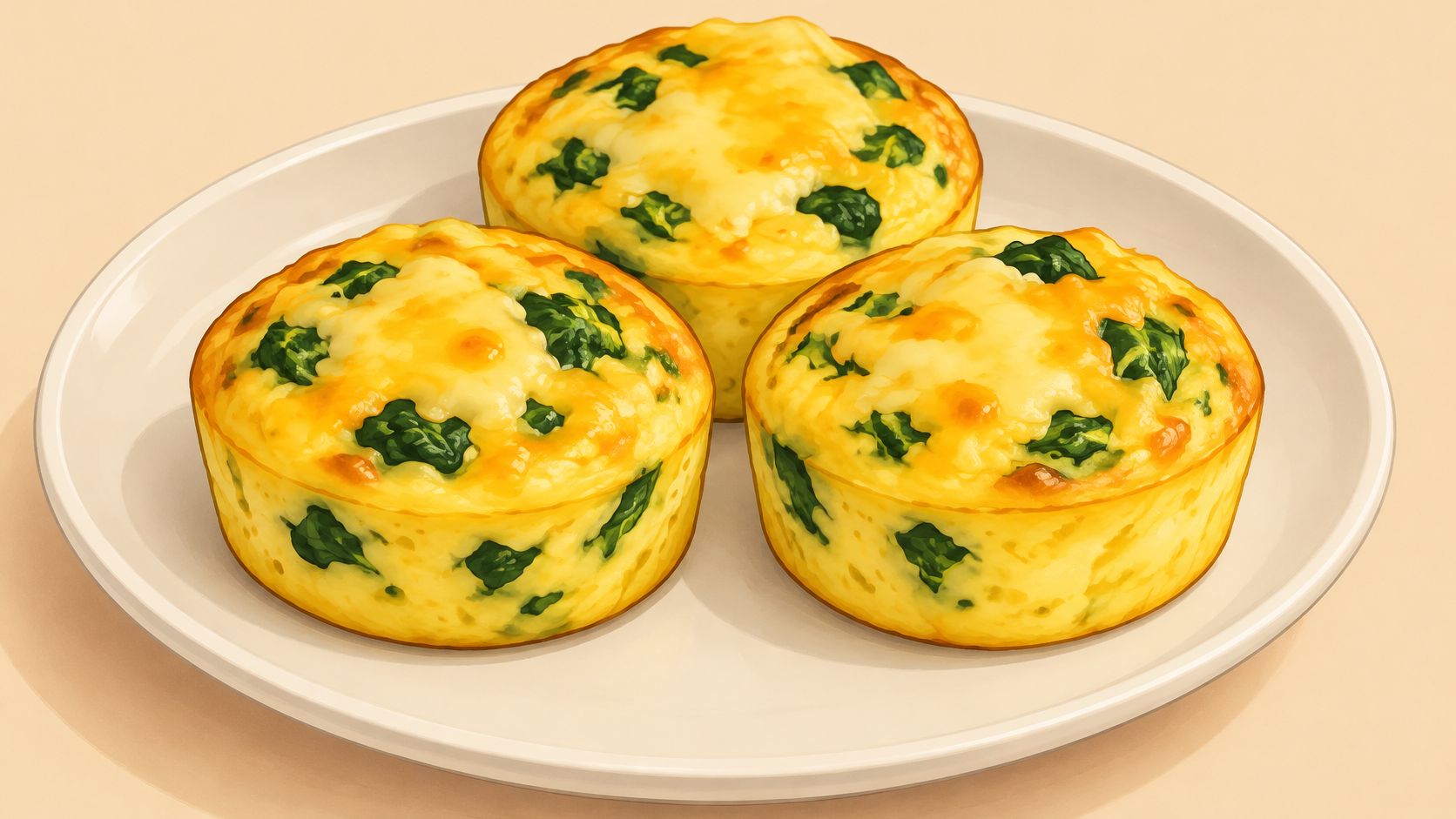
For a child who prefers savory foods, tender egg bites offer a change from yogurt, fruit, and oatmeal. Bake whisked eggs with finely chopped cooked spinach, soft zucchini, or mild cheese in a muffin tin.
The important preparation step happens before baking: cook firm vegetables until tender and chop them finely. Large pieces of raw pepper or tough vegetable stems can make an otherwise soft egg cup difficult to manage.
Pack them as a chilled food, not a pantry snack
Egg bites fit a school lunchbox with an ice pack or a seated snack before the drive home from practice. Keep them refrigerated until packing, and use an insulated container rather than leaving them loose in a backpack.
Bake until fully cooked and just set, avoiding dry, browned edges. Reheat gently so the eggs don't become rubbery, and cut into small pieces before serving.
- Quick bite test: A fork should divide the egg bite without sawing. Check the vegetables inside, not just the egg around them.
- What to watch for on brackets: Spinach strands and browned cheese edges can catch around hardware. Chop leaves finely and skip crisp cheese crusts.
- Simple pairing: Add soft peach or pear pieces for variety.
- Texture adjustment: If baked eggs feel too springy, try soft scrambled eggs served from a bowl instead.
Egg and dairy allergies may rule out familiar recipes. Use a snack that fits your child's established dietary needs rather than experimenting with an unfamiliar substitute on an already uncomfortable day.
How the 8 Braces-Friendly Snacks Compare
Every snack on this list passes the texture test. The difference is where each one fits in a Santa Ana day, since a snack that works at the kitchen table may fail in a moving car or a backpack without a cold pack.
| Item | Rushed breakfast | School lunchbox | Car ride home | Eaten with |
|---|---|---|---|---|
| Greek Yogurt with Soft Fruit | Yes, if already portioned | Needs a cold pack | Skip it; cups and spoons don't survive turns | Spoon |
| Hummus with Steamed Vegetable Sticks | Works if prepped the night before | Strong pick; pack dip and vegetables separately | Risky; open dip tips easily | Fingers, plus a napkin |
| Cheese Cubes and String Cheese | Yes; grab straight from the fridge | Reliable; holds for hours in an insulated bag | Strong pick; no utensils, minimal mess | Fingers |
| Banana and Avocado Smoothies | Strong pick; blend while lunches get packed | Works in a sealed thermos | Fine in a lidded cup once you're moving | Straw or cup |
| Soft Whole-Grain Muffins and Oatmeal | Strong pick; oatmeal stays home, muffins travel | Muffins only | Muffins in a wrapper; expect crumbs on the seat | Fingers or spoon |
| Mashed Avocado on Soft Bread | Yes, if assembled ahead | Holds if wrapped snugly | Skip it; bites need two hands and a steady seat | Two hands |
| Baked Sweet Potato Rounds | Only if baked ahead and cooled | Works cooled in a container | Fine cooled; soft rounds hold their shape | Fingers or fork |
| Egg Bites and Soft Frittata Cups | Yes, reheated and cut small | Needs an insulated container | Better seated before the drive | Fork, in small pieces |
Most families do well with three regulars: one lunchbox standby, one car snack, and one fast breakfast. Cheese cubes cover the most situations with the least preparation, while hummus and avocado toast reward a quieter moment at a table. Rotate the rest on weekends, when there's time for a fork and a seat.
Keeping Snacks Gentle While Braces Are in Place
The most useful snack routine is one your child can follow without feeling anxious about every bite. Prepare small pieces and leave out sticky, hard, crunchy, or very chewy additions. A familiar food often becomes more manageable with a change in preparation, though cutting something smaller doesn't always make a hard texture appropriate.
The NHS guidance on braces recommends limiting sugary foods and drinks and avoiding foods that can break appliances. That means checking more than chewing comfort: a sweetened smoothie, soft muffin, or flavored yogurt can still deserve limits even though it goes down easily.
A practical family habit: Serve the snack, let your child finish, then put food away and offer water rather than leaving sweet snacks available for continuous grazing.
Timing matters as much as texture.
For Santa Ana and Orange County families, planning around the day helps. Pack chilled foods properly for a school lunchbox, choose less messy options for the car ride home from practice, and save warm oatmeal or mashed sweet potato for a seated snack at home on a rushed morning. If there's no reliable refrigeration, leave yogurt and egg bites out of the plan rather than hoping they hold up.
After sweet items, have your child rinse with water and brush as appropriate for their care instructions. Brushing and cleaning between teeth are still necessary after rinsing. Look around bracket edges for food that remains, and avoid picking at wires with sharp objects.
Persistent pain, fear of chewing, weight loss, or a steadily narrowing food list deserves a conversation with the treating dental team. A loose bracket or poking wire also needs attention rather than another round of food restrictions. Don't assume your child just needs to tolerate increasing difficulty.
Bristol Dental & Orthodontics provides orthodontic care for patients of all ages at its Santa Ana office on South Bristol Street, serving families from surrounding Orange County communities. The team can review which textures fit your child's appliances, comfort, and daily routine.
Bristol Dental & Orthodontics offers family dentistry and orthodontic care for children and adults in Santa Ana. If snack choices, chewing discomfort, or braces care are raising questions at home, visit Bristol Dental and Orthodontics to request a consultation with Dr. Andrew Finley.