
Is your smile telling you something more?
A straight, confident smile matters to many people. But the signs you need braces often point to more than appearance alone. Teeth and jaws that don't line up well can affect chewing, speech, comfort, cleaning, and in some cases even sleep quality.
That's why orthodontic concerns deserve attention early, whether you're noticing changes in your child, your teen, or your own bite as an adult. Malocclusion is common enough that the World Health Organization classifies it as the third most common oral health condition and estimates that about 56% of the global population has some form of it, according to this orthodontic overview of common braces warning signs. In other words, these issues are common clinical concerns, not rare problems or purely cosmetic ones.
At Bristol Dental & Orthodontics, Dr. Andrew Finley and our team help Santa Ana families understand what they're seeing and when it makes sense to get an orthodontic evaluation. Below are eight signs that may mean it's time to look more closely.
Table of Contents
- 1. Clearly Overlapping or Crowded Teeth
- 2. Noticeable Gaps or Spaces Between Teeth
- 3. Difficulty Biting or Chewing
- 4. Overbite, Underbite, or Crossbite
- 5. Frequent Jaw Pain or Clicking (TMD Symptoms)
- 6. Mouth Breathing or Speech Issues
- 7. Teeth That Don't Touch (Open Bite)
- 8. Protruding Teeth ('Buck Teeth')
- 8-Point Comparison: Signs You Need Braces
- Your Next Step to a Healthier Smile in Orange County
1. Clearly Overlapping or Crowded Teeth
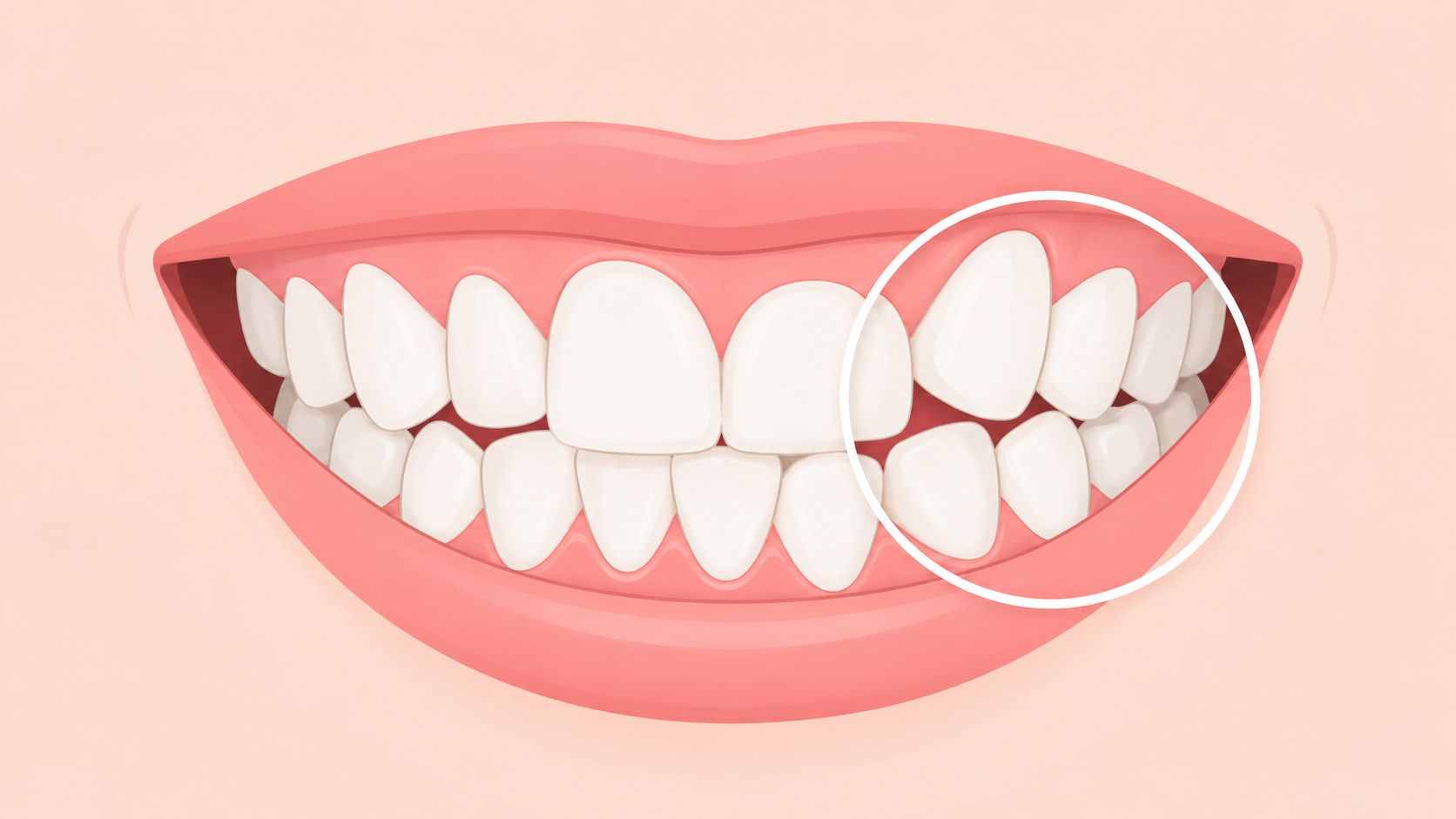
Do some teeth look like they are competing for the same space? Crowding is one of the clearest signs that the teeth and jaws are not lining up in a healthy way.
Patients often notice the cosmetic side first. What matters just as much is function. Teeth that overlap or twist are harder to brush and floss well, especially near the gumline, so plaque tends to collect in the same tight spots day after day. Over time, that can make routine home care more frustrating and can increase the chance of cavities, inflamed gums, and uneven wear.
I also tell families not to treat crowding as an appearance-only issue. In some patients, a narrow arch or crowded bite can show up alongside mouth breathing, restless sleep, jaw tension, or speech habits that deserve a closer look. Braces are not a cure for every airway or jaw problem, but orthodontic evaluation can help identify whether tooth position and bite are part of the bigger picture.
Why crowding matters beyond appearance
Early crowding in a child does not always mean treatment starts right away. It does mean the bite is worth monitoring. In adults, crowding often becomes more noticeable because cleaning gets harder, one tooth keeps shifting, or lower front teeth begin to overlap more with age.
The trade-off is straightforward. Waiting may be reasonable for mild cases that are stable and easy to keep clean. Waiting can also allow crowding to worsen, which may limit options or make treatment take longer later on.
At Bristol Dental & Orthodontics, a discussion about Invisalign and orthodontic treatment can help patients compare options based on age, lifestyle, and how much correction is needed.
- Check the gumline: Overlap near the gums often creates the hardest areas to clean.
- Notice repeat trouble spots: If floss catches, shreds, or will not slide through one area, crowding may be contributing.
- Watch for related symptoms: Jaw soreness, mouth breathing, or unclear speech can point to a bite issue that deserves attention.
- Pay attention to changes over time: Teeth that seem more crowded than they were a few years ago should be evaluated.
Practical rule: If crowded teeth are making daily cleaning harder, or they are coming with jaw, speech, or sleep-related concerns, it is a good time to schedule an orthodontic evaluation.
2. Noticeable Gaps or Spaces Between Teeth
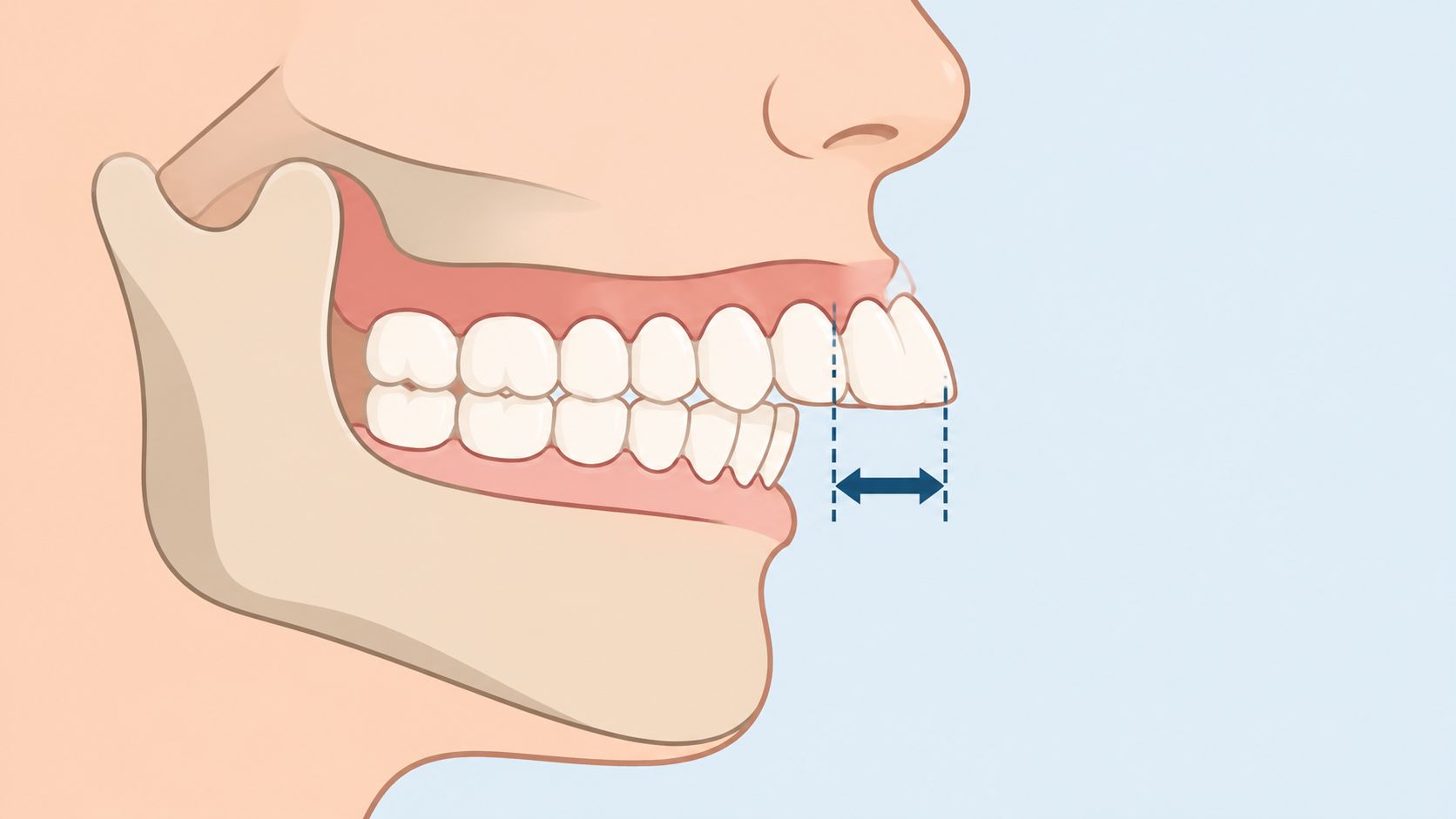
Do spaces between teeth seem like a cosmetic issue only? Sometimes they are minor and stable. Sometimes they point to a larger orthodontic problem that affects chewing, speech clarity, long-term tooth position, or treatment planning after a missing tooth.
A gap can develop for several reasons. The teeth may be smaller relative to the jaw, a tooth may be missing, the bite may not line up well, or tongue pressure may keep pushing teeth apart over time. In children and teens, spacing may be part of growth. In adults, new spacing often deserves a closer look, especially if it appeared after tooth loss or gradual shifting.
What matters most is the pattern behind the space. A single small gap may be harmless. Multiple spaces, changes over time, or spacing paired with mouth breathing, speech changes, or an uneven bite suggest that orthodontic health may be affecting overall wellness, not just appearance.
When a gap needs more than a quick cosmetic fix
I often remind patients that closing a space is not always the first decision. The first decision is finding the cause. If a missing tooth created the gap, the nearby teeth may need to be moved into better position before any replacement is considered. If tongue posture is part of the problem, closing the space without addressing the habit can make relapse more likely.
Retention matters here. Spaces have a tendency to reopen, especially in the front teeth, so keeping them closed usually takes a clear long-term plan.
A visible gap may be the sign patients notice first. The underlying issue may involve bite balance, speech, airway habits, or planning for future dental work.
A common example is the patient who wants bonding for one front gap because the rest of the smile looks fine. Sometimes that is a reasonable choice. Sometimes orthodontic treatment is the better first step because it corrects the spacing pattern and creates a more stable result.
- Look for recent changes: A new gap in an adult often means teeth are drifting, and that deserves evaluation.
- Notice speech or tongue habits: A lisp or tongue pressure against the front teeth can be related to spacing.
- Ask about the full plan: Treatment may involve sequencing orthodontics with restorative or cosmetic care.
- Plan for retention from the start: Keeping a space closed is part of treatment, not an afterthought.
3. Difficulty Biting or Chewing
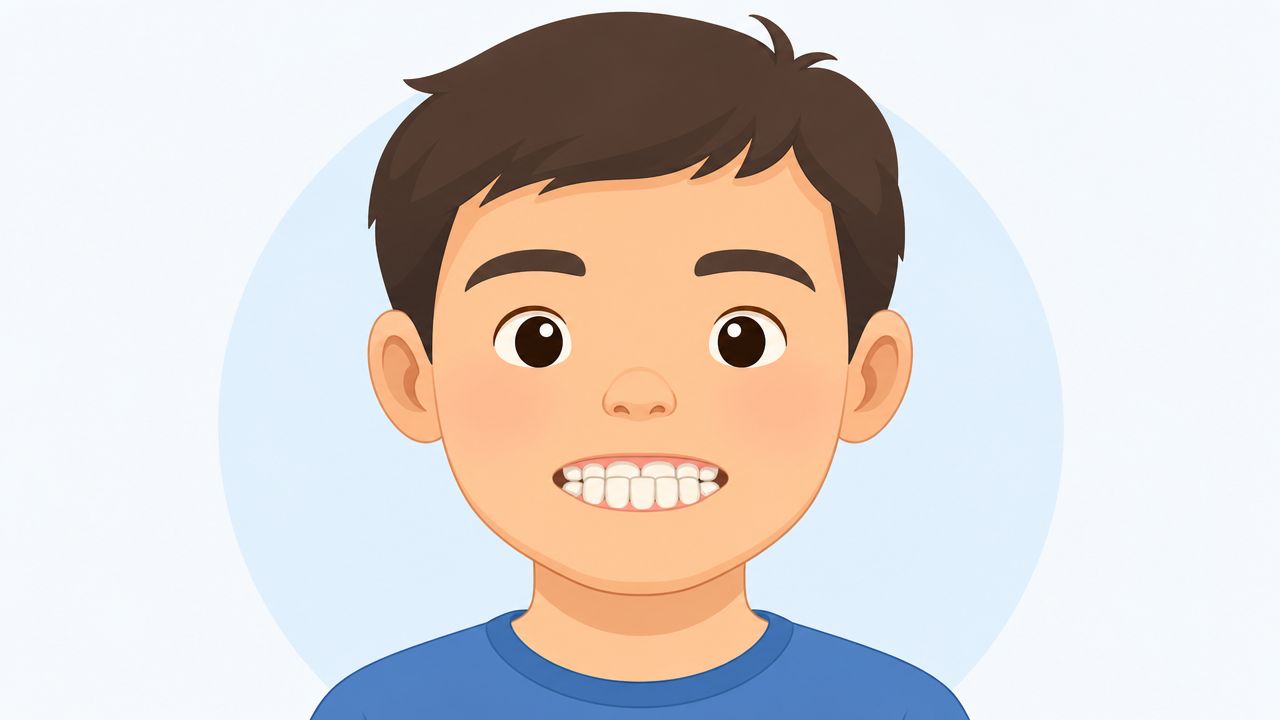
Do you find yourself tearing food with your hands because biting into it feels awkward? That kind of workaround often points to a bite problem, not just a preference.
Some patients notice it with apples, sandwiches, or pizza. Others chew on one side without meaning to, or feel as if the front teeth never quite meet food the way they should. Those patterns matter because chewing should be stable, comfortable, and reasonably balanced.
Trouble chewing can affect more than meals
An uneven bite puts extra force on certain teeth and asks the jaw muscles to compensate. Over time, that can show up as tooth wear, soreness after eating, or fatigue in the jaw. In some families, this is one of the first signs that orthodontic care would improve daily function, not just appearance.
I also pay attention to the bigger wellness picture. If a child avoids chewing well, speaks around the way the teeth come together, or keeps the mouth open at rest, the issue may overlap with airway habits and sleep quality. In adults, an inefficient bite can sit alongside clenching, poor sleep, or morning jaw tension. Braces are not a treatment for every one of those problems, but correcting tooth position can remove one source of strain.
Treatment depends on the cause. Some patients need braces to improve how the teeth fit together. Others may need a broader plan that also accounts for jaw symptoms, oral habits, or restorative work.
- Notice whether you favor one side: That can mean your bite is not making even contact.
- Mention foods you avoid: Specific examples help more than saying your teeth feel "off."
- Pay attention to jaw fatigue: Soreness after chewing is useful information during an orthodontic exam.
- Watch for family patterns: If a child has chewing trouble along with mouth breathing or unclear speech, it deserves a closer look.
4. Overbite, Underbite, or Crossbite
These terms describe how your upper and lower teeth fit together. They're common words, but they refer to very real mechanical problems. An overbite may make the upper front teeth sit too far ahead or too far over the lower teeth. An underbite reverses that relationship. A crossbite means some upper teeth sit inside the lower teeth instead of outside them.
Each one changes how force travels through the teeth and jaw. That's why these issues can show up as wear, discomfort, uneven chewing, or speech changes, not just as a smile concern.
Why timing matters with bite problems
This is especially important in children. Early evaluation doesn't mean every child needs braces right away. It means growth patterns can be monitored while the jaws are still developing, which can make planning more precise.
For a family in Santa Ana or Garden Grove, a crossbite in a growing child may call for a different conversation than the same issue in an adult. Younger patients sometimes benefit from growth-guided approaches or expansion. Adults may still get excellent results, but treatment can be less about guiding development and more about correcting established positions.
Clinical insight: Bite problems are easier to ignore than crowding because they may look subtle in photos. They matter more than many patients think because they change how the entire bite functions.
If your child closes into a shifted bite, or if your own front teeth seem to meet in an unusual way, it's worth having Dr. Finley evaluate it. Treatment may involve braces, Invisalign, or other orthodontic appliances depending on age and anatomy.
5. Frequent Jaw Pain or Clicking (TMD Symptoms)
Does your jaw click when you chew, yawn, or first wake up in the morning? That sound may be harmless on its own, but jaw noise paired with pain, muscle fatigue, headaches, or a bite that feels “off” deserves attention.
Patients often describe pressure near the ears, tightness through the cheeks, soreness after meals, or tension that builds by the end of the day. Some notice they avoid certain foods because chewing feels tiring. Others wake up with jaw tenderness and assume stress is the only cause.
What jaw symptoms may be signaling
Jaw discomfort can come from more than one source. Bite imbalance may contribute. Clenching and grinding can overload the muscles and joints. Poor sleep and strained nighttime breathing can also show up as morning headaches, facial tension, or a jaw that feels overworked.
That broader health connection matters. Orthodontic problems are not always just about straight teeth. In some families, the first clue is a child with chewing fatigue or an adult with chronic jaw tightness who also sleeps poorly.
Orthodontic treatment can help some patients by improving how the teeth fit together and reducing uneven pressure on the bite. It does not fix every TMD case. Joint inflammation, muscle-driven pain, and airway-related habits may call for a wider treatment plan.
Clinical insight: A painless click that stays stable is different from clicking that comes with soreness, limited opening, headaches, or a bite that seems to be changing.
A good evaluation looks at the full pattern, not one symptom in isolation. Dr. Finley considers how the teeth meet, how the jaw moves, when the discomfort shows up, and whether sleep or clenching may be part of the picture. That kind of exam helps families avoid guessing and choose the right next step.
- Mention when the pain happens: Morning soreness, chewing fatigue, and evening tension can point to different causes.
- Track changes in your bite: Teeth that suddenly meet differently should not be ignored.
- Bring up sleep symptoms too: Snoring, restless sleep, and waking headaches can add context.
- Expect individualized recommendations: Some cases improve with braces or Invisalign. Some need combined care.
6. Mouth Breathing or Speech Issues
Could braces be part of the reason a child sleeps with their mouth open or struggles with certain sounds?
They can be. The way the teeth fit together, the width of the dental arches, and whether the lips close comfortably at rest all affect daily function. In practice, this is one of the signs families miss most often because breathing and speech do not always look like orthodontic concerns at first.
Mouth breathing deserves attention because it can overlap with bigger wellness issues. A child who always has dry lips, snores, or wakes up tired may be dealing with more than tooth alignment alone. An adult who notices speech changes after the front teeth shift may be seeing the effect of bite changes, tongue posture, or both.
Orthodontic treatment can help in some cases by improving tooth position and lip closure. It does not solve every cause of mouth breathing or every speech issue. Enlarged tonsils, nasal obstruction, tongue habits, and airway concerns may also need to be addressed. That trade-off matters, especially for families trying to understand whether the problem is cosmetic, functional, or both.
Dr. Finley evaluates the full pattern. He looks at how the teeth meet, how the lips rest, whether the tongue has enough space, and whether sleep symptoms belong in the conversation. That broader view helps Santa Ana families avoid chasing one symptom at a time.
A few signs are worth mentioning at your visit:
- Chronic mouth-open posture: Especially during quiet activities, sleep, or rest.
- Speech changes or frustration: Lisping, unclear sounds, or new difficulty with certain words.
- Sleep-related clues: Snoring, restless sleep, dry mouth, or waking unrefreshed.
- Lip strain: A child who has to work to keep the lips together may need an orthodontic evaluation.
These concerns are often connected. Straightening teeth can improve appearance, but the bigger goal is better function, better comfort, and in some cases, better sleep quality too.
7. Teeth That Don't Touch (Open Bite)
An open bite means some upper and lower teeth don't meet when the mouth closes. This is often observed in the front, where there's a visible gap even when the back teeth come together. This can make biting into foods difficult and can also affect speech and lip closure.
Open bites often have a backstory. Thumb-sucking, extended pacifier use, tongue thrust, and long-standing oral posture patterns can all contribute. That history matters because moving the teeth without addressing the habit usually isn't enough.
Open bites often need more than tooth movement alone
Trade-offs become important. Braces or Invisalign can move teeth into better alignment, but if the tongue continues pressing against the front teeth or the original habit remains active, stability becomes harder to maintain.
For younger children, breaking the habit early may reduce how much treatment is needed later. For older kids and adults, treatment often works best when tooth movement is paired with behavior change, monitoring, and sometimes myofunctional support.
A common scenario is the teen who can't bite into noodles, sandwiches, or pizza with the front teeth and has adapted by tearing food instead. Another is the adult who had braces years ago but sees the front teeth separating again. Those are both strong reasons to get evaluated.
Successful open-bite treatment depends on two things. Correcting the position, and controlling the cause.
Retention also matters here more than many patients expect. Open bites can relapse if the underlying forces are still present.
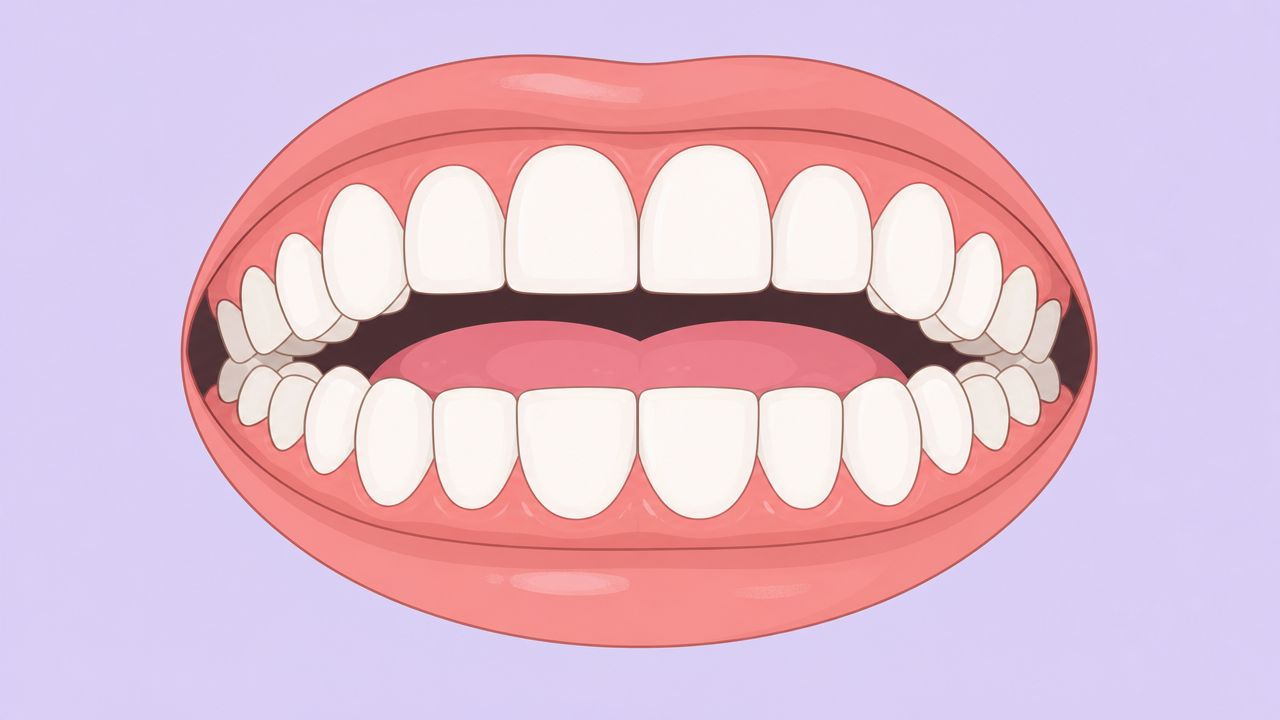
8. Protruding Teeth ('Buck Teeth')
Are front teeth sticking out farther than they should, and making you wonder whether the issue is cosmetic or something more?
Teeth that project forward, especially the upper front teeth, are often called “buck teeth.” Families usually notice the look first. In practice, I pay close attention to function and protection. Teeth that sit too far forward are easier to injure during sports, falls, or even routine bumps at home or school.
They can also change how the lips rest and how the mouth closes. If the lips stay apart at rest, the teeth dry out more easily, and that can add to irritation and oral health concerns over time. In some patients, prominent front teeth also show up alongside mouth breathing, speech differences, or a bite pattern that affects sleep quality. That broader picture matters, especially for growing children.
Early evaluation can reduce risk
A child with protruding front teeth may not “grow out of it.” Sometimes the issue is limited to tooth position. Sometimes it reflects a larger jaw relationship that benefits from treatment at the right stage of development. The timing affects what options are available and how involved treatment may need to be later.
For teens and adults, the concerns often shift. Confidence matters, but so do comfort and day-to-day function. Patients often mention difficulty keeping the lips together without strain, feeling self-conscious in photos, or worrying about damaging the front teeth. Clear aligners can help in some cases, while others respond better to braces or a more structured orthodontic plan. The best choice depends on how far the teeth protrude, how the bite fits together, and whether the jaw position is part of the problem.
Adults are seeking orthodontic care more often than they used to, and many are surprised to learn that protruding teeth can still be corrected later in life. I also see adults whose teeth have shifted after earlier treatment, especially if retainers were not worn consistently.
For families in Santa Ana and nearby Orange County communities, the right time for an evaluation is usually when protruding teeth start affecting safety, lip closure, speech, or confidence. A well-timed orthodontic exam can clarify whether the concern is mainly cosmetic or part of a larger issue involving bite function, airway health, or long-term tooth protection.
8-Point Comparison: Signs You Need Braces
| Condition | Treatment complexity | Resource requirements | Expected outcomes | Ideal use cases | Key advantages |
|---|---|---|---|---|---|
| Clearly Overlapping or Crowded Teeth | Moderate; may need extractions or orthodontics | Regular ortho visits, braces or clear aligners, retainers; 12–36 months | Aligned teeth, improved oral hygiene, reduced decay risk | Crowding from limited jaw space in children & adults | Better hygiene, aesthetic improvement, long-term stability with retention |
| Noticeable Gaps or Spaces Between Teeth | Low–Moderate; often straightforward orthodontic closure | Braces/aligners, possible restorative work or implants, retainers | Closed spaces, improved bite and smile symmetry | Diastema, missing-teeth spaces, prepping for implants | Enhanced esthetics, improved function, easier implant placement |
| Difficulty Biting or Chewing | Moderate–High; may require comprehensive or surgical care | Full evaluation, orthodontics, possible TMJ management or surgery | Restored chewing function, reduced enamel wear and pain | Functional malocclusion with uneven wear or chewing pain | Restores function, protects teeth, relieves jaw strain |
| Overbite, Underbite, or Crossbite | Moderate–High; depends on dental vs skeletal origin | Orthodontics, appliances (expanders), possible orthognathic surgery | Improved jaw relationships, function, and facial balance | Skeletal/dental discrepancies; early treatment in growing patients | Prevents long-term damage, improves occlusion and appearance |
| Frequent Jaw Pain or Clicking (TMD Symptoms) | Variable; multidisciplinary approach often needed | Diagnostic imaging, occlusal therapy, orthodontics, specialist referrals | Potential symptom reduction if bite-related; variable outcomes | Chronic TMD symptoms suspected to stem from malocclusion | May reduce pain and improve jaw function when bite contributes |
| Mouth Breathing or Speech Issues | Moderate; often combines dental and therapeutic care | Orthodontic appliances, myofunctional therapy, ENT/speech referrals | Improved airway function, speech, and oral posture | Children with narrow arch, open bite, or speech impediments | Addresses functional causes, supports breathing and development |
| Teeth That Don't Touch (Open Bite) | High; habit therapy plus orthodontics, sometimes surgery | Orthodontics, habit-breaking appliances or therapy, possible surgery | Restored anterior contact, better chewing and speech; relapse risk if habits persist | Open bite from thumb-sucking, tongue thrust, or skeletal causes | Restores function and speech, improves eating ability |
| Protruding Teeth ('Buck Teeth') | Moderate; retraction via braces/aligners, sometimes extractions | Orthodontic treatment, attachments/bands, retainers; possible extractions | Retracted incisors, improved lip closure, lower trauma risk | Prominent upper incisors, risk of injury, cosmetic concerns | Protects teeth from trauma, improves appearance and lip posture |
Your Next Step to a Healthier Smile in Orange County
Could the bite or breathing issue you have learned to live with be affecting more than your smile?
That is often the key question. Crooked or crowded teeth are easy to notice, but orthodontic problems can also show up as worn teeth, jaw tension, speech trouble, restless sleep, or chronic mouth breathing. What feels normal day to day may still be placing extra stress on the teeth, gums, jaw joints, and airway.
A proper evaluation gives you answers that online checklists cannot. Some patients benefit from treatment soon. Others do better with observation, habit correction, or a phased plan timed around growth. The right recommendation depends on how the teeth fit together, how the jaws are developing, whether symptoms are present, and what matters most to your family.
Braces vs. Invisalign: Which is right for you?
Both can work well. Braces give steady control and are often the better choice for more involved bite correction, significant rotations, or cases where full-time cooperation may be difficult. Invisalign appeals to many teens and adults because it is less noticeable, but success depends on wearing the aligners as directed and choosing cases that respond well to that system.
Frequently Asked Questions About Orthodontics
- At what age should my child see an orthodontist? An orthodontic screening around age 7 helps identify growth, bite, and eruption concerns early. Early screening does not automatically mean early braces. It helps us decide whether to monitor development or intervene before a small problem becomes harder to correct.
- Am I too old for braces? No. Adults often come in because of crowding, shifting teeth, jaw discomfort, bite changes, or long-standing concerns they are finally ready to address. If the teeth and gums are healthy enough, age is usually not the limiting factor.
- How long will treatment take? Treatment time depends on the diagnosis. Straightening a few teeth is different from correcting an open bite, crossbite, jaw imbalance, or airway-related issue. The best estimate comes after an exam, not from a generic timeline.
If you have noticed crowding, gaps, bite problems, jaw clicking, mouth breathing, speech changes, or teeth that have shifted over time, it makes sense to have Dr. Finley evaluate the full picture. That includes children in Santa Ana and adults throughout Orange County who want to understand whether the issue is cosmetic, functional, or both.
At Bristol Dental & Orthodontics, patients receive a clear explanation of what is happening, what may improve with treatment, and what the trade-offs look like. Some cases are straightforward. Others involve growth, habits, airway concerns, or joint symptoms that need careful planning. The goal is honest guidance, not pressure, and treatment recommendations should always come from an in-person evaluation of your specific needs.
If you are seeing these signs in yourself or your child, schedule a consultation with Dr. Finley and the team. We provide orthodontic, cosmetic, restorative, and family dental care in Santa Ana, and we are proud to care for families across Orange County.