

The night before braces, a lot of families do the same thing. A parent asks, “Do you think it'll hurt?” A teen checks their smile in the bathroom mirror. Someone wonders whether school the next day will feel normal, whether lunch will be annoying, and whether sleep will be rough that first night.
That mix of excitement and nerves is completely normal. Getting braces is a big step, and for many families in Santa Ana, Costa Mesa, Tustin, Irvine, and Garden Grove, the biggest questions aren't really about the long term. They're about the next few hours. What will the appointment feel like? What happens when the numb, strange, new feeling wears off? Can you still go to class, do homework, play sports, or get through work without feeling miserable?
At Bristol Dental & Orthodontics, families usually feel better once they know what first day braces involves. The early stage is less dramatic than many people expect, but it does take some planning. The good news is that there's a very predictable adjustment period, and patients often settle in faster than they feared.

Table of Contents
- Introduction Welcome to Your Orthodontic Journey
- What Happens at Your Braces Placement Appointment
- The First Few Hours Sensations and Side Effects
- A Practical Guide to Eating and Cleaning
- Managing Discomfort and Daily Life
- Your Next Steps and When to Call Us
Introduction Welcome to Your Orthodontic Journey
For most patients, the first day isn't the scary part they imagined. It's more like a new-shoes moment for your mouth. Things feel different. You notice every bracket. Your lips and cheeks are aware of something new. Then, later, your teeth begin to feel tender as they start adjusting.
That's why it helps to think of first day braces as an adjustment period, not a pain event. Families often expect the placement appointment to be the hard part, but the bigger challenge is usually practical. You're figuring out dinner, brushing, sleep, and whether the next day will feel manageable.
Most people do better when they know what's normal before they feel it.
For parents, this matters because schedules are already full. If your child has class, practice, tutoring, or a big test coming up, you want a realistic sense of how disruptive the first day might be. If you're an adult getting braces, you may be thinking about meetings, talking all day, or whether lunch at work will be awkward.
Orthodontics is one part of a bigger picture. A healthier smile can make daily care easier, and many families who come in for braces also ask about options like Invisalign at Bristol Dental & Orthodontics, cosmetic dentistry, or even restorative care for parents. It's common for one family member's orthodontic visit to start a broader conversation about dental health at home.
What Happens at Your Braces Placement Appointment
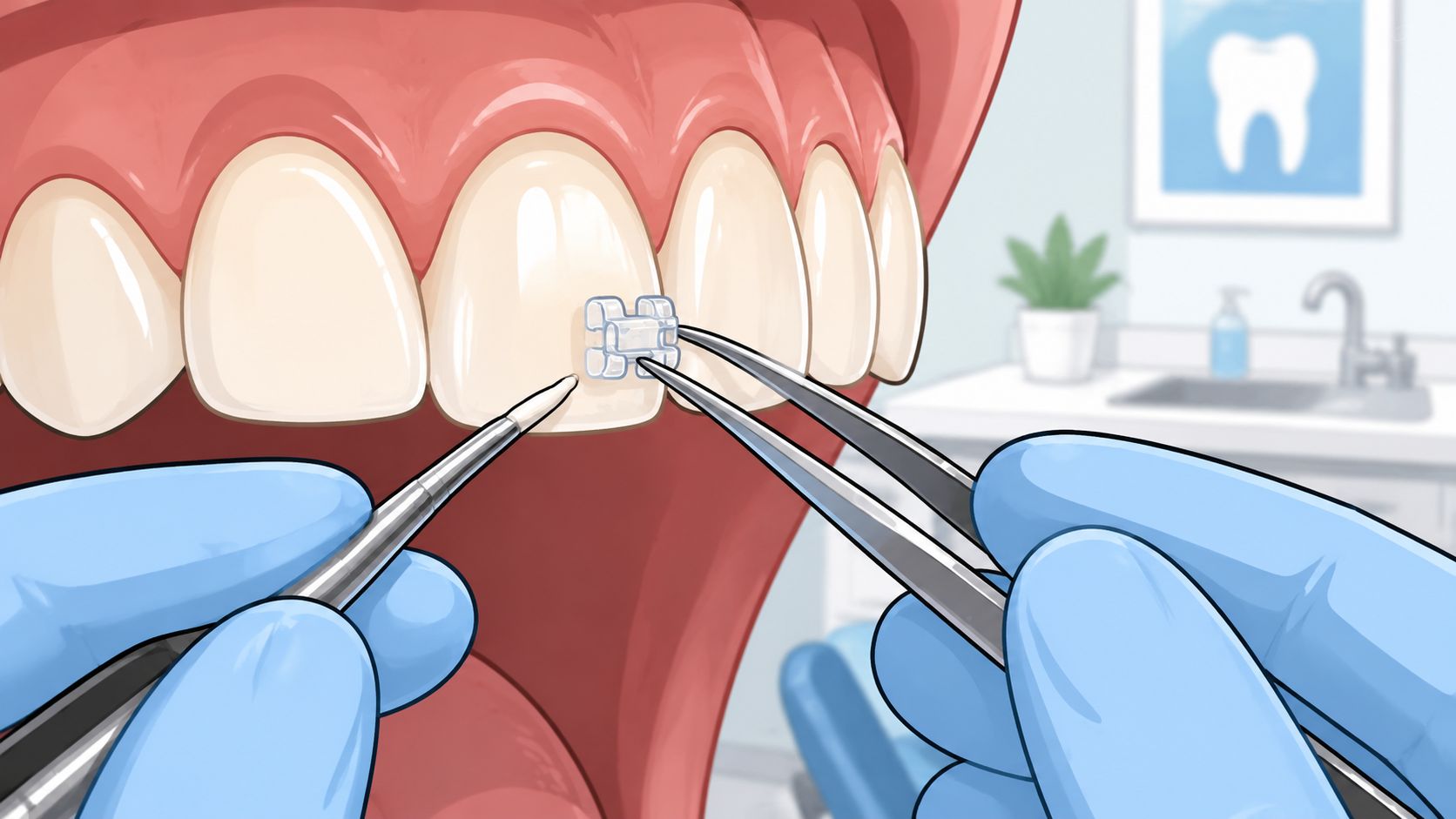
The appointment itself is usually calmer than people expect. According to this braces placement overview from Healthline, the day braces are placed is typically a 1–2 hour appointment, and the procedure itself is generally not described as painful. Patients often notice pressure or soreness afterward instead.
What you'll see during the visit
A simple way to picture the appointment is to think of it in stages.
Your teeth are prepared
The team gets the teeth ready so the brackets can bond properly. This part is careful and methodical, not intense.Brackets are placed
Each bracket is attached to the front of the tooth in a planned position. You'll spend more time holding still than feeling anything uncomfortable.The wire goes in
Once the brackets are on, the wire is placed to begin guiding tooth movement. This is when many patients start to understand why they may feel pressure later, even if they feel fine in the chair.
What it usually feels like
Most patients don't describe placement as painful. They usually say it feels strange, lengthy, and a little tiring, especially because keeping your mouth open for a while isn't anyone's favorite activity.
You may notice:
- A stretched feeling from holding your mouth open
- A bulky feeling because your lips and cheeks are meeting the brackets for the first time
- A light pressure once the wire is in place
- No immediate drama even if you expected a big moment
Practical rule: Don't judge the whole experience by how you feel in the chair. The more noticeable soreness often shows up after you leave.
Families sometimes expect to walk out and instantly know how hard the first day will be. Usually, that isn't how it works. The body needs a little time to react. That's why an appointment can feel easy, but dinner may feel very different later the same day.
If you're coming to a Santa Ana orthodontic visit right after school or work, it can help to keep the rest of the day simple. A quiet evening and easy food choices make the transition smoother.
The First Few Hours Sensations and Side Effects
A lot of first day braces questions begin once you get home. At first, you may think, “This isn't bad at all.” Then the teeth gradually begin to feel tender, especially when biting together. That progression is normal.
One patient might describe it as pressure. Another might say their teeth feel bruised when chewing. Someone else may mostly notice the brackets rubbing their cheeks. These are different versions of the same adjustment process.
What changes after you leave the office
The early discomfort tends to build, then fade. Orthodontic guidance commonly tells patients that soreness generally peaks in the first 2–3 days and then improves, as noted in this patient guidance on the first month with braces.
That timing matters because it keeps people from overreacting to a rough first evening. If dinner feels awkward or the next morning feels more tender than expected, that usually fits the normal pattern.
Common first-day sensations include:
- Tender teeth when chewing
- A “tight” feeling around the bite
- Cheek or lip irritation where brackets rub
- Extra awareness of saliva and speech
- A feeling that your mouth is busy even when you're not eating
A simple timeline families can plan around
Here's a practical way to think about the first several days.
| Time period | What you may notice |
|---|---|
| Right after placement | Braces feel new and bulky. Talking may feel slightly different. |
| Later that day | Pressure or tenderness may start building. Eating becomes the bigger issue. |
| First couple of days | Chewing often feels most inconvenient. Soft tissues may get used to bracket contact. |
| Later in the week | Most people feel more confident with eating, brushing, and speaking. |
If your teeth feel more sensitive when you try to chew than when you're sitting still, that's a very common pattern.
This is also why families often prefer to start braces when they can keep the next day or two flexible. Not because it's typically necessary to stop normal life, but because it's easier when the first meals and bedtime routine aren't rushed.
A Practical Guide to Eating and Cleaning
Dinner on the first night often answers the question families really have. Can I eat enough to feel normal, get through tomorrow's school or work day, and avoid a miserable bedtime? In many cases, yes, if the food is soft enough that chewing does not keep stirring up sore teeth.
The easiest way to choose food is to focus on texture, not on finding a perfect “braces menu.” Newly bonded brackets and tender teeth handle soft foods much better than anything crunchy, sticky, or hard to bite through. The American Association of Orthodontists' braces care guidance recommends avoiding foods that can loosen brackets or put extra pressure on sensitive teeth.
A good rule is simple. If a food needs a strong first bite, save it for later in the week.
First Day Braces Food Guide
| Recommended Soft Foods | Foods to Avoid |
|---|---|
| Yogurt | Hard chips |
| Smoothies | Sticky candy |
| Soup | Chewy bagels |
| Mashed potatoes | Hard crust pizza |
| Soft pasta | Nuts |
| Scrambled eggs | Tough meats |
| Applesauce | Crunchy raw foods |
| Oatmeal | Foods you have to bite into firmly |
Planning ahead helps more than families expect, especially on a school or work night in Santa Ana when the next morning starts early.
Before an afternoon appointment
Eat a solid meal ahead of time. Later, your teeth may feel too tender for anything that takes real chewing.For the first evening meal
Keep dinner easy and filling. Soup, soft pasta, eggs, yogurt, oatmeal, and mashed foods usually go much better than takeout with crusts, chips, or chewy bread.For school or work the next day
Pack a low-effort lunch. Soft leftovers, pasta, yogurt, or a cut-up soft sandwich are often easier to manage than foods you have to tear with your front teeth.
That first day is often less about hunger and more about convenience. A simple meal can make bedtime easier and lower the odds that a child goes to school or a parent goes to work already tired from a frustrating night.
How to brush and floss without feeling overwhelmed
The first cleaning session can feel clumsy. That is normal.
Braces create more little shelves and corners where food can hide, so brushing needs better angles, not more force. The Centers for Disease Control and Prevention's oral health guidance supports daily plaque removal and fluoride toothpaste to help protect teeth and gums.
On night one, slow is better than fast. Brushing with braces works a lot like cleaning around the legs of a chair instead of wiping a flat table. You have to go around each bracket and along the gumline, because the wire and brackets block the straight path your brush used to take.
Try this approach:
- Angle the toothbrush toward the gumline, then angle it again to clean above and below each bracket
- Use a soft-bristled brush so tender teeth and cheeks are not getting scrubbed too hard
- Brush in small sections instead of rushing the whole mouth at once
- Use floss threaders or orthodontic flossers if regular floss feels awkward under the wire
- Check the mirror afterward for food around bracket edges and near the back teeth
Expect the first brushing and flossing routine to take longer than usual. That extra time is temporary. Within a few days, many patients can get cleaned up, settle down, and get to sleep without the whole routine feeling like a project.
Managing Discomfort and Daily Life
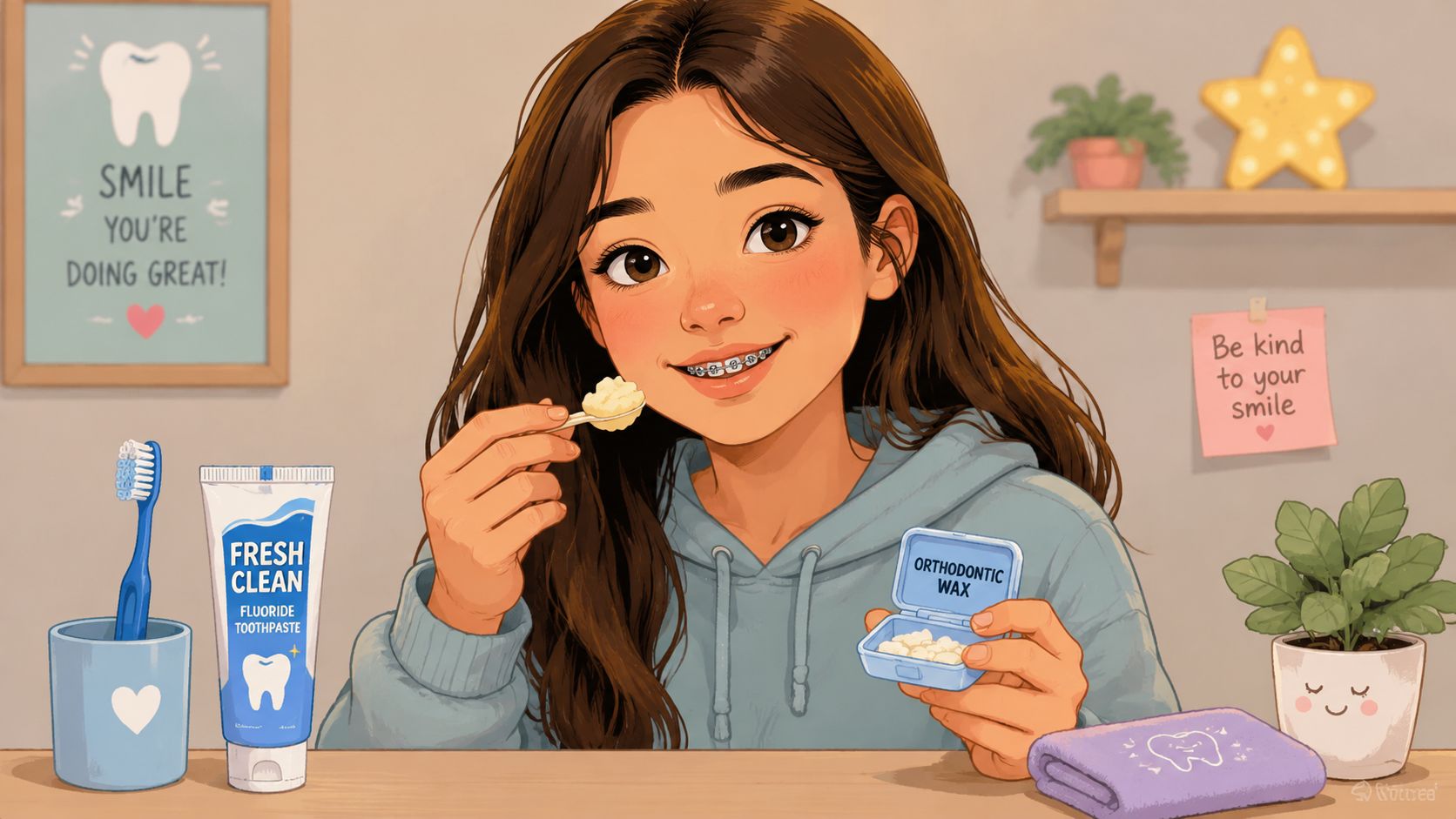
Most first day braces articles talk about pain and food. Families often want a different answer. They want to know whether anyone can sleep well, focus in class, sit through work meetings, or feel up for normal routines.
That concern is valid. This discussion of whether braces hurt points out that sleep and school or work disruption is a major underserved angle, because many articles don't really answer how much the first 24–72 hours affect everyday life.
How to make the first days easier
Discomfort usually responds best to simple, low-friction habits.
- Use orthodontic wax when a bracket rubs a cheek or lip
- Rinse with salt water if soft tissues feel irritated
- Keep meals easy so chewing doesn't turn mild soreness into a bigger problem
- Ask before taking medicine if you have health conditions, take other medications, or you're planning for a child who may need guidance from their physician
If you feel rubbing in one small spot, wax is often more helpful than trying to ignore it. If the mouth feels generally irritated, rinsing can be soothing. If the teeth feel sore, changing food texture is often the fastest way to feel better.
School work sleep and normal routines
Many individuals can still go to school or work. The question usually isn't whether they can go. It's whether they'll feel distracted, tired, or slower than usual for a short period.
Here's the actual version:
School
A student can usually attend. Lunch may be the hardest part if they packed crunchy food. Talking in class may feel slightly odd at first, but most students adapt quickly.Work
Adults can usually return to work, especially if the job doesn't involve nonstop speaking. If you talk all day, your mouth may feel more tired and dry at first.Sleep
The first night can be annoying more than alarming. Some people notice tenderness when they shift their bite or when cheek irritation gets their attention at bedtime.Sports and activities
Normal routines often continue, though people usually appreciate a quieter schedule for the first evening or two.
A good planning question isn't “Will braces stop life?” It's “Would a lighter schedule make the first couple of days easier?”
That's why some Orange County families prefer appointments before a weekend, before lighter school days, or away from a major exam or work presentation. The goal isn't to avoid braces. It's to avoid stacking a normal adjustment period on top of an already stressful day.
Your Next Steps and When to Call Us
The first day with braces usually feels biggest before it happens. Once you know what to expect, it becomes much more manageable. Most early discomfort is part of your body adjusting to tooth movement, not a sign that anything is going wrong.
Clinical guidance notes that in the first 24–72 hours after bonding and wire placement, much of the first day braces experience is driven by inflammatory periodontal ligament compression, which is why soft foods, salt-water rinses, and orthodontic wax are standard early care tools, as described in this first-week metal braces overview.
What's normal and what deserves a call
These are commonly expected:
- General soreness
- Tenderness when chewing
- Mild rubbing on cheeks or lips
- A feeling that your bite or speech is a little different at first
These are good reasons to contact your dental team:
- A wire that's poking and you can't manage it comfortably
- A bracket that feels loose or comes off
- Irritation that keeps getting worse instead of settling
- Questions about whether something looks or feels off
Every mouth is a little different. If you're unsure what's normal for your child or for yourself, it's always reasonable to ask. Dr. Finley should review this article before publication, and your own care plan should always come from your treating dental professional.
If you're thinking about braces or want to compare them with options like Invisalign, Bristol Dental and Orthodontics serves patients in Santa Ana and nearby Orange County communities with family-focused dental and orthodontic care. If you'd like guidance on what first day braces may look like for your situation, schedule a consultation with Dr. Andrew Finley and the team.