
Getting your braces off is a big moment. You finally see the straight smile you worked for, then you catch something you weren't expecting. Your teeth may look a little yellow, patchy, or not as bright as you imagined.
That reaction is common. Straight teeth and bright teeth aren't always the same thing, especially right after orthodontic treatment. Some people have simple surface staining. Others have areas that need a closer look before any whitening product touches the enamel.
At Bristol Dental & Orthodontics in Santa Ana, Dr. Finley sees this question often from patients across Orange County, including Costa Mesa, Tustin, Irvine, and Garden Grove. If you're thinking about teeth whitening after braces, the safest approach is simple. Find out why the color looks uneven first, then choose the right treatment.
Table of Contents
- Your New Smile Is Here So Why Isn't It Brighter
- The Best Time to Whiten Your Teeth After Braces
- First Step A Professional Enamel Health Check
- Comparing Your Post-Braces Whitening Options
- How to Maintain Your Bright New Smile
- Frequently Asked Questions About Post-Braces Whitening
Your New Smile Is Here So Why Isn't It Brighter
The day braces come off usually feels like a finish line. You run your tongue over smooth teeth, smile in the mirror, and notice the alignment looks great. Then your eyes go straight to the color.

Maybe the teeth look duller than expected. Maybe there are lighter areas where brackets used to sit nearby, or darker areas where food and plaque collected around them. That can feel frustrating after months or years of treatment, but it usually doesn't mean anything went wrong.
Why this happens
Braces create extra edges and tight spaces that make brushing and flossing harder. Even patients who try hard can end up with stain buildup or uneven color when the brackets are removed. Once everything is off, those differences are easier to see because the whole enamel surface is visible again.
Sometimes the issue is only cosmetic staining. Sometimes it's not.
You don't need to panic if your teeth aren't instantly bright after braces. You do need to slow down long enough to figure out what you're actually seeing.
What patients usually want next
A common aspiration is a straight smile that appears clean, even, and natural. Teeth whitening after braces can absolutely be part of that final step, but the right timing and method matter.
A rushed whitening treatment can lead to disappointment if the problem isn't stain. That's why the smartest next move isn't buying strips on the way home. It's getting a professional opinion on whether whitening makes sense now, later, or alongside another cosmetic plan.
The Best Time to Whiten Your Teeth After Braces
The short answer is that right away usually isn't the best time.
A peer-reviewed survey found that over 90% of orthodontists do not recommend whitening during orthodontic treatment, and about 50% advise waiting at least one month after braces are removed according to this survey of orthodontists on whitening timing and recommendations. That tells you something important. A healing period isn't a marketing idea. It's standard clinical caution.
Why waiting helps
Your mouth has just been through a change. After brackets come off, the gums may still be a little irritated and the teeth may feel more sensitive than usual. Enamel also needs time to rehydrate and settle into its more stable appearance.
If you whiten too early, a few things can happen:
- Sensitivity can feel worse because peroxide-based whitening products can irritate already reactive teeth.
- Gums may get more irritated if soft tissue is still recovering from debonding and cleanup.
- The shade can be misleading because recently exposed enamel doesn't always show its long-term color immediately.
A realistic timing range
There isn't one universal date for everyone. Some patients are ready sooner. Others need longer because of tenderness, gum inflammation, or enamel concerns. Dr. Finley generally looks at comfort, tissue healing, and how even the enamel appears before recommending the next step.
Practical rule: If your teeth still feel touchy, your gums look inflamed, or the color looks blotchy, it's better to pause than to push.
What not to do
The biggest mistake is treating whitening like a same-day cosmetic add-on. Another common mistake is using strong over-the-counter products on recently debonded teeth without knowing whether the discoloration is stain or something else.
That's especially true if your teeth look uneven in a way that doesn't resemble normal yellowing. Bright white spots, matte-looking patches, or areas near where brackets sat deserve a closer look before any whitening plan starts.
What to do instead
Use the first post-braces period as a reset. Keep brushing and flossing well, wear your retainer as instructed, and have your teeth checked before choosing a whitening method. If you're in Santa Ana or nearby Orange County communities, a consultation can help determine whether your smile is ready now or would benefit from a little more healing time first.
First Step A Professional Enamel Health Check
The most important question after braces isn't, “Which whitening product works fastest?” It's, “What is causing the color change?”
That difference is more significant than commonly understood. Some discoloration is surface stain from coffee, tea, or plaque buildup around brackets. Other discoloration comes from enamel changes, including demineralized areas that can show up as white spots or patchy sections after orthodontic treatment.
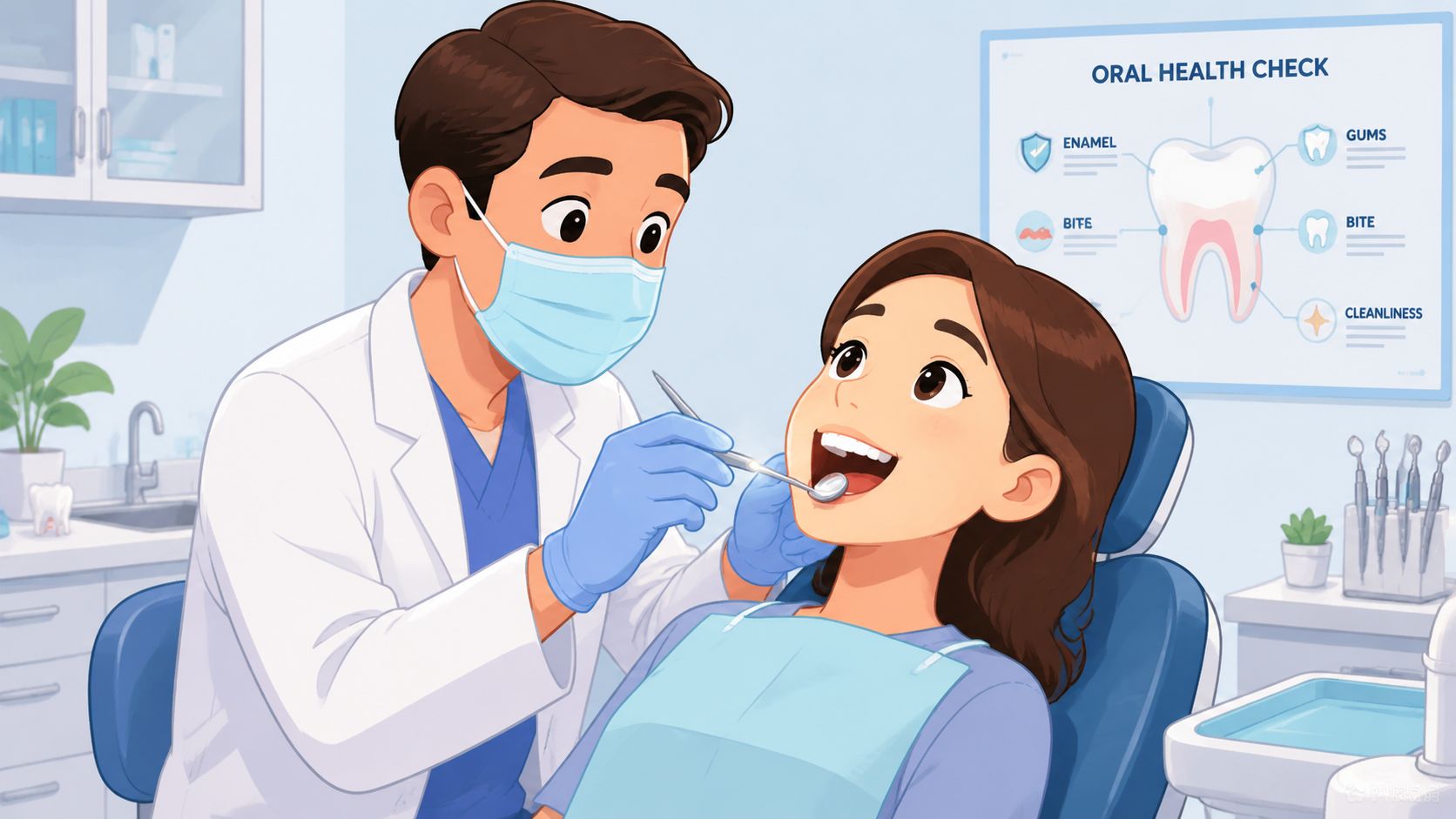
A key concern in post-braces cases is that bleaching can make the surrounding enamel lighter while leaving demineralized white-spot lesions unchanged, which can increase their contrast and visibility as explained in this post-braces guide discussing stain versus enamel demineralization.
Stain and enamel changes don't behave the same way
Surface stain may respond well to polishing and whitening. Demineralization does not act like a coffee stain. It reflects light differently because the enamel itself has changed.
That's why two patients can both say, “My teeth look uneven after braces,” while needing very different care. One may be a good whitening candidate. The other may need a plan that starts with enamel evaluation and cosmetic options beyond bleaching alone.
What Dr. Finley looks for
A post-orthodontic check usually focuses on a few practical questions:
- Are the darker areas external stain that may respond to whitening?
- Are the chalky or white areas signs of enamel demineralization that need a different approach?
- Is there lingering sensitivity or gum irritation that makes whitening a poor first move?
- Would cleaning, polishing, or monitoring improve the appearance before bleaching is considered?
Whitening is a tool, not a diagnosis.
Why this step saves patients frustration
Many people assume anything yellow or uneven should be bleached. That's understandable, but it can lead to results that feel disappointing. If the main concern is white spots, whitening alone may not create the smooth, uniform look you were hoping for.
A professional evaluation helps set realistic expectations. It also opens the door to a more customized cosmetic plan, which may include whitening, enamel-focused treatment, or a combination of steps depending on what your teeth need.
Comparing Your Post-Braces Whitening Options
Once your enamel and gums have been checked and whitening is a good fit, the next question is which method makes sense. The answer depends on your timeline, your sensitivity level, and how even you want the final color to look.
In-office whitening
This is the fastest professional route and often the easiest to control in a post-braces case. One dental source notes that some in-office treatments can make teeth appear up to 10 shades lighter in the right situation, with the advantage that the dentist can fully access the enamel and protect soft tissues during treatment, as described in this overview of professional teeth whitening after braces.
For recently debonded teeth, that control matters. The soft tissues can be shielded, visible enamel can be assessed in real time, and the shade can be monitored more carefully than with one-size-fits-all products.
Best fit:
- Patients who want a faster result
- Patients who need closer supervision because of sensitivity history
- Patients concerned about evenness after bracket removal
Trade-off:
- It's not automatically the right first step if the enamel still needs more healing or if white spots are the main issue
Dentist-supervised take-home whitening
This option moves more slowly, which some patients prefer. It can work well when a patient wants a gradual change and a little more flexibility with timing. Supervised systems also make it easier to adjust the plan if sensitivity shows up.
At Bristol Dental & Orthodontics, this kind of cosmetic discussion can be part of a broader smile plan, especially for patients also exploring cosmetic dentistry in Santa Ana. The main advantage is customization. The main drawback is patience.
Over-the-counter products
These are easy to find, but they're also the least suited for a post-braces smile. Generic strips and trays may not fit evenly, and that matters when your teeth have recently been exposed after orthodontic treatment.
They may still help with mild surface staining for some people, but they're also the option most likely to be used too soon or without a proper diagnosis. If your color is patchy, your teeth are sensitive, or your gums are still tender, this is usually not where to start.
Teeth Whitening Options After Braces
| Method | Typical Timeline | Best For | Key Consideration |
|---|---|---|---|
| In-office professional whitening | Single appointment | Faster improvement with close supervision | Best after healing and enamel evaluation |
| Dentist-supervised take-home system | Gradual use over time | Patients who want a more controlled pace | Comfort and consistency matter |
| Over-the-counter strips or trays | Variable, usually slower | Mild surface stain only | Fit and timing can be a problem after braces |
The best whitening method is the one that matches the condition of your enamel, not the one with the loudest packaging.
How to Maintain Your Bright New Smile
Whitening is only part of the story. The habits you follow afterward make a real difference in how long your smile keeps its brighter look.
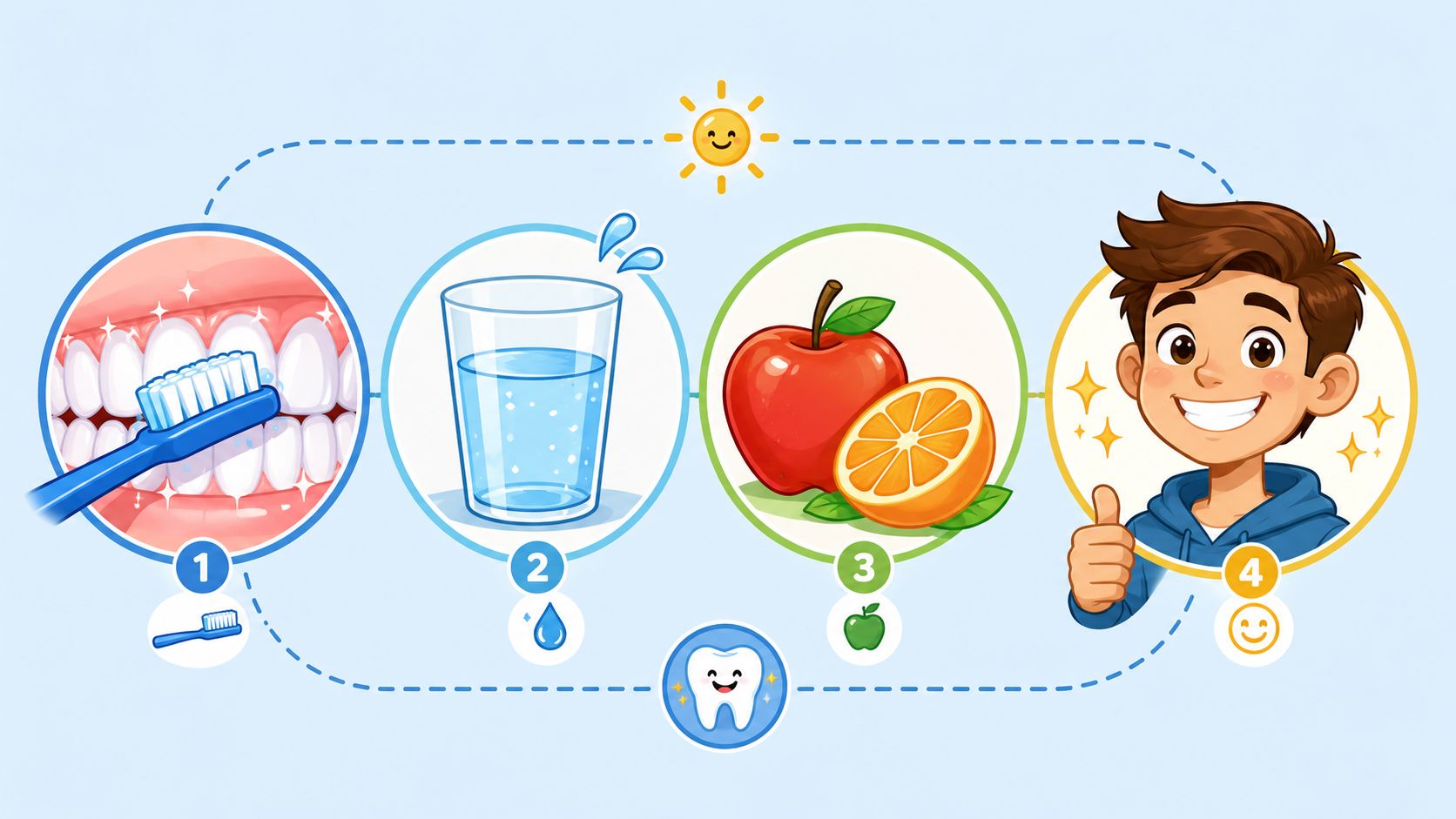
Daily habits that help
A clean tooth surface picks up less stain than one covered in plaque. That means the basics matter more than people think.
- Brush gently but thoroughly to remove plaque before pigments have a chance to sit on the enamel.
- Floss every day because stain and buildup often collect between teeth where brushes miss.
- Drink water after dark beverages to rinse away residue from coffee, tea, or similar drinks.
- Keep retainer trays clean so you're not putting plaque and bacteria back onto freshly cleaned teeth.
Food and drink choices
You don't need a joyless diet to protect a whiter smile. You do need awareness. Drinks and foods with strong pigments can gradually dull the shade over time, especially if oral hygiene slips.
A practical approach works better than strict rules. If you enjoy coffee or tea, follow it with water and don't let it sit on your teeth for hours. If you snack frequently, make sure you're not giving stains and plaque a constant chance to build.
Professional maintenance matters
Regular cleanings help remove surface buildup that can make teeth look darker again. They also give your dentist a chance to monitor any enamel changes that were present after braces, which is useful if you're considering future cosmetic treatment or even restorative care later on.
If your smile goals extend beyond whitening, routine dental visits help keep those options open and your teeth healthy enough for them.
Frequently Asked Questions About Post-Braces Whitening
Can I whiten if my teeth still feel sensitive after braces?
It's better to hold off until your teeth and gums have settled. Dentists often recommend waiting about 2 to 4 weeks after debonding to allow gums and enamel to recover and to reduce the chance of extra sensitivity, as noted in this guidance on waiting after braces removal before whitening.
What if I have a permanent retainer?
You can still ask about whitening, but the retainer changes the plan. Bonded retainers can affect access to certain surfaces, so your dentist needs to check whether the color can be improved evenly and safely around those areas.
Is whitening different after Invisalign than after traditional braces?
It can be. Without brackets attached to the front of the teeth, there's less concern about blocked enamel surfaces during treatment. Even so, it's still smart to have your teeth examined first if the color looks uneven or if sensitivity is present.
Will whitening fix white spots?
Not always. White spots may reflect enamel demineralization rather than stain, and they may respond differently than the surrounding tooth. That's one of the biggest reasons a professional assessment comes before product choice.
Should I try strips first and see what happens?
If your teeth look evenly stained and feel comfortable, some people are tempted to start there. But if your smile looks patchy, recently debonded, or sensitive, trying products first can create more frustration than progress. Diagnosis first is the safer move.
If you've finished braces and want a clearer plan for teeth whitening after braces, Dr. Finley can help you sort out what's stain, what's enamel-related, and which next step makes sense for your smile.
If you're ready to talk through your options, schedule a consultation with Bristol Dental and Orthodontics. Dr. Finley reviews each case individually, and every article is reviewed by Dr. Finley before publishing.